
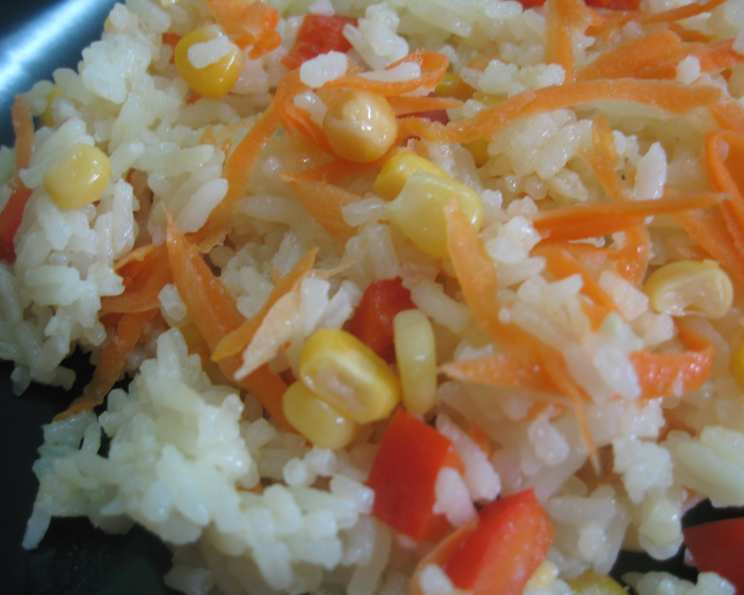
Tanzanian Vegetable Rice: A Taste of East Africa
The first time I tried Tanzanian vegetable rice, it was at a small, bustling restaurant in Arusha. The aroma of spices hung heavy in the air, mingling with the rhythmic sounds of Swahili chatter and clanking cutlery. Served alongside grilled tilapia and a fiery kachumbari relish, the rice was a revelation. Each grain was perfectly separate, infused with the subtle sweetness of corn, the vibrancy of bell peppers, and the earthy notes of carrot. It was a dish that spoke of sunshine and fertile land, a celebration of simple ingredients transformed into something truly special. This recipe aims to capture that memory, bringing the warmth and flavour of Tanzania to your table.
Recipe Overview
- Prep Time: 15 minutes
- Cook Time: 35 minutes
- Total Time: 50 minutes
- Servings: 4
- Dietary Type: Vegan
Ingredients
- 1 1⁄2 cups basmati rice
- 3 tablespoons vegetable oil
- 1 onion, chopped
- 2 garlic cloves, crushed
- 3 cups vegetable stock or 3 cups water
- 4 ounces sweet corn (2/3 cup)
- 1⁄2 red bell pepper or 1/2 green bell pepper, chopped
- 1 large carrot, grated
Equipment Needed
- Large saucepan with a tight-fitting lid
- Sieve or colander
Instructions
-
Begin by thoroughly washing the basmati rice. Place it in a sieve or colander under cold running water. Gently rub the grains together to remove excess starch. This step is crucial for achieving fluffy, non-sticky rice. Continue washing until the water runs clear, then allow the rice to drain for about 15 minutes. This resting period helps the rice grains dry slightly, preventing them from clumping during cooking.
-
While the rice is draining, prepare your vegetables. Chop the onion into small, even pieces. Crush the garlic cloves using a garlic press or the flat side of a knife. Finely chop the red bell pepper (or green, if preferred) into small dice. Grate the carrot using a box grater or a food processor. Measure out the sweet corn.
-
Heat the vegetable oil in a large saucepan over medium heat. Once the oil is shimmering, add the chopped onion and sauté for a few minutes, stirring occasionally, until softened and translucent. Be careful not to brown the onion, as this will impart a bitter flavour to the rice.
-
Add the drained rice to the saucepan and stir-fry for about 10 minutes. This step is essential for toasting the rice grains, which enhances their flavour and helps them stay separate during cooking. Keep stirring constantly to prevent the rice from sticking to the bottom of the pan and burning. The rice should become slightly translucent and develop a subtle nutty aroma.
-
Add the crushed garlic to the pan and stir for another minute, allowing its fragrance to bloom. Be careful not to burn the garlic, as it can become bitter very quickly.
-
Pour in the vegetable stock (or water) and stir well to combine. Ensure that all the rice grains are submerged in the liquid. Bring the mixture to a boil over high heat.
-
Once the mixture is boiling, reduce the heat to low, cover the saucepan tightly with a lid, and cook for 20 minutes. It is crucial to maintain a low, steady heat throughout this cooking period to ensure the rice cooks evenly and doesn’t burn on the bottom. Resist the temptation to lift the lid during this time, as this will release steam and disrupt the cooking process.
-
After 20 minutes, remove the lid and scatter the sweet corn evenly over the rice. Then, spread the chopped bell pepper on top of the corn, followed by a sprinkling of grated carrot.
-
Cover the saucepan tightly again and steam over a very low heat for another 5 minutes, or until the rice is fully cooked and the vegetables are tender-crisp. The steaming process allows the vegetables to cook gently without becoming mushy.
-
Remove the saucepan from the heat and let it sit, covered, for a further 5 minutes. This resting period allows the steam to redistribute, resulting in perfectly cooked and fluffy rice.
-
Finally, remove the lid and gently fluff the rice with a fork, ensuring that the vegetables are evenly distributed throughout. Be careful not to over-mix, as this can make the rice sticky.
-
Serve immediately and enjoy!
Expert Tips & Tricks
- For enhanced flavour: Toast your rice in a dry pan before adding oil for a deeper, nuttier taste.
- Spice it up: Add a pinch of chili flakes or a finely chopped chili pepper along with the onions for a touch of heat.
- Herbs: Fresh herbs like cilantro or parsley can be added at the end for a burst of freshness.
- Make ahead: This rice dish can be made a day ahead and reheated. Just add a splash of water or stock when reheating to prevent it from drying out.
- Don’t have vegetable stock? Chicken stock can be used instead if you’re not vegetarian.
Serving & Storage Suggestions
Tanzanian vegetable rice is a versatile side dish that pairs well with a variety of mains. Serve it alongside grilled fish, chicken, or vegetarian curries. It also makes a delicious addition to salads or can be enjoyed as a light meal on its own.
Store any leftover rice in an airtight container in the refrigerator. It will keep for up to 3 days. To reheat, simply microwave or heat gently in a saucepan with a splash of water or stock. Be sure the rice is piping hot throughout before serving. Freezing is not recommended as the texture of the cooked rice can change upon thawing.
Nutritional Information
| Nutrient | Amount per Serving | % Daily Value |
|---|---|---|
| Calories | 396.5 kcal | N/A |
| Calories from Fat | 114 g | 29% |
| Total Fat | 12.7 g | 19% |
| Saturated Fat | 1.8 g | 9% |
| Cholesterol | 0 mg | 0% |
| Sodium | 23.5 mg | 0% |
| Total Carbohydrate | 64.7 g | 21% |
| Dietary Fiber | 4.5 g | 18% |
| Sugars | 4.2 g | 16% |
| Protein | 7.1 g | 14% |
Note: Nutritional information is an estimate and may vary based on specific ingredients and portion sizes.
Variations & Substitutions
- Coconut Rice: Substitute coconut milk for half of the vegetable stock for a richer, creamier flavour.
- Spiced Rice: Add a teaspoon of curry powder or garam masala along with the onions for a more aromatic dish.
- Vegetable Medley: Feel free to substitute or add other vegetables, such as peas, green beans, or zucchini.
- Brown Rice: For a healthier option, use brown basmati rice. Note that brown rice requires a longer cooking time, so adjust the cooking time accordingly.
FAQs (Frequently Asked Questions)
Q: Can I use regular long-grain rice instead of basmati?
A: While basmati rice is recommended for its fluffy texture and delicate flavour, you can use long-grain rice. However, the cooking time and water ratio may need to be adjusted, so check the package instructions for guidance.
Q: How do I prevent the rice from sticking to the bottom of the pan?
A: Ensure you wash the rice thoroughly to remove excess starch and use a heavy-bottomed saucepan. Stirring the rice frequently while toasting it also helps prevent sticking. Maintaining a low, steady heat during cooking is crucial.
Q: Can I add protein to this dish to make it a complete meal?
A: Absolutely! Cooked chickpeas, lentils, or tofu can be added along with the vegetables to boost the protein content.
Q: What is the best way to reheat leftover rice?
A: To reheat leftover rice, add a splash of water or stock to the rice before microwaving or heating it in a saucepan. This will help to prevent the rice from drying out. Ensure the rice is piping hot throughout before serving.
Q: Can I use frozen vegetables instead of fresh?
A: Yes, you can use frozen vegetables if fresh ones are not available. Add them directly to the saucepan without thawing, and adjust the cooking time as needed.
Final Thoughts
Tanzanian vegetable rice is more than just a side dish; it’s a vibrant celebration of flavour and culture. With its simple ingredients and straightforward preparation, this recipe is accessible to cooks of all skill levels. I encourage you to try this recipe, experiment with different variations, and share your feedback. Pair it with grilled chicken or fish and a fresh kachumbari relish for a truly authentic Tanzanian experience.