
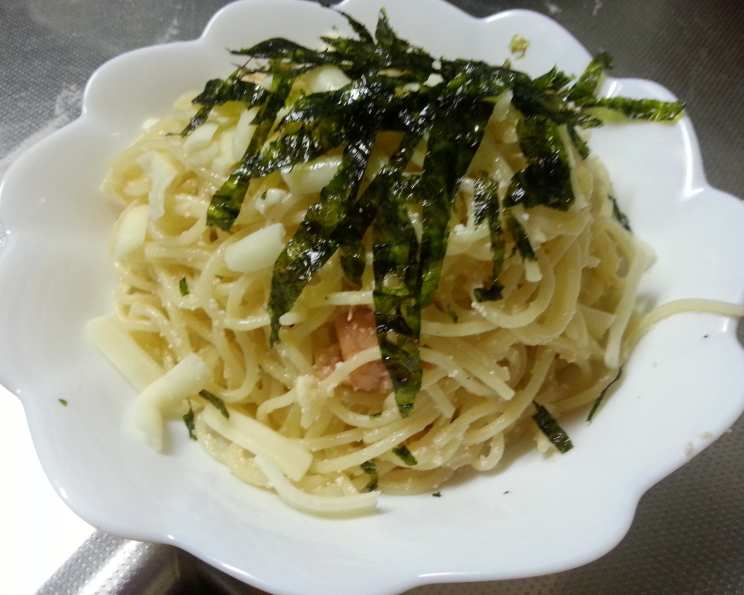
Tarako Spaghetti: A Taste of Tokyo in Your Kitchen
The first time I tasted Tarako Spaghetti, I was a wide-eyed culinary student backpacking through Tokyo. Hidden away in a tiny, bustling noodle shop, the dish arrived – a pale pink tangle of spaghetti, subtly gleaming with butter and flecked with nori. One bite, and I was hooked. The briny, almost creamy flavor of the salted cod roe, balanced perfectly with the richness of butter and cream, was unlike anything I’d ever experienced. It was simple, yet sophisticated, a comfort food elevated by its unique umami depth. That single plate sparked a lifelong love affair with Japanese cuisine and a determination to recreate that magic in my own kitchen.
Recipe Overview
- Prep Time: 5 minutes
- Cook Time: 10 minutes
- Total Time: 15 minutes
- Servings: 2
- Yield: 2 servings
- Dietary Type: Not specified
Ingredients
- 2 Tarako (salted cod roe), see note
- 6 ounces spaghettini noodles (or finer)
- 2 tablespoons butter
- ¼ cup heavy cream (or less)
- ¼ sheet nori, cut into tiny tiny strips
Note on Tarako:
- Tarako comes in sausage-looking pieces.
- You can choose either the spicy kind (karashi mentaiko) or just plain tarako.
- You can find tarako at the Japanese grocery store, often it is in the freezer.
Equipment Needed
- Large pot
- Skillet
- Tongs or pasta fork
- Knife
- Cutting board
Instructions
- First, prepare the tarako. Carefully cut open the casing on each piece of tarako and gently scrape or squeeze out the roe. Discard the casings. This step is crucial as the casings are not meant to be eaten and can have a tough texture.
- Next, start your water to boil for the spaghetti. Use a large pot and generously salt the water once it comes to a rolling boil. This will season the pasta from the inside out.
- While the water is heating, melt butter in a skillet over medium heat. Once the butter is melted and shimmering, reduce the heat to low.
- Add the roe to the skillet, stirring gently until the color of the roe changes to a pale orange. Be careful not to overcook the tarako, as it can become dry and rubbery. This should only take a minute or two.
- Stir in about half the heavy cream until well blended and heated through. At this point, assess the consistency. The goal is a pesto-like sauce that will coat the pasta without being too heavy. Add the rest of the heavy cream as necessary to achieve the desired consistency.
- Turn off the heat and keep the sauce just warm. The residual heat will help the flavors meld together.
- Cook the pasta according to package directions until al dente. Al dente means “to the tooth” in Italian, indicating that the pasta should be firm to the bite, not mushy. Overcooked pasta will become sticky and won’t absorb the sauce properly.
- Drain the pasta, reserving about ½ cup of the pasta water. The starchy pasta water can be used to adjust the sauce consistency if needed.
- Toss the drained pasta with the tarako sauce in the skillet. Ensure that the sauce coats every strand of spaghetti. If the sauce seems too thick, add a little of the reserved pasta water until it reaches the desired consistency.
- Sprinkle on the nori over the top just before serving. The nori adds a delightful umami and slightly salty note that complements the richness of the sauce. Serve immediately.
Expert Tips & Tricks
- Don’t Overcook the Pasta: This is the cardinal rule of pasta dishes. Overcooked pasta will clump together and won’t absorb the sauce properly. Aim for al dente!
- Control the Heat: Keeping the heat low when cooking the tarako is essential to prevent it from drying out.
- Adjust the Cream: The amount of heavy cream needed can vary depending on the tarako and your personal preference. Start with less and add more as needed until you achieve the desired consistency.
- Kewpie Mayo Secret: A spoonful of Kewpie mayonnaise stirred into the sauce before tossing with the pasta adds a subtle tang and creaminess that some find irresistible. While not traditional, it’s a worthy experiment for mayo lovers!
- Warm Plates: Serve the pasta on warm plates to keep it at the perfect temperature.
Serving & Storage Suggestions
Serve Tarako Spaghetti immediately after preparation for the best flavor and texture. Garnish with extra nori strips for added visual appeal and flavor. A side of simple green salad with a light vinaigrette would complement the richness of the pasta.
Leftovers can be stored in an airtight container in the refrigerator for up to 24 hours. However, the pasta tends to become sticky and the sauce may separate slightly upon reheating. To reheat, gently warm the pasta in a skillet over low heat, adding a splash of water or cream if needed to loosen the sauce. Reheating in the microwave is not recommended, as it can further dry out the pasta. This dish is best enjoyed fresh.
Nutritional Information
| Nutrient | Amount per Serving | % Daily Value |
|---|---|---|
| Calories | 533 kcal | N/A |
| Total Fat | 26g | 40% |
| Saturated Fat | 15g | 75% |
| Cholesterol | 143mg | 47% |
| Sodium | 131mg | 5% |
| Total Carbohydrate | 62g | 20% |
| Dietary Fiber | 3g | 11% |
| Sugars | 2g | N/A |
| Protein | 13g | 25% |
Note: Nutritional information is an estimate and can vary based on specific ingredients and portion sizes.
Variations & Substitutions
- Spicy Tarako (Karashi Mentaiko): For a fiery kick, use karashi mentaiko instead of plain tarako. This spicy version adds a layer of heat that elevates the dish.
- Garlic Infusion: Sauté a clove of minced garlic in the butter before adding the tarako for an extra layer of flavor.
- Lemon Zest: A pinch of lemon zest added to the sauce brightens the flavors and adds a refreshing citrus note.
- Different Pasta Shapes: While spaghettini is the traditional choice, other delicate pasta shapes like capellini or angel hair work well too.
- Vegan Option: While this recipe is not easily made vegan due to the fish roe, exploring vegan pesto recipes with seaweed flakes for a briny flavor could offer a similar experience.
- Add Shiso Leaves: Garnish with thinly sliced shiso leaves for a fresh, minty flavor that complements the richness of the dish.
FAQs (Frequently Asked Questions)
Q: What is tarako, and where can I find it?
A: Tarako is salted cod roe, a popular ingredient in Japanese cuisine. It can be found in the freezer or refrigerated section of most Japanese grocery stores.
Q: Can I use regular spaghetti instead of spaghettini?
A: Yes, but spaghettini or other thinner pasta shapes are preferred because they allow the delicate sauce to coat the noodles evenly.
Q: Can I make this dish ahead of time?
A: While the sauce can be made ahead of time and stored in the refrigerator for a day or two, it’s best to cook the pasta and combine the sauce just before serving for optimal texture and flavor.
Q: My tarako is frozen. How should I thaw it?
A: Thaw the tarako in the refrigerator overnight or for several hours. Avoid thawing it at room temperature, as this can compromise its quality.
Q: Can I add other ingredients to the sauce?
A: Absolutely! Some popular additions include a splash of sake, a squeeze of lemon juice, or a sprinkle of toasted sesame seeds.
Final Thoughts
Tarako Spaghetti is more than just a dish; it’s a culinary adventure, a passport to the vibrant flavors of Japan. Don’t be intimidated by the unfamiliar ingredient – tarako is surprisingly versatile and adds a unique depth to this simple pasta. Gather your ingredients, embrace the process, and prepare to be transported to a Tokyo noodle shop with every bite. I encourage you to try this recipe, experiment with variations, and share your creations with friends and family. Pair it with a chilled glass of sake or a crisp white wine for a truly unforgettable dining experience. Happy cooking!