
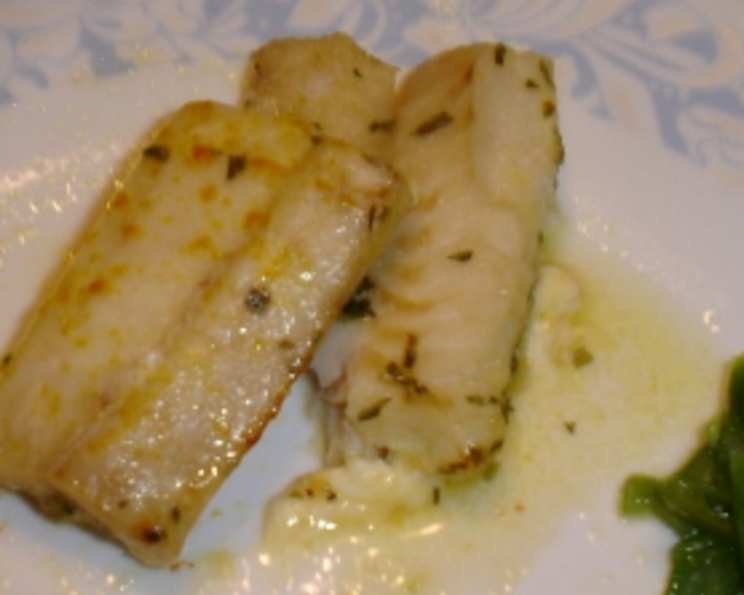
Tarragon Flounder: A Delicate Dance of Flavors
My earliest memories of seafood are punctuated by the bracing tang of the ocean and the comforting aroma of herbs mingling in the kitchen. Growing up near the coast, fresh catches were a staple, and my grandmother, a woman who could coax magic from the simplest ingredients, often prepared flounder. While she had many variations, I always remember a subtle anise-like perfume wafting from the oven, a testament to the presence of tarragon, which has since become one of my favorite pairings with delicate fish. Today, I share a recipe that captures that same nostalgic essence, bringing together the flaky tenderness of flounder with the bright, herbaceous notes of tarragon.
Recipe Overview
- Prep Time: 5 minutes
- Cook Time: 20-25 minutes
- Total Time: 25-30 minutes
- Servings: 4
- Dietary Type: Pescatarian, Gluten-Free
Ingredients
- 1 lb flounder fillets
- 1 cup chicken broth
- 4 tablespoons butter, melted
- 1 1/2 teaspoons mustard
- 1 teaspoon dried tarragon
Equipment Needed
- 13x9x2 inch baking pan
- Whisk
- Slotted spatula
Instructions
-
Preheat your oven to 350°F (175°C). Ensure that your oven rack is positioned in the center for even cooking.
-
Prepare your baking dish by lightly greasing a 13x9x2 inch pan. This will prevent the flounder fillets from sticking and ensure easy removal after baking.
-
Arrange the flounder fillets in the greased baking pan, ensuring they are spaced evenly. This allows for uniform cooking and prevents steaming.
-
In a small bowl, whisk together the remaining ingredients: chicken broth, melted butter, mustard, and dried tarragon. Ensure the tarragon is evenly dispersed throughout the mixture for a balanced flavor.
-
Pour the tarragon mixture evenly over the flounder fillets in the baking pan. Make sure each fillet is adequately coated with the sauce.
-
Bake, uncovered, at 350°F (175°C) for 20-25 minutes. Begin checking for doneness at 20 minutes. The cooking time may vary depending on the thickness of the flounder fillets.
-
Check for doneness by gently flaking the fish with a fork. The flounder is done when it easily separates into flakes and is no longer translucent.
-
Once the flounder is cooked through, carefully remove it from the oven.
-
Using a slotted spatula, gently transfer the flounder fillets to a serving plate. The slotted spatula will allow excess sauce to drain, preventing the fish from becoming soggy.
-
Serve immediately and enjoy the delicate flavors of tarragon and flounder.
Expert Tips & Tricks
- Fresh vs. Dried Tarragon: While this recipe calls for dried tarragon, fresh tarragon can be used for a more vibrant flavor. Use about 1 tablespoon of finely chopped fresh tarragon in place of the dried. Remember that fresh herbs often have a stronger flavor than dried, so adjust to your taste.
- Butter Alternatives: For a lighter dish, consider using olive oil instead of melted butter. This will provide a slightly different flavor profile but will still complement the tarragon.
- Doneness Test: To ensure the flounder is perfectly cooked, use an instant-read thermometer. The internal temperature should reach 145°F (63°C).
- Preventing Overcooking: Flounder is a delicate fish that can easily become overcooked. Keep a close eye on it during the last few minutes of baking to prevent it from drying out.
- Make-Ahead Tip: You can prepare the sauce ahead of time and store it in the refrigerator for up to 24 hours. When ready to cook, simply pour the sauce over the flounder fillets and bake as directed.
- Flavor Boost: For a richer, more complex flavor, add a splash of dry white wine to the sauce. The acidity of the wine will brighten the dish and enhance the tarragon’s aroma.
Serving & Storage Suggestions
Serve the Tarragon Flounder immediately after baking for the best flavor and texture. It pairs beautifully with steamed asparagus, rice pilaf, or a simple green salad. Garnish with a sprig of fresh tarragon and a lemon wedge for an elegant presentation.
Leftovers can be stored in an airtight container in the refrigerator for up to 2 days. Reheat gently in a preheated oven at 300°F (150°C) or in a microwave until heated through. Avoid overcooking when reheating to prevent the flounder from becoming dry.
Freezing is not recommended as it can alter the texture of the flounder. However, if you must freeze it, wrap the flounder tightly in plastic wrap and then in aluminum foil to prevent freezer burn. Thaw overnight in the refrigerator before reheating.
Nutritional Information
| Nutrient | Amount per Serving | % Daily Value |
|---|---|---|
| Calories | 194 kcal | 10% |
| Total Fat | 14 g | 22% |
| Saturated Fat | 8 g | 40% |
| Cholesterol | 82 mg | 27% |
| Sodium | 646 mg | 27% |
| Total Carbohydrate | 1 g | 0% |
| Dietary Fiber | 0 g | 0% |
| Sugars | 0 g | 0% |
| Protein | 16 g | 32% |
Note: Nutritional information is an estimate and may vary based on specific ingredients and portion sizes.
Variations & Substitutions
- Other Fish: While this recipe is specifically for flounder, you can substitute other delicate white fish fillets such as cod, sole, or tilapia. Adjust the cooking time accordingly, as different types of fish may cook at different rates.
- Dairy-Free: To make this recipe dairy-free, substitute the butter with a plant-based butter alternative. Ensure that the alternative melts and tastes similarly to regular butter.
- Herb Variations: While tarragon is the star of this dish, you can experiment with other herbs such as dill, parsley, or chives. Use them individually or in combination for a unique flavor profile.
- Spicy Kick: For a touch of heat, add a pinch of red pepper flakes to the tarragon sauce. This will add a subtle warmth that complements the delicate flavors of the flounder and tarragon.
- Lemon Infusion: Zest a lemon and add the zest and a squeeze of lemon juice to the sauce for a brighter, citrusy flavor.
FAQs (Frequently Asked Questions)
Q: Can I use frozen flounder fillets for this recipe?
A: Yes, you can use frozen flounder fillets. Be sure to thaw them completely before cooking and pat them dry with paper towels to remove any excess moisture.
Q: How do I know when the flounder is fully cooked?
A: The flounder is fully cooked when it flakes easily with a fork and is no longer translucent. The internal temperature should reach 145°F (63°C).
Q: Can I grill the flounder instead of baking it?
A: Yes, you can grill the flounder. Wrap the fillets in foil packets with the tarragon sauce and grill over medium heat for about 10-15 minutes, or until cooked through.
Q: Is it necessary to use chicken broth, or can I use vegetable broth instead?
A: You can absolutely substitute vegetable broth for chicken broth. The vegetable broth will provide a slightly different flavor, but it will still work well in the recipe.
Q: Can I add vegetables to the baking pan along with the flounder?
A: Yes, you can add vegetables such as asparagus, sliced zucchini, or cherry tomatoes to the baking pan alongside the flounder. Adjust the cooking time as needed to ensure the vegetables are tender and the flounder is cooked through.
Final Thoughts
This Tarragon Flounder recipe is a testament to the beauty of simplicity. With just a few ingredients and minimal effort, you can create a dish that is both elegant and flavorful. I encourage you to try this recipe and experience the delightful combination of flaky flounder and the bright, herbaceous notes of tarragon. Feel free to experiment with variations and substitutions to make it your own. And don’t hesitate to share your creations and feedback – I’d love to hear how it turns out! Consider serving this dish with a crisp glass of Sauvignon Blanc for a truly delightful culinary experience.