
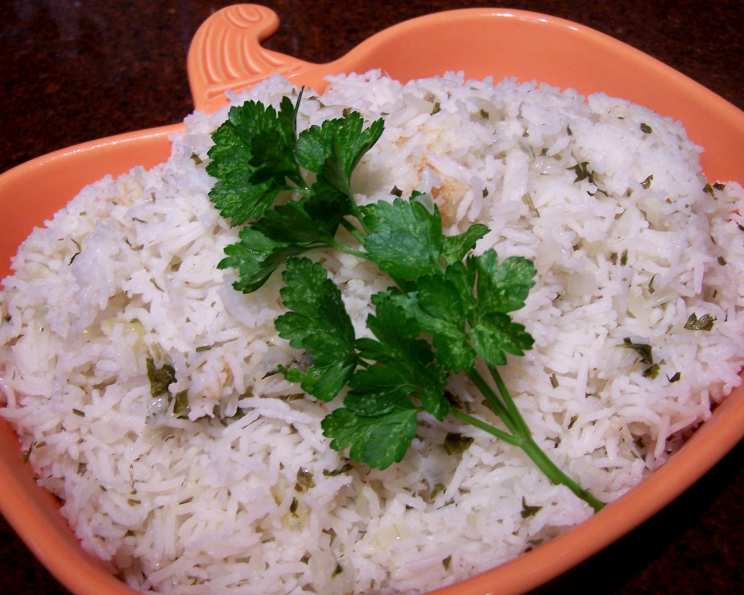
Tarragon Rice Pilaf: Aromatic Elegance on Your Plate
I still remember the first time I tasted tarragon rice pilaf. It was at a small bistro tucked away on a quiet Parisian street. The aroma alone – a delicate dance of herbs and butter – was enough to draw me in. Paired with roasted chicken, the pilaf was a revelation, its subtle anise notes perfectly complementing the savory bird. This dish, seemingly simple, unlocked a world of flavor combinations that I’ve been exploring ever since.
Recipe Overview
- Prep Time: 10 minutes
- Cook Time: 20 minutes
- Total Time: 30 minutes
- Servings: 4
- Yield: 4 cups
- Dietary Type: Gluten-Free
Ingredients
- 2 tablespoons butter
- 1 small onion, finely chopped
- 1 1/2 cups rice
- 1/2 teaspoon salt
- 1/2 teaspoon black pepper
- 3 cups chicken stock, warmed
- 1/4 cup parsley, chopped
- 2 tablespoons tarragon, chopped
Equipment Needed
- Medium saucepan with lid
- Measuring cups and spoons
- Fork
Instructions
-
In a medium saucepan, melt the butter over medium heat. Once melted, add the finely chopped onion. Cook the onion, stirring occasionally, until it turns golden brown, approximately 5-7 minutes. This step is crucial for developing a deep, savory base for the pilaf.
-
Stir in the rice into the saucepan with the cooked onion. Cook for 1-2 minutes, stirring constantly, ensuring each grain of rice is coated with the butter and fragrant onion. This process helps to toast the rice slightly, enhancing its nutty flavor.
-
Season the rice mixture with salt and black pepper. Ensure the seasoning is evenly distributed for consistent flavor throughout the dish.
-
Carefully pour in the warmed chicken stock. Stir to combine all ingredients. Bringing the stock to a simmer before adding it to the rice will help maintain an even cooking temperature.
-
Bring the mixture to a boil. Once boiling, immediately cover the saucepan with a tight-fitting lid and reduce the heat to low. Simmer gently for 15 minutes. It’s essential to keep the lid on during this time to trap the steam and cook the rice evenly. Resist the urge to lift the lid, as this will release steam and affect the cooking time.
-
After the 15 minutes of simmering, keep the rice covered and remove the saucepan from the heat. Let it sit, undisturbed, for 5 minutes. This allows the rice to absorb any remaining liquid and fully steam, resulting in a light and fluffy texture.
-
After the resting period, fluff the rice gently with a fork. This separates the grains and prevents them from sticking together.
-
Stir in the chopped parsley and tarragon. The fresh herbs will add a vibrant color and aroma to the pilaf.
-
Serve immediately and enjoy the delicate flavors of your Tarragon Rice Pilaf.
Expert Tips & Tricks
- Toast the Rice: Don’t skip the step of toasting the rice with the onion and butter. This adds a nutty depth of flavor to the final dish. Watch carefully to prevent burning.
- Warm the Stock: Using warmed chicken stock ensures the rice cooks evenly. Cold stock will lower the temperature of the pan and affect the cooking time.
- Don’t Peek! It’s tempting to lift the lid while the rice is simmering, but resist! The steam is essential for cooking the rice properly.
- Herb Power: Use fresh herbs for the best flavor. If you must substitute dried herbs, use about 1 teaspoon of dried tarragon and 1 tablespoon of dried parsley.
- Vegetarian Option: Substitute vegetable broth for the chicken stock to make this dish vegetarian-friendly.
- Rinse the Rice: For extra fluffy rice, rinse it under cold water before cooking. This removes excess starch that can cause the rice to become sticky.
Serving & Storage Suggestions
Tarragon Rice Pilaf is a versatile side dish that pairs well with a variety of proteins, including roasted chicken, grilled fish, or pan-seared pork chops. It’s also delicious as a base for vegetarian dishes, such as roasted vegetables or tofu stir-fries.
For an elegant presentation, serve the pilaf in a warmed bowl and garnish with a sprig of fresh tarragon.
Storage: Leftover pilaf can be stored in an airtight container in the refrigerator for up to 3 days.
Reheating: To reheat, add a tablespoon or two of water or broth to the pilaf and microwave on medium power until heated through. You can also reheat it in a saucepan over low heat, stirring occasionally.
Freezing: While freezing is not recommended as it can affect the texture of the rice, if you must, allow the pilaf to cool completely before transferring it to a freezer-safe container. Freeze for up to 1 month. Thaw overnight in the refrigerator before reheating.
Nutritional Information
| Nutrient | Amount per Serving | % Daily Value |
|---|---|---|
| Calories | 220 kcal | 11% |
| Total Fat | 7g | 11% |
| Saturated Fat | 4g | 20% |
| Cholesterol | 10mg | 3% |
| Sodium | 450mg | 19% |
| Total Carbohydrate | 35g | 12% |
| Dietary Fiber | 1g | 4% |
| Sugars | 1g | 2% |
| Protein | 5g | 10% |
Note: Nutritional information is an estimate and may vary based on specific ingredients and portion sizes.
Variations & Substitutions
- Lemon Tarragon Rice Pilaf: Add the zest of one lemon along with the parsley and tarragon for a bright, citrusy flavor.
- Mushroom Tarragon Rice Pilaf: Sauté sliced mushrooms with the onion for an earthy twist.
- Almond Tarragon Rice Pilaf: Toast slivered almonds and stir them into the pilaf just before serving for added texture and nutty flavor.
- Brown Rice Tarragon Pilaf: Substitute brown rice for white rice. Note that brown rice requires a longer cooking time; adjust the simmering time accordingly.
- Herb Variations: Experiment with other herbs such as chives, dill, or basil in addition to or instead of parsley.
FAQs (Frequently Asked Questions)
Q: Can I use a different type of rice?
A: Yes, you can use other types of rice like basmati or jasmine rice. The cooking time may need to be adjusted, so follow the package directions for the specific rice you choose.
Q: Can I make this dish ahead of time?
A: Yes, you can prepare the pilaf ahead of time and reheat it when ready to serve. Store it in an airtight container in the refrigerator for up to 3 days.
Q: What can I serve with Tarragon Rice Pilaf?
A: It’s a great accompaniment to roasted chicken, grilled fish, or vegetables. It also works well as a base for grain bowls.
Q: Can I use dried tarragon instead of fresh?
A: Fresh tarragon provides the best flavor, but you can substitute dried tarragon. Use about 1 teaspoon of dried tarragon for every 2 tablespoons of fresh tarragon.
Q: How do I prevent the rice from sticking to the bottom of the pan?
A: Ensure you use a good quality saucepan with a heavy bottom. Also, keep the heat on low and don’t lift the lid during simmering.
Final Thoughts
This Tarragon Rice Pilaf is more than just a side dish; it’s an invitation to explore the subtle complexities of flavor. The aromatic tarragon elevates humble rice into something truly special. I encourage you to try this recipe and discover the simple elegance it brings to your table. Feel free to experiment with the variations and make it your own. And don’t hesitate to share your feedback! This pilaf pairs wonderfully with a crisp, dry white wine like Sauvignon Blanc, making it a perfect choice for your next dinner party.