
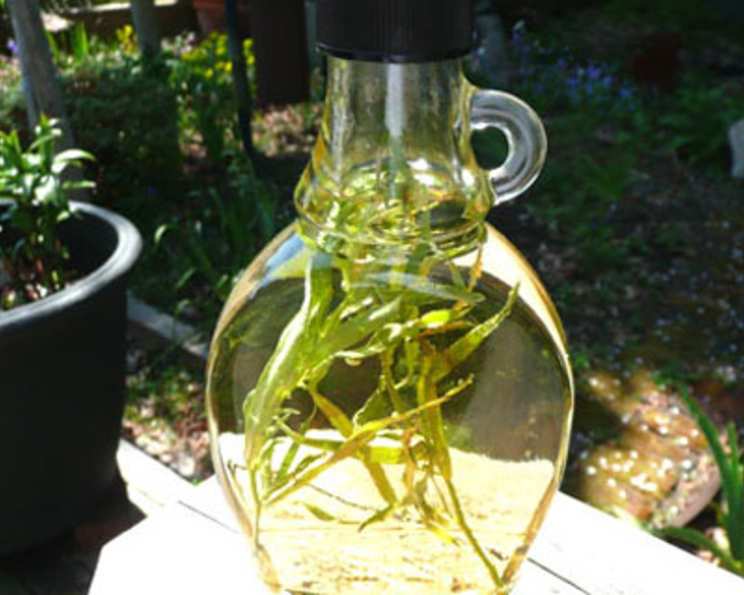
Infusing Elegance: Crafting Your Own Tarragon Vinegar
The first time I tasted tarragon vinegar, I was a fresh-faced culinary student, shadowing a renowned chef in Lyon. He drizzled it over a simple green salad, and the burst of anise-like freshness transformed the humble greens into something sublime. It was a revelation – a reminder that the simplest ingredients, when treated with care and infused with creativity, can deliver extraordinary flavors. From that moment, I was hooked on the art of homemade infusions, and tarragon vinegar has been a staple in my kitchen ever since, adding a touch of French elegance to everything from vinaigrettes to sauces.
Recipe Overview
- Prep Time: 5 minutes
- Infusion Time: 2 weeks
- Total Time: 2 weeks, 5 minutes
- Yields: 1/2 cup
- Dietary Type: Vegan, Gluten-Free, Dairy-Free
Ingredients
- 1/2 cup white wine vinegar
- 1 1/8 teaspoons dried tarragon leaves
Equipment Needed
- Clean glass jar
- Small saucepan
- Coffee filter
- 4-ounce glass bottle with a plastic lid
Instructions
-
Begin by placing the dried tarragon leaves in a clean glass jar. The jar should be thoroughly washed and dried to prevent any unwanted flavors or bacteria from affecting your vinegar.
-
Next, heat the white wine vinegar in a small saucepan over medium heat. You want to heat it until it’s just under a boil – small bubbles will form around the edges, but it shouldn’t be vigorously boiling. Heating the vinegar helps to extract the flavors from the tarragon more effectively.
-
Carefully pour the heated vinegar over the tarragon leaves in the jar. Ensure all the tarragon is submerged in the vinegar.
-
Allow the mixture to cool completely without covering the jar. This allows any initial volatile compounds to dissipate, resulting in a cleaner, brighter flavor.
-
Once cooled, if your jar cover is metal, place a piece of clear plastic wrap over the mouth of the jar before screwing on the cap. This protects the metal lid from corrosion caused by the acidity of the vinegar. A plastic lid eliminates this step.
-
Store the jar of tarragon vinegar in a dark, dry place for two weeks. This allows the tarragon to fully infuse the vinegar with its distinctive flavor. The darkness helps preserve the delicate flavors of the tarragon.
-
After two weeks, strain the tarragon vinegar through a coffee filter into a clean 4-ounce glass bottle that comes with a plastic lid. The coffee filter will remove any small particles of tarragon, resulting in a clear and beautiful vinegar.
-
Cap the bottle tightly and your homemade tarragon vinegar is now ready to use in your favorite recipes!
Expert Tips & Tricks
- Vinegar Choice Matters: While this recipe calls for white wine vinegar, you can experiment with other vinegars like champagne vinegar or rice vinegar for subtly different flavor profiles. Each vinegar will impart a unique nuance to the final product.
- Fresh vs. Dried Tarragon: For a more intense flavor, consider using fresh tarragon. Use about twice the amount of fresh tarragon as dried (approximately 2 1/4 teaspoons chopped fresh tarragon). Remember to wash and thoroughly dry fresh tarragon before using it.
- Flavor Boosters: Add a clove of crushed garlic or a few black peppercorns to the jar during the infusion process to create a more complex and layered flavor.
- Gentle Heating: Be careful not to overheat the vinegar. Boiling it can alter its flavor and reduce its acidity.
- Patience is Key: Don’t rush the infusion process. The two-week waiting period is crucial for allowing the tarragon to fully impart its flavor to the vinegar. Resist the temptation to use it early!
- Taste Test: After a week, give the vinegar a taste. If you find the tarragon flavor is strong enough for your liking, you can strain it earlier.
- Troubleshooting Cloudiness: If your vinegar appears cloudy after straining, it’s likely due to sediment. Simply re-strain it through a new coffee filter.
- Prevent Mold: Ensure all equipment used is scrupulously clean before beginning. This is essential to prevent mold growth during the infusion process.
Serving & Storage Suggestions
Tarragon vinegar is incredibly versatile. Use it to dress salads, especially those with delicate greens. It’s fantastic in marinades for chicken or fish, adding a subtle anise note. A splash of tarragon vinegar can brighten up sauces like béarnaise or hollandaise. It also elevates simple dishes like scrambled eggs or roasted vegetables.
Store your homemade tarragon vinegar in a cool, dark place for up to a year. The flavor may mellow slightly over time, but it will still be delicious. There is no need to refrigerate it. Always check for any signs of spoilage (unusual odors or discoloration) before using, though this is rare with proper storage.
Nutritional Information
| Nutrient | Amount per Serving | % Daily Value |
|---|---|---|
| Calories | 4 kcal | N/A |
| Total Fat | 0.1 g | 0% |
| Saturated Fat | 0 g | 0% |
| Cholesterol | 0 mg | 0% |
| Sodium | 0.8 mg | 0% |
| Total Carbohydrate | 0.7 g | 0% |
| Dietary Fiber | 0.1 g | 0% |
| Sugars | 0 g | 0% |
| Protein | 0.3 g | 0% |
Note: Nutritional information is an estimate and may vary based on specific ingredients and preparation methods.
Variations & Substitutions
- Herb Combinations: Experiment with other herbs alongside tarragon. Chives, parsley, or even a small sprig of rosemary can create interesting flavor combinations.
- Spicy Infusion: Add a dried chili pepper to the jar for a tarragon vinegar with a kick.
- Sweet Tarragon Vinegar: Infuse with a touch of honey or maple syrup for a sweeter profile, excellent for fruit salads or glazes.
- Berry Infusion: A few raspberries or blueberries can add subtle color and sweetness.
- Citrus Zest: Add lemon or orange zest to brighten the flavor profile of your vinegar.
- Garlic Tarragon Vinegar: Add a couple of peeled and lightly crushed garlic cloves.
- Shallot Tarragon Vinegar: Include sliced shallots for a delicate oniony note.
FAQs (Frequently Asked Questions)
Q: Can I use dried tarragon instead of fresh?
A: Yes, this recipe uses dried tarragon, which is more readily available and provides a concentrated flavor. However, using fresh tarragon will result in a more vibrant, nuanced taste.
Q: How long does tarragon vinegar last?
A: Properly stored tarragon vinegar can last for up to a year in a cool, dark place. Over time, the flavor may mellow slightly, but it will still be safe to use.
Q: Can I use this vinegar right away?
A: While you can use it immediately, the flavor will be much more subtle. Allowing the vinegar to infuse for two weeks is crucial for extracting the full flavor of the tarragon.
Q: What if my vinegar becomes cloudy?
A: Cloudiness is usually caused by sediment from the tarragon. Simply re-strain the vinegar through a clean coffee filter.
Q: Can I reuse the tarragon leaves after straining?
A: It’s not recommended to reuse the tarragon leaves, as they will have already released most of their flavor into the vinegar.
Final Thoughts
Crafting your own tarragon vinegar is a simple yet rewarding way to elevate your cooking. The vibrant, aromatic flavor it imparts will transform your everyday dishes into something special. Don’t be afraid to experiment with different herbs and flavor combinations to create your signature vinegar. Share your creations with friends and family, and enjoy the delightful complexity that homemade tarragon vinegar brings to your table. Perhaps pair it with a classic Niçoise salad or a delicate white fish, and savor the taste of culinary artistry you’ve created yourself. Happy infusing!