
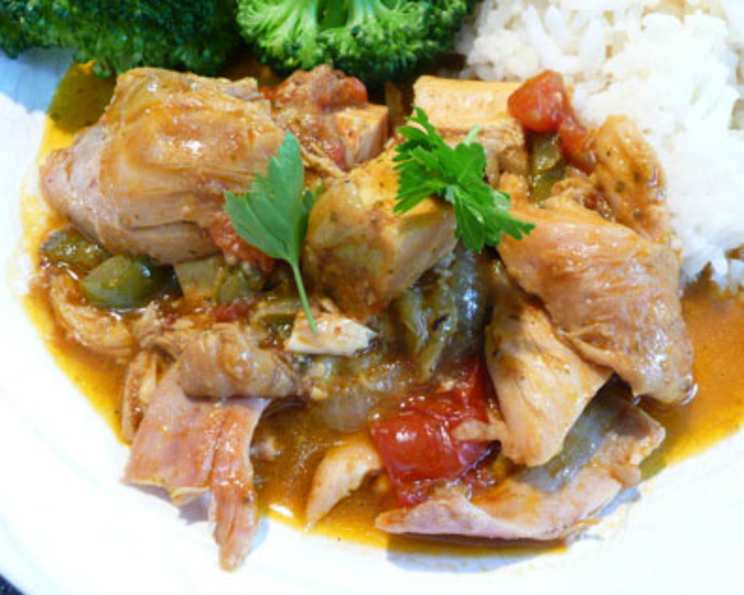
Tawa Chicken: A Symphony of Spices on a Hot Plate
The aroma of Tawa Chicken instantly transports me back to the bustling streets of Mumbai. The sizzle of spices hitting the hot tawa (griddle), the vibrant colors of the dish, and the sheer energy of the street food vendors created an unforgettable culinary experience. I remember watching, mesmerized, as the chefs expertly flipped and tossed the chicken, coaxing out layers of flavor with each motion. This recipe is my attempt to capture that magic – a taste of Mumbai right in your own kitchen.
Recipe Overview
- Prep Time: 20 minutes
- Cook Time: 40 minutes
- Total Time: 60 minutes
- Servings: 4-6
- Yield: About 6 cups
- Dietary Type: Can be made Gluten-Free
Ingredients
- 2 lbs boneless chicken thighs, cut into quarters
- 2 tablespoons vegetable oil
- 1 medium onion, cut into small dice
- 2 cloves
- 1 small cinnamon stick
- 2 cardamom pods
- 2 teaspoons dhana jeera powder (coriander and cumin powder)
- Salt to taste
- 2-4 fresh chili peppers, finely chopped (adjust to your spice preference)
- 5-6 garlic cloves, peeled and mashed
- 1 inch piece fresh ginger, peeled and coarsely grated
- 1⁄4 teaspoon cayenne pepper
- 1⁄4 teaspoon turmeric powder
- 2 tablespoons fresh lemon juice
- 1 teaspoon methi leaves (dried fenugreek leaves)
- 2 medium roma tomatoes, cut into cubes
- 1⁄2 teaspoon garam masala
- 2 tablespoons chopped cilantro
Equipment Needed
- Large, wide pan or skillet (preferably cast iron or a heavy-bottomed pan)
- Cutting board
- Knife
- Measuring spoons
- Mixing bowl
Instructions
-
Begin by preparing your ingredients. Cut the chicken thighs into bite-sized pieces. Dice the onion, chop the chili peppers, mash the garlic, and grate the ginger. Cube the roma tomatoes and chop the cilantro. Having everything ready before you start cooking ensures a smooth and efficient process.
-
In a large, wide pan or skillet, heat the vegetable oil over medium heat. A heavy-bottomed pan like cast iron is ideal for even heat distribution, but any large skillet will work.
-
Add the cloves, cinnamon stick, and cardamom pods to the hot oil. Sauté these whole spices until they become fragrant and start to sizzle. This will infuse the oil with their aromatic essence, which forms the foundation of the dish’s flavor.
-
Add the diced onions to the pan and sauté until they turn golden brown. This is a crucial step, as the caramelized onions add sweetness and depth to the curry. Be patient and allow them to develop a rich, brown color.
-
Stir in the dhana jeera powder, salt, chopped chili peppers, mashed garlic, grated ginger, cayenne pepper, turmeric powder, lemon juice, and methi leaves. Cook this spice mixture for about a minute, stirring constantly to prevent burning. The aroma should be intense and inviting.
-
Add the chicken pieces to the pan and stir well to coat them evenly with the spice mixture. Ensure each piece is thoroughly covered for maximum flavor absorption.
-
Cover the pan with a lid and reduce the heat to medium-low. Cook the chicken, turning the pieces occasionally, until all the juices released by the chicken have evaporated and the chicken is nicely browned. This process usually takes about 20-25 minutes. Watch closely and adjust the heat if needed to prevent burning. The goal is to have the chicken cooked through and coated in a rich, flavorful masala.
-
Once the chicken is browned and the juices have evaporated, add the cubed tomatoes to the pan. Cook for another 3-5 minutes, allowing the tomatoes to soften and release their juices, further enhancing the gravy.
-
Remove the pan from the heat. Sprinkle the garam masala and chopped cilantro over the chicken. Stir gently to combine. The garam masala adds a final layer of warmth and complexity to the dish, while the cilantro provides a fresh, vibrant finish.
Expert Tips & Tricks
- For an extra smoky flavor, you can briefly char the tomatoes over an open flame before adding them to the pan.
- If you don’t have methi leaves (dried fenugreek leaves), you can omit them, but they do add a distinctive flavor. You might find them at an Indian grocery store.
- To ensure even cooking, cut the chicken into uniform pieces.
- Don’t overcrowd the pan. If necessary, cook the chicken in batches to ensure it browns properly.
- Adjust the amount of chili peppers to your preferred level of spiciness.
- If you like a richer gravy, you can add a tablespoon of cream or yogurt at the end of cooking.
- For a restaurant style finish, give it a coal smoke at the end with a piece of burning coal placed in a steel bowl in the middle of the Tawa Chicken and drizzle a spoon of Ghee over the coal and cover it with the lid for 1-2 minutes. Remove the lid and coal before serving.
Serving & Storage Suggestions
Tawa Chicken is best served hot, garnished with extra cilantro and a squeeze of fresh lemon juice. It pairs perfectly with naan bread, roti, or rice. You can also serve it as a filling for wraps or tacos.
Leftover Tawa Chicken can be stored in an airtight container in the refrigerator for up to 3 days. To reheat, simply warm it in a pan over medium heat or in the microwave. If the gravy has thickened too much, add a splash of water or broth.
Tawa Chicken can also be frozen for longer storage. Thaw it overnight in the refrigerator before reheating.
Nutritional Information
| Nutrient | Amount per Serving | % Daily Value |
|---|---|---|
| Calories | 415 kcal | 21% |
| Total Fat | 29g | 45% |
| Saturated Fat | 7g | 35% |
| Cholesterol | 130mg | 43% |
| Sodium | 130mg | 5% |
| Total Carbohydrate | 6g | 2% |
| Dietary Fiber | 1g | 4% |
| Sugars | 3g | 10% |
| Protein | 29g | 58% |
Note: Nutritional information is an estimate and may vary based on specific ingredients and portion sizes.
Variations & Substitutions
- Vegetarian Option: Substitute the chicken with paneer (Indian cheese) or mixed vegetables like cauliflower, potatoes, and peas.
- Gluten-Free: Ensure that the garam masala you use is gluten-free, as some blends may contain wheat flour. Serve with gluten-free roti or rice.
- Spicier Version: Add more chili peppers or a pinch of red pepper flakes for extra heat.
- Creamier Version: Stir in a tablespoon or two of heavy cream or yogurt at the end of cooking for a richer, creamier sauce.
- Coconut Milk: You can use a little bit of coconut milk for a sweeter taste.
FAQs (Frequently Asked Questions)
Q: Can I use chicken breast instead of chicken thighs?
A: Yes, you can, but chicken thighs are generally more flavorful and stay moist during cooking. If using chicken breast, be careful not to overcook it.
Q: Can I make this ahead of time?
A: Absolutely! Tawa Chicken actually tastes even better the next day as the flavors have had time to meld. Store it in the refrigerator and reheat before serving.
Q: What if I don’t have dhana jeera powder?
A: You can make your own by mixing equal parts of ground coriander and ground cumin.
Q: How do I know when the chicken is cooked through?
A: The chicken is cooked when it is no longer pink inside and the juices run clear when pierced with a fork. Its internal temperature should reach 165°F (74°C).
Q: Can I use dried chili powder instead of fresh chili peppers?
A: Yes, you can substitute with dried chili powder, but fresh chili peppers offer a brighter flavor. Use about 1-2 teaspoons of chili powder, depending on your spice preference.
Final Thoughts
Tawa Chicken is more than just a dish; it’s an experience. The vibrant spices, the sizzling sound, and the rich flavors transport you to the heart of India. Don’t be intimidated by the list of ingredients – the process is surprisingly simple, and the results are truly rewarding. I encourage you to try this recipe and share your feedback. Serve it with a refreshing glass of lassi or a spicy masala chai for the ultimate Indian feast. Enjoy the journey of creating this flavorful masterpiece!