
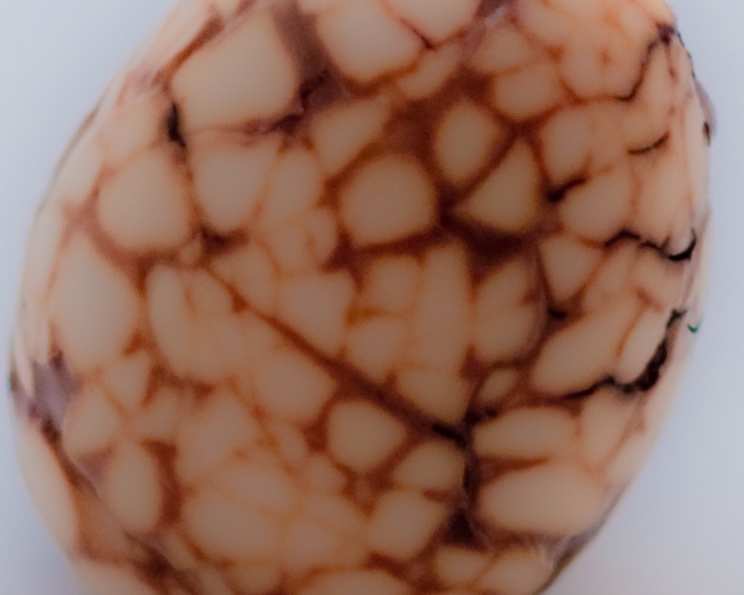
Tea Marbled Eggs: An Elegant Culinary Adventure
My grandmother, a woman of quiet grace and profound culinary wisdom, always had a jar of these exquisitely patterned eggs nestled in her refrigerator. As a child, I was captivated by their intricate designs, each one a miniature work of art. She would serve them with a knowing smile, explaining that the secret lay in patience and the gentle dance of tea and spices. More than just a snack, these eggs were a connection to my heritage, a delicious reminder of her love.
Recipe Overview:
- Prep Time: 10 minutes
- Cook Time: 1 hour – 2.5 hours
- Total Time: 1 hour 10 minutes – 2 hours 40 minutes
- Servings: 6
- Yield: 6 eggs
- Dietary Type: Varies (see notes in the Variations section)
Ingredients:
- 6 eggs (best if they can fit in one layer in the pot)
- 2 tablespoons black tea (any kind, or 5 regular sized tea bags)
- 2 cinnamon sticks
- 4 whole star anise
- 2 tablespoons tamari or 2 tablespoons soy sauce
- 1 teaspoon sugar
Equipment Needed:
- Saucepan
- Heavy spoon or similar blunt instrument
Instructions:
-
Carefully place the eggs in a saucepan. Cover them completely with cold water. Ensure the eggs aren’t overcrowded; a single layer is ideal for even cooking.
-
Bring the water to a boil over medium heat. Once boiling, reduce the heat slightly to maintain a gentle rolling boil. Hard boil the eggs for 10-12 minutes. This ensures the yolks are fully cooked and firm. Overcooking can lead to a green tinge around the yolk, so keep a close eye on the time.
-
Drain the eggs immediately and rinse them under cold running water to stop the cooking process. Allow them to cool enough to handle comfortably, which usually takes about 5-10 minutes.
-
This is where the magic begins. Using the back of a heavy spoon, gently tap the eggs all over, creating a network of fine cracks in the shells. The goal is to crack the shell without piercing the membrane underneath. Think of it as creating a mosaic, a web of fissures that will allow the tea and spices to seep through. Alternatively, you can gently roll the eggs on a hard surface to achieve the same effect.
-
Return the cracked eggs to the saucepan. Add the black tea, cinnamon sticks, star anise, tamari (or soy sauce), and sugar. Pour in enough water to completely cover the eggs. The water acts as the vehicle, carrying the flavors and colors into the intricate cracks of the eggshells.
-
Bring the liquid to a simmer over low heat. Simmer gently for at least one hour, but ideally up to 2-1/2 hours or even longer for a more intense flavor and pronounced marbling. The longer they simmer, the more intricate and beautiful the patterns will become. Check the water level periodically and add more if necessary to keep the eggs submerged.
-
Remove the saucepan from the heat and allow the eggs to cool completely in the tea mixture. This allows the flavors to fully penetrate the eggs. Once cooled to room temperature, drain the eggs.
-
For best results, refrigerate the eggs in their shells for at least a few hours, or preferably overnight. This allows the marbling to further develop and the flavors to meld.
-
Peel the eggs carefully just before serving. Cut in half to show off the marbling effect.
Expert Tips & Tricks:
- Egg Freshness: While older eggs are generally easier to peel after boiling, for best flavor, use the freshest eggs you can find.
- Cracking Technique: Practice makes perfect! Don’t worry if you accidentally break through the membrane on a few eggs. They’ll still taste delicious, though the marbling might be less defined.
- Spice Variations: Feel free to experiment with other spices like ginger, cloves, or Sichuan peppercorns to create unique flavor profiles.
- Color Enhancement: For a deeper, richer color, add a tablespoon of dark brown sugar or a splash of balsamic vinegar to the simmering liquid.
- Simmering Intensity: A gentle simmer is key. A rolling boil can cause the eggs to bump against each other and further damage the shells, resulting in less defined marbling.
- Refrigeration Time: The longer the eggs sit in the tea mixture after simmering, the more pronounced the marbling will be. Don’t be afraid to let them steep overnight for maximum effect.
Serving & Storage Suggestions:
These tea marbled eggs are beautiful and versatile. Serve them as a snack, a light lunch, or as part of a larger appetizer platter. They also make an elegant addition to salads or bento boxes. To showcase their intricate patterns, cut them in half lengthwise or arrange them yolk-side down.
Store the unpeeled eggs in an airtight container in the refrigerator for up to 5 days. Once peeled, they are best consumed within 2-3 days. While you can technically freeze hard-boiled eggs, the texture tends to become rubbery, so it’s not recommended.
Nutritional Information:
| Nutrient | Amount per Serving | % Daily Value |
|---|---|---|
| Calories | 80 kcal | 4% |
| Total Fat | 5g | 7% |
| Saturated Fat | 1.6g | 8% |
| Cholesterol | 212mg | 71% |
| Sodium | 405mg | 17% |
| Total Carbohydrate | 1.4g | 1% |
| Dietary Fiber | 0.1g | 0% |
| Sugars | 1.2g | 2% |
| Protein | 7g | 14% |
Note: Nutritional information is an estimate and may vary based on specific ingredients and preparation methods.
Variations & Substitutions:
- Soy-Free: Use coconut aminos instead of tamari or soy sauce. This will impart a slightly sweeter flavor.
- Spice It Up: Add a pinch of red pepper flakes or a few slices of fresh ginger to the simmering liquid for a touch of heat.
- Herbal Infusion: Experiment with different types of tea, such as green tea, oolong tea, or even herbal infusions like chamomile or lavender, for unique flavor profiles.
- Japanese Style: Substitute the cinnamon sticks and star anise with a small piece of dried kombu (kelp) and a splash of mirin for a more Japanese-inspired flavor.
- Vegan Variation: Unfortunately, there’s no good vegan alternative that delivers the same result.
FAQs (Frequently Asked Questions):
Q: Why do I need to crack the eggshells before simmering?
A: The cracks allow the tea and spice mixture to seep into the egg, creating the beautiful marbling effect. Without the cracks, the flavor and color would only penetrate the outer surface of the egg.
Q: Can I use any type of black tea for this recipe?
A: Yes, you can use any kind of black tea you prefer. Stronger black teas, like English Breakfast or Assam, will result in a more pronounced tea flavor.
Q: How long can I simmer the eggs for?
A: You can simmer the eggs for at least one hour, but simmering them for up to 2-1/2 hours or longer will result in a more intense flavor and more intricate marbling patterns.
Q: Can I refrigerate the eggs in the tea mixture?
A: Yes, refrigerating the eggs in the tea mixture is recommended for best results. This allows the flavors to further penetrate the eggs and the marbling to develop.
Q: Why are my hard-boiled eggs difficult to peel?
A: Fresh eggs can sometimes be harder to peel. Adding a teaspoon of baking soda to the boiling water can help make them easier to peel.
Final Thoughts:
These tea marbled eggs are more than just a recipe; they’re an experience. The process of gently cracking the shells, simmering them in fragrant tea and spices, and then unveiling the intricate patterns is both meditative and rewarding. I encourage you to try this recipe, experiment with different flavors and spices, and create your own unique version of this culinary gem. Share your creations with friends and family, and let them marvel at the beauty and deliciousness of these exquisite eggs. Don’t be afraid to experiment with different teas and spice combinations to find your perfect flavor profile. Bon appétit!