
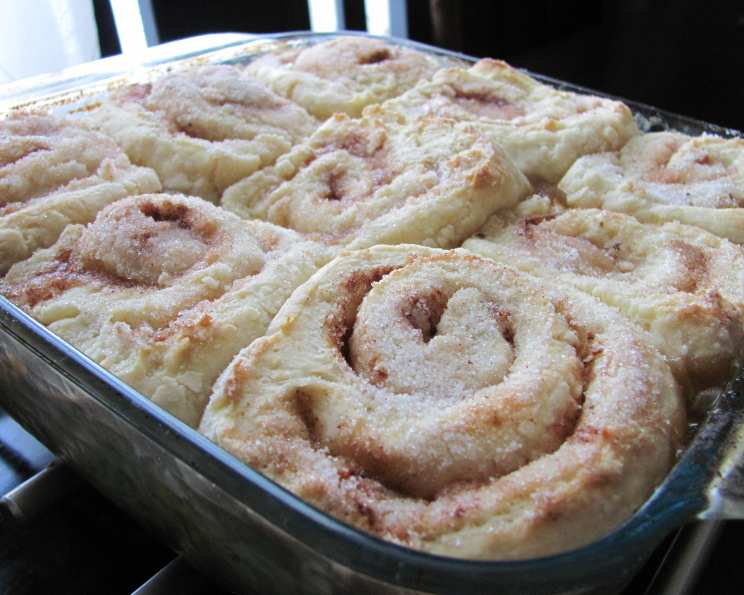
Tender Sour Cream Sweet Dough: The Secret to Effortless Baking
The aroma of baking bread always transports me back to my grandmother’s kitchen. I remember, as a child, being mesmerized by the transformation of a sticky, unassuming dough into golden, fragrant creations. One particular recipe, almost a whispered secret passed down through generations, used the magic of sour cream to create an incredibly tender and flavorful dough. That is the dough I am going to share with you today.
Recipe Overview
- Prep Time: 30 minutes
- Rise Time: 45-60 minutes
- Total Time: 1 hour 45 minutes (plus refrigeration if applicable)
- Yields: About 2 pounds
- Serves: 12
- Dietary Type: Not specified
Ingredients
- 4 tablespoons sugar, divided
- 1/4 cup warm water (110 F-115 F)
- 1 (2 1/4 teaspoon) envelope active dry yeast
- 3 cups all-purpose flour
- 1 teaspoon salt
- 3/4 cup butter, cut into 1/2-inch cubes, slightly firm
- 2 large eggs
- 1/2 cup sour cream
- 1 teaspoon vanilla extract
Equipment Needed
- Small bowl
- Electric mixer with paddle attachment
- Medium bowl
- Plastic wrap
Instructions
-
Begin by activating the yeast. In a small bowl, dissolve 1 tablespoon of sugar in the 1/4 cup of warm water. Ensure the water is between 110°F and 115°F for optimal yeast activity. Sprinkle the active dry yeast over the water. Do not stir. Cover the bowl and let it stand for 5 minutes.
-
After 5 minutes, gently stir the yeast mixture with a fork. Cover again and let it stand for an additional 2 to 3 minutes, or until the mixture becomes bubbly and foamy. This indicates that the yeast is active and ready to use.
-
In the bowl of an electric mixer fitted with the paddle attachment, combine the 3 cups of all-purpose flour, the remaining 3 tablespoons of sugar, and the salt. Mix on low speed to combine.
-
Add the slightly firm butter (cut into 1/2-inch cubes) to the flour mixture. Continue to mix on low speed until the mixture resembles meal-size crumbs. This should take approximately 2 to 4 minutes, depending on the temperature of the butter. The goal is to incorporate the butter into the flour without melting it.
-
In a separate bowl, whisk together the eggs, sour cream, and vanilla extract. This creates a cohesive and flavorful wet mixture.
-
Add the sour cream mixture to the flour mixture, along with the dissolved yeast. Mix on low speed until a rough dough forms. The dough will be soft and sticky at this stage.
-
If the dough is too sticky to handle, gradually add a little flour, one tablespoon at a time, until it becomes manageable. Be careful not to add too much flour, as this can make the dough tough.
-
Lightly butter a medium bowl. Turn the dough into the prepared bowl, smoothing the top with lightly floured hands. Brush the top lightly with a small amount of softened butter to prevent a skin from forming.
-
Cover the bowl and let the dough rise for 45-60 minutes at room temperature, or until doubled in size.
-
For later use: Cover the bowl tightly with plastic wrap and refrigerate for up to 3 days. When ready to use, let the dough come to room temperature and finish rising before shaping and baking.
Expert Tips & Tricks
- Temperature is key: Ensure your water is within the specified temperature range (110-115°F) to properly activate the yeast. Too hot, and you’ll kill the yeast; too cold, and it won’t activate.
- Butter consistency: The butter should be slightly firm but not rock-hard. This allows it to be incorporated into the flour without melting, creating a tender, flaky texture.
- Don’t overmix: Avoid overmixing the dough once the wet ingredients are added. Overmixing develops the gluten too much, resulting in a tough dough.
- Patience is a virtue: Allow the dough to rise properly, either at room temperature or in the refrigerator. A slow rise develops a more complex flavor.
- Flavor Boosters: Feel free to experiment with different extracts. A touch of lemon or orange zest can also add a lovely brightness to the dough.
Serving & Storage Suggestions
This versatile dough is perfect for a variety of baked goods. Serve it warm as cinnamon rolls, coffee cake, or filled buns.
- Room Temperature: Baked goods made with this dough can be stored at room temperature for up to 2 days in an airtight container.
- Refrigerator: For longer storage, keep baked goods in the refrigerator for up to a week.
- Freezer: For extended storage, freeze the baked dough before baking, or freeze the baked items. Thaw completely before baking (if dough) or reheating (if baked). Reheat in a low oven (around 300°F) to maintain moisture.
Nutritional Information
| Nutrient | Amount per Serving | % Daily Value |
|---|---|---|
| Calories | 265.6 kcal | N/A |
| Calories from Fat | N/A | 49% |
| Total Fat | 14.6 g | 22% |
| Saturated Fat | 8.7 g | 43% |
| Cholesterol | 66.5 mg | 22% |
| Sodium | 315.8 mg | 13% |
| Total Carbohydrate | 28.7 g | 9% |
| Dietary Fiber | 1.1 g | 4% |
| Sugars | 4.7 g | 18% |
| Protein | 4.9 g | 9% |
Variations & Substitutions
- Gluten-Free Option: Substitute a gluten-free all-purpose flour blend for the regular flour. You may need to adjust the liquid slightly.
- Dairy-Free Option: Replace the butter with a vegan butter alternative and the sour cream with a plant-based sour cream substitute or thick plain yogurt (like coconut or almond).
- Flavor Variations: Experiment with different extracts (almond, lemon, orange) or add spices like cinnamon, cardamom, or nutmeg to the dough.
- Sweetness Adjustment: Reduce the sugar slightly if you prefer a less sweet dough, especially if you’re using a sweet filling.
FAQs (Frequently Asked Questions)
Q: Can I use instant yeast instead of active dry yeast?
A: Yes, you can. Simply mix the instant yeast directly with the flour and sugar without proofing it in water first.
Q: Why is my dough so sticky?
A: This dough is naturally soft and slightly sticky. However, if it’s excessively sticky, add a tablespoon of flour at a time until it reaches a manageable consistency. Be careful not to add too much.
Q: Can I freeze this dough?
A: Absolutely! After the first rise, punch down the dough, shape it as desired, and freeze it. Thaw completely in the refrigerator before baking.
Q: What can I use this dough for?
A: This dough is incredibly versatile. It’s perfect for cinnamon rolls, coffee cakes, filled braids, buns, and more.
Q: How do I know when the dough has risen enough?
A: The dough should have roughly doubled in size. You can also gently poke it with your finger. If the indentation remains, it’s ready to be punched down and used.
Final Thoughts
I wholeheartedly encourage you to try this tender sour cream sweet dough recipe. It’s more than just a recipe; it’s a piece of my family’s history, a connection to comforting flavors and cherished memories. Don’t be afraid to experiment with fillings and flavors to make it your own. Once you master this dough, you’ll be able to create a range of delicious treats that will impress your family and friends. And please, feel free to share your creations and feedback – I would love to hear about your baking adventures!