
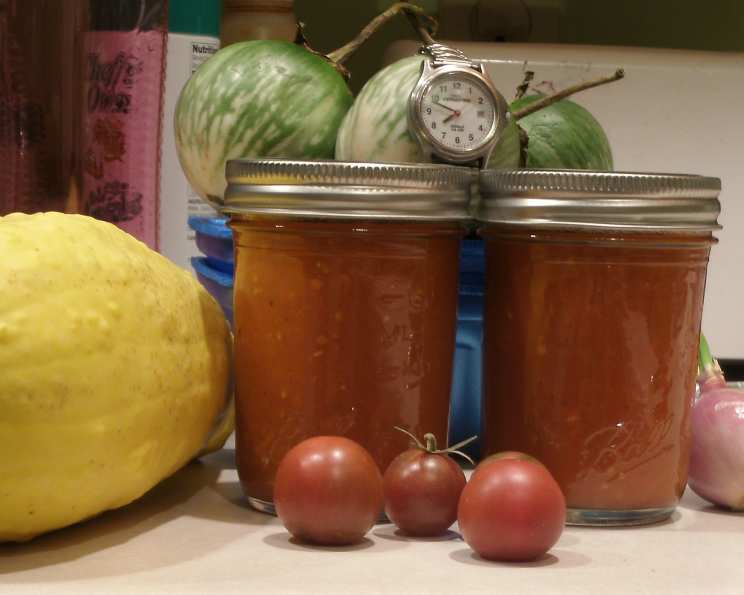
The Authentic Kick of Texas-Style Picante Sauce
My grandmother, bless her heart, was a true Texan through and through. Her garden wasn’t just a collection of pretty flowers; it was a veritable battlefield of peppers, each one fierier than the last. Every summer, the kitchen transformed into a canning factory, the air thick with the pungent aroma of simmering tomatoes, vinegar, and the unmistakable sting of jalapeños. While I often tried to sneak a taste (and always regretted it), it was those memories that sparked my culinary passion, and this Texas-Style Picante Sauce recipe is a direct homage to her fiery spirit.
Recipe Overview
- Prep Time: 20 minutes
- Cook Time: 45 minutes
- Total Time: 1 hour 5 minutes
- Yields: Approximately 3 pints
- Dietary Type: Vegan, Gluten-Free
Ingredients
- 4-8 fresh jalapeño peppers (adjust to your heat preference)
- 4 garlic cloves
- 1 (6 ounce) can tomato paste
- ½ teaspoon pepper
- 1 tablespoon salt
- 4 cups fresh tomatoes, finely chopped
- ¼ teaspoon alum (optional, for crispness)
- ½ teaspoon cumin
- ½ cup sugar
- 1 cup vinegar (white or apple cider)
- 1 cup green pepper, finely chopped
- 1 cup onion, finely chopped
Equipment Needed
- Blender or food processor
- Large saucepan
- Sterilized pint jars
- Jar lifter
- Boiling water bath canner or pressure canner
Instructions
- Prepare the Pepper Paste: In a blender or food processor, combine the jalapeño peppers, garlic cloves, tomato paste, sugar, vinegar, alum (if using), pepper, salt, and cumin. Process until you reach your desired consistency, whether you prefer a smooth sauce or one with a bit more texture. If you’re sensitive to spicy aromas, consider opening a window or turning on your range hood.
- Combine the Vegetables: In a large saucepan, combine the finely chopped fresh tomatoes, green pepper, and onion.
- Simmer the Sauce: Add the pepper paste from the blender to the saucepan with the chopped vegetables. Stir well to combine everything.
- Bring to a Boil: Over medium-high heat, bring the mixture to a boil, stirring frequently to prevent sticking.
- Reduce Heat and Simmer: Once boiling, reduce the heat to low and simmer for 45 minutes, stirring occasionally. The sauce will thicken slightly as it simmers.
- Prepare for Canning: While the sauce is simmering, ensure your pint jars are sterilized. You can sterilize them by boiling them in water for 10 minutes. Keep the jars hot until ready to fill.
- Fill the Jars: Carefully ladle the hot picante sauce into the hot, sterilized pint jars, leaving ½ inch of headspace at the top. Use a clean utensil to remove any air bubbles trapped inside the jars. Wipe the rims of the jars clean with a damp cloth.
- Seal the Jars: Place the sterilized lids on the jars and screw on the bands until they are fingertip tight. Do not overtighten.
- Process in a Boiling Water Bath: If using a boiling water bath canner, carefully lower the filled jars into the boiling water bath, ensuring the water covers the jars by at least 1 inch. Bring the water back to a boil and process for 15 minutes.
- Process in a Pressure Canner: If using a pressure canner, follow the manufacturer’s instructions for your specific canner. Typically, you’ll process the jars for 5 minutes at 10 pounds of pressure. Adjust the pressure according to your altitude.
- Cool and Check Seals: After processing, carefully remove the jars from the canner using a jar lifter and place them on a towel-lined surface to cool completely. Allow the jars to cool undisturbed for at least 12-24 hours.
- Check the Seals: After the jars have cooled, check the seals by pressing down on the center of each lid. If the lid flexes up and down, it is not properly sealed, and the jar should be refrigerated and used within a week or reprocessed with a new lid. Properly sealed jars will have a concave lid that doesn’t move.
Expert Tips & Tricks
- Heat Control: The number of jalapeños you use will significantly impact the heat level of your picante sauce. Start with 4 jalapeños and taste the sauce after simmering to determine if you want to add more heat. For a milder sauce, remove the seeds and membranes from the jalapeños.
- Tomato Quality: Using ripe, flavorful tomatoes is crucial for a great-tasting picante sauce. If fresh tomatoes are not in season, you can substitute with canned diced tomatoes, but be sure to drain them well before adding them to the saucepan.
- Thickening the Sauce: If your sauce is too thin after simmering for 45 minutes, continue to simmer it for an additional 15-30 minutes, stirring frequently, until it reaches your desired consistency.
- Flavor Enhancement: A squeeze of lime juice at the end of the simmering process can add a bright, zesty flavor to the picante sauce.
- Canning Safety: Always follow proper canning procedures to ensure the safety of your homemade picante sauce. This includes sterilizing jars, achieving a proper seal, and processing the jars for the correct amount of time.
Serving & Storage Suggestions
Serve your Texas-Style Picante Sauce with tortilla chips, tacos, enchiladas, breakfast burritos, or anything that needs a little extra kick. It also makes a fantastic addition to chili, soups, and stews.
Properly sealed jars of picante sauce can be stored in a cool, dark place (like a pantry) for up to one year. Once opened, refrigerate the picante sauce and use it within 1-2 weeks. Unsealed jars should be refrigerated immediately and consumed within a week. Freezing is not generally recommended as it can affect the texture.
Nutritional Information
Please note that the following nutritional information is an estimate and may vary based on specific ingredients and quantities used.
| Nutrient | Amount per Serving | % Daily Value |
|---|---|---|
| Calories | 82 kcal | 4% |
| Total Fat | 0.4g | 1% |
| Saturated Fat | 0.1g | 1% |
| Cholesterol | 0mg | 0% |
| Sodium | 703mg | 30% |
| Total Carbohydrate | 19.5g | 7% |
| Dietary Fiber | 2.3g | 9% |
| Sugars | 15.4g | – |
| Protein | 1.5g | 3% |
Variations & Substitutions
- Habanero Heat: For an extra fiery kick, substitute 1 ½ habanero peppers for some of the jalapeños. Be extremely cautious when handling habaneros, as they are significantly hotter. Wear gloves and avoid touching your eyes or face.
- Smoked Flavor: Add a teaspoon of smoked paprika to the pepper paste for a smoky depth of flavor.
- Sweetness Adjustment: Adjust the amount of sugar to your liking. If you prefer a tangier sauce, reduce the sugar by half.
- Bell Pepper Variety: Use red or yellow bell peppers instead of green for a sweeter, milder flavor.
- Vinegar Choice: Experiment with different types of vinegar, such as apple cider vinegar or red wine vinegar, to alter the tanginess of the sauce.
FAQs (Frequently Asked Questions)
Q: Do I have to use alum in this recipe?
A: No, alum is optional. It helps to keep the vegetables crisp, but it’s not essential for the flavor or safety of the picante sauce.
Q: Can I use dried spices instead of fresh?
A: While fresh ingredients are preferable, you can substitute dried spices. Use 1/4 teaspoon of dried cumin for the 1/2 teaspoon of ground cumin called for in the recipe.
Q: How long will this picante sauce last?
A: Properly sealed jars will be shelf-stable for up to a year. Once opened, refrigerate and use within 1-2 weeks.
Q: My picante sauce is too spicy! How can I tone it down?
A: You can add a bit more sugar or tomato paste to balance the heat. Alternatively, serve it with sour cream or guacamole to help cool it down.
Q: I don’t have a canner. Can I still make this recipe?
A: Yes, but you’ll need to refrigerate the sauce immediately and consume it within a week. The canning process is essential for long-term storage at room temperature.
Final Thoughts
This Texas-Style Picante Sauce is more than just a condiment; it’s a vibrant taste of Texas sunshine and fiery spirit. Whether you’re a seasoned canner or a first-time sauce maker, I urge you to give this recipe a try. Picture yourself drizzling it over crispy breakfast tacos, or ladling it into a hearty pot of chili. The possibilities are endless! Don’t be afraid to adjust the heat levels to your liking, and most importantly, have fun in the kitchen. I’d love to hear about your picante adventures, so feel free to share your feedback and variations!