
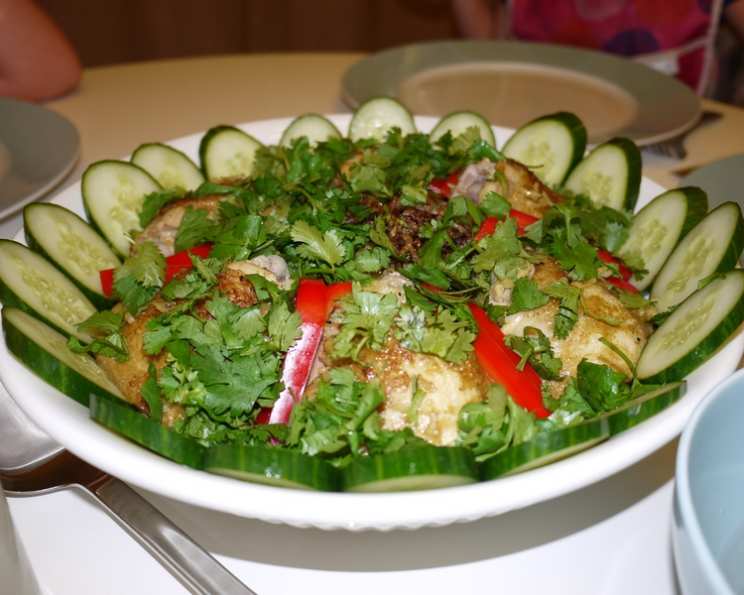
Thai Chicken With Crispy Shallots in Yellow Rice (Kao Moke Gai)
The scent of turmeric, cumin, and ginger always transports me back to my little Bangkok cooking class. The bustling market outside, the sweet-sour tang of tamarind in the air, and the sheer joy of learning to layer flavors that danced on my tongue – those memories are forever etched in my mind. This recipe for Kao Moke Gai, or “chicken hidden in rice,” as it’s sometimes called, captures that essence perfectly. It’s a dish that’s both comforting and exciting, a true testament to the magic of Thai cuisine.
Recipe Overview
- Prep Time: 30 minutes
- Cook Time: 45 minutes
- Total Time: 1 hour 15 minutes
- Servings: 6
- Yield: One large platter
- Dietary Type: Gluten-Free (check soy sauce and vinegar for gluten)
Ingredients
- 1 teaspoon ground cayenne pepper
- 1 teaspoon ground cumin
- 1 teaspoon coriander powder
- ½ teaspoon ground turmeric
- ½ teaspoon fresh ground white pepper
- 2 ½ teaspoons salt, divided
- 6 chicken thighs (about 1 ½ lbs total)
- 2 tablespoons vegetable oil, plus additional for frying shallots
- 5 slices gingerroot (about the size of a US quarter)
- 1 tablespoon coarsely chopped garlic
- ½ cup coarsely chopped onion
- 2 cups jasmine rice (not instant or parboiled) or 2 cups long-grain white rice (not instant or parboiled)
- 2 ¾ cups water
- ½ cup shallot, thinly sliced crosswise
- ½ cup distilled white vinegar
- ¼ cup sugar
- 3 fresh green serrano chilies, thinly sliced crosswise
- 4 small cucumbers, thinly sliced at an angle into ovals
- Cilantro leaves, stems removed, rinsed and dried
Equipment Needed
- Dutch oven or large, heavy-bottomed pot with a tight-fitting lid
- Small wok or skillet
- Shallow bowl
- Slotted spoon
- Small mixing bowl
- Serving platter
Instructions
-
In a small bowl, combine the cayenne, cumin, coriander, turmeric, pepper, and ½ teaspoon of the salt. Mix well.
-
Sprinkle half of the spice mixture over the chicken pieces, rubbing it in well to coat. Set aside the coated chicken and the remaining spice mixture. Be careful when handling the spices, especially the turmeric, as it can stain clothing!
-
In a Dutch oven, heat 2 tablespoons of vegetable oil over medium-high heat. Add the chicken, skin side down, and cook for 8-10 minutes, turning occasionally, until well-browned. Remove the chicken to a shallow bowl, cover, and set aside. This browning step is crucial for adding depth of flavor. Don’t overcrowd the pan; cook in batches if necessary.
-
Spoon off some of the oil from the Dutch oven, leaving about 2 tablespoons, being careful not to remove any of the browned bits left from the chicken. These browned bits are called fond and are packed with flavor. Reheat the oil and sauté the ginger slices for about 30 seconds, turning and pressing down to release their juices.
-
Add the garlic and sauté, stirring and turning constantly, until golden brown (about 30-45 seconds). Be vigilant during this step, as garlic burns easily. If it gets too hot and starts to darken too quickly, just add a ¼ cup or so of water to deglaze (beware of splatters!). This will also help scrape up those delicious browned bits from the bottom of the pot.
-
Add the onion and the remaining spice mixture to the pan. Sauté until the onion is tender, about 1 minute.
-
Add the rice and toss until it’s coated with the spiced oil and beginning to turn translucent. This step is important for toasting the rice and enhancing its flavor.
-
Add the water and 1 ½ teaspoons of the salt to the rice. Bring to a boil over high heat, stirring occasionally to prevent sticking. Boil the rice until the surface is dry and the grains begin to swell, about 5-7 minutes. Keep an eye on the rice; you want it to absorb most of the water but not completely dry out.
-
Reduce the heat to low. Return the chicken to the pan, burying each piece near the bottom of the pan under the rice. Add any juices that have collected in the bowl to the pan. Smooth the surface of the rice to hide the chicken completely.
-
Cover the pan and cook over low heat until the rice is tender and the chicken is cooked through, about 30 minutes. The internal temperature of the chicken should reach 165°F (74°C). Resist the urge to peek under the lid too often, as this will release steam and prolong the cooking time.
-
Meanwhile, in a small wok or skillet, pour in oil to a depth of 2 inches. Heat over medium-high heat until hot but not smoking. To test the oil, drop a piece of shallot into it; if it sizzles right away, the oil is ready.
-
Sprinkle the sliced shallots over the hot oil and, with a fork, separate the rings and turn them over quickly. When most of the shallots are golden brown, remove them with a slotted spoon to a paper towel to drain. Shallots burn quickly, so stay close and watch them carefully. When cool enough to touch, spread them out on a small plate and set aside, uncovered. Spreading them out allows them to stay crispy.
-
When the rice and chicken are done, remove from heat and let stand, covered, for about 15 minutes. This resting period allows the rice to finish cooking and the flavors to meld together.
-
Meanwhile, prepare the sauce and garnishes. In a small glass mixing bowl, combine the vinegar, sugar, and ½ teaspoon salt, stirring until dissolved and thickened. Sprinkle the chili slices over the sauce and transfer to a small, non-reactive serving bowl.
-
To serve, remove the chicken from the rice, scraping away any clinging rice grains, and set aside. Fluff the rice with a fork, remove and discard the ginger slices, and mound it on a serving platter. Arrange the chicken pieces on the platter. Garnish with cucumber slices, cilantro leaves, and crispy shallots. Serve warm or at room temperature along with the sauce.
Expert Tips & Tricks
- For a richer flavor, use chicken stock instead of water.
- If you don’t have serrano chilies, you can substitute with Thai bird chilies for extra heat or jalapeños for a milder spice.
- The crispy shallots can be made ahead of time and stored in an airtight container at room temperature for up to 2 days.
- If the rice seems too dry while cooking, add a tablespoon or two of water at a time until it reaches the desired consistency.
- If the bottom of the rice starts to burn, immediately remove the pot from the heat and place a damp towel under it for a few minutes to stop the cooking process.
Serving & Storage Suggestions
Serve Kao Moke Gai immediately after cooking for the best flavor and texture. Arrange the chicken attractively on a bed of fluffy, fragrant rice, and generously garnish with fresh cucumber slices, bright green cilantro, and crunchy, golden shallots. The accompanying dipping sauce adds a delightful tang and heat.
Leftovers can be stored in an airtight container in the refrigerator for up to 3 days. To reheat, gently warm the rice and chicken in a microwave or in a pan on the stovetop with a splash of water. You can also freeze leftovers for up to 2 months. Thaw completely before reheating.
Nutritional Information
| Nutrient | Amount per Serving | % Daily Value |
|---|---|---|
| Calories | 563.8 kcal | N/A |
| Calories from Fat | 177 g | 31% |
| Total Fat | 19.7 g | 30% |
| Saturated Fat | 4.8 g | 23% |
| Cholesterol | 79 mg | 26% |
| Sodium | 1057.6 mg | 44% |
| Total Carbohydrate | 73 g | 24% |
| Dietary Fiber | 3.6 g | 14% |
| Sugars | 13.5 g | N/A |
| Protein | 22.9 g | 45% |
Variations & Substitutions
- Vegetarian: Substitute the chicken thighs with firm tofu or a mix of mushrooms and vegetables like broccoli and bell peppers. Adjust cooking time accordingly.
- Coconut Rice: Replace the water with coconut milk for a richer, sweeter flavor.
- Spicier: Add more serrano chilies to the dipping sauce or include a pinch of chili flakes in the spice mixture.
- Herbs: Experiment with other fresh herbs like mint or Thai basil in addition to cilantro.
FAQs (Frequently Asked Questions)
Q: Can I use chicken breast instead of chicken thighs?
A: Yes, you can, but chicken thighs are more flavorful and remain more moist during the cooking process. If using chicken breasts, reduce the cooking time slightly to avoid overcooking.
Q: Can I use a rice cooker for this recipe?
A: While possible, using a Dutch oven allows for better browning of the chicken and sautéing of the aromatics, which contributes significantly to the overall flavor.
Q: How do I prevent the shallots from burning?
A: Maintain a consistent oil temperature and stir the shallots frequently. Remove them from the oil as soon as they turn golden brown, as they will continue to cook from the residual heat.
Q: Can I make this dish ahead of time?
A: Yes, you can prepare the chicken and rice ahead of time and store it separately in the refrigerator. Reheat gently before serving. The crispy shallots are best made fresh for optimal crunch.
Q: What other sauces would pair well with this dish?
A: A peanut sauce or a sweet chili sauce would also be delicious additions.
Final Thoughts
Kao Moke Gai is more than just a meal; it’s an experience. The vibrant blend of spices, the tender chicken nestled in fragrant rice, and the satisfying crunch of crispy shallots make it a dish that delights all the senses. I encourage you to try this recipe and bring a little bit of Thailand into your own kitchen. Don’t be afraid to experiment with the variations and make it your own. And if you happen to have a bottle of Singha beer on hand, that would be the perfect accompaniment to complete this culinary journey! Enjoy!