
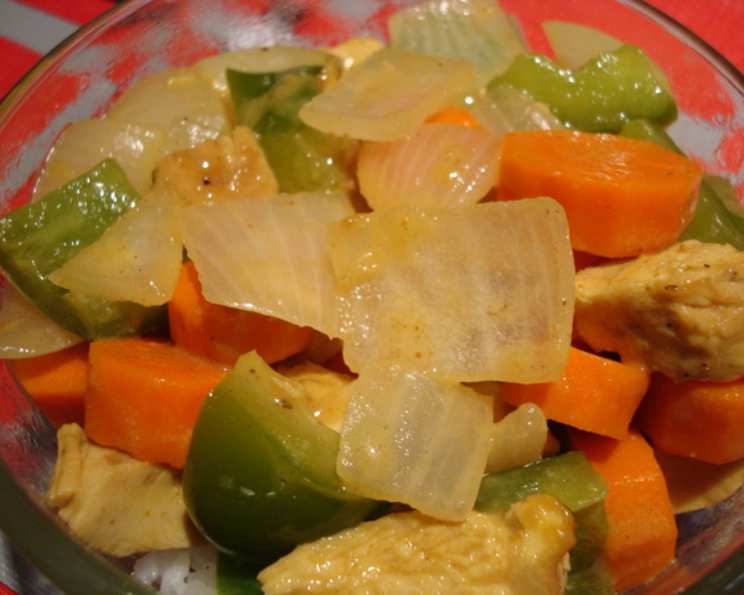
Thai Curry Chicken & Vegetables: A Symphony of Flavors
The first time I tasted Thai curry chicken, I was backpacking through Southeast Asia, a wide-eyed culinary adventurer. The air was thick with the scent of lemongrass and chilies, and the vibrant flavors of that simple street food – the creamy coconut milk, the fragrant spices, the tender chicken – transported me to another world. That single bite sparked a lifelong love affair with Thai cuisine, and I’ve been experimenting with curry recipes ever since. This recipe, a blend of aromatic spices, succulent chicken, and colorful vegetables, is my attempt to recreate that magical experience in my own kitchen, a delicious reminder of distant lands and bold flavors.
Recipe Overview
- Prep Time: 15 minutes
- Cook Time: 35 minutes
- Total Time: 50 minutes
- Servings: 6-8
- Dietary Type: Adaptable
Ingredients
- 2 tablespoons olive oil
- 1 teaspoon five-spice powder
- ½ teaspoon salt
- ½ teaspoon garlic powder
- ½ teaspoon ginger
- ½ teaspoon pepper
- ½ teaspoon cayenne pepper (optional, for added heat)
- 1 tablespoon soy sauce
- 1 ½ lbs boneless skinless chicken breasts, cut into 1-inch pieces
- 1 cup chicken broth
- 3 teaspoons curry powder
- 2 tablespoons rice wine vinegar (or 2 tablespoons regular vinegar)
- 14 ounces coconut milk (lite will work ok)
- 2 ½ cups mixed vegetables, fresh (suggestions: mushrooms, carrots, zucchini, bell peppers, broccoli florets)
- 5 cups cooked rice, for serving
Equipment Needed
- Large skillet or wok
- Measuring spoons and cups
- Knife
- Cutting board
Instructions
-
Heat the olive oil in a large skillet or wok over medium-high heat until it shimmers. The oil should be hot enough to sizzle gently when a drop of water is added.
-
Add the five-spice powder, garlic powder, ginger, pepper, cayenne pepper (if using), soy sauce, and salt to the hot oil. Stir continuously for about 30 seconds, or until the spices become fragrant. Be careful not to burn the spices; lower the heat slightly if needed. This step is crucial for blooming the spices and releasing their full flavor.
-
Add the chicken pieces to the skillet. Cook and stir for 5-8 minutes, or until the chicken is coated with the spices and no longer pink on the outside. Make sure the chicken is evenly distributed in the pan for even cooking.
-
Pour in the chicken broth, curry powder, rice wine vinegar (or regular vinegar), and coconut milk. Stir well to combine all the ingredients. The coconut milk will add a creamy richness and authentic Thai flavor to the curry.
-
Bring the mixture to a boil over medium-high heat. Once it’s boiling, reduce the heat to low and simmer uncovered for 20-25 minutes, stirring occasionally. Simmering allows the flavors to meld together and the chicken to become tender.
-
Add the mixed vegetables to the skillet. Increase the heat back to medium-high and bring the mixture back to a boil.
-
Cook for 3-5 minutes, or until the vegetables are tender-crisp. Avoid overcooking the vegetables; they should still have a slight bite to them. Stir frequently to ensure even cooking.
-
Serve hot over cooked rice. Garnish with fresh cilantro or a sprinkle of red pepper flakes for added flavor and visual appeal.
Expert Tips & Tricks
- For an even richer flavor, try toasting the curry powder in a dry pan for a minute or two before adding it to the oil. This will intensify its aroma and deepen the overall flavor profile of the curry.
- If you prefer a thicker sauce, you can mix a tablespoon of cornstarch with two tablespoons of cold water and stir it into the curry during the last few minutes of cooking.
- To make this recipe ahead of time, prepare the curry up to the point of adding the vegetables. Store it in the refrigerator for up to 24 hours. When ready to serve, reheat the curry and add the vegetables as directed.
- Don’t be afraid to experiment with different types of vegetables. Bell peppers, snap peas, spinach, and bamboo shoots all work well in this dish.
- For a spicier curry, add a pinch of red pepper flakes or a finely chopped chili pepper along with the other spices.
Serving & Storage Suggestions
Serve the Thai Curry Chicken & Vegetables hot over a bed of fluffy cooked rice. Garnish with fresh cilantro, chopped peanuts, or a squeeze of lime juice for an extra burst of flavor. This dish also pairs well with naan bread or roti for scooping up the flavorful sauce.
Leftovers can be stored in an airtight container in the refrigerator for up to 3-4 days. Reheat gently in a saucepan over medium heat, or in the microwave. If the sauce becomes too thick during reheating, add a splash of chicken broth or coconut milk to thin it out. While not recommended for optimal texture, you can freeze leftovers for up to 2 months. Thaw overnight in the refrigerator before reheating.
Nutritional Information
| Nutrient | Amount per Serving | % Daily Value |
|---|---|---|
| Calories | 664 kcal | N/A |
| Calories from Fat | 176 kcal | N/A |
| Total Fat | 19.6 g | 30% |
| Saturated Fat | 12.2 g | 60% |
| Cholesterol | 72.6 mg | 24% |
| Sodium | 744.4 mg | 31% |
| Total Carbohydrate | 88.8 g | 29% |
| Dietary Fiber | 3.1 g | 12% |
| Sugars | 37.4 g | N/A |
| Protein | 31.7 g | 63% |
Note: Nutritional information is an estimate and may vary based on specific ingredients and portion sizes.
Variations & Substitutions
- Vegan Option: Substitute the chicken with firm tofu or tempeh. Ensure the tofu is well-pressed to remove excess water.
- Gluten-Free: This recipe is naturally gluten-free. However, always double-check the labels of your soy sauce and curry powder to ensure they are certified gluten-free. Tamari is a great gluten-free alternative to soy sauce.
- Spicy Curry: If you like it hot, increase the amount of cayenne pepper or add a finely chopped Thai chili pepper to the spice mixture.
- Creamier Curry: For a richer, more decadent curry, use full-fat coconut milk instead of lite coconut milk.
- Vegetable Variations: Use whatever vegetables you have on hand or prefer. Broccoli, cauliflower, green beans, and eggplant are all great additions.
FAQs (Frequently Asked Questions)
Q: Can I use frozen vegetables in this recipe?
A: Yes, frozen vegetables can be used. Add them towards the end of the cooking process, as they will cook faster than fresh vegetables.
Q: How can I make this curry spicier?
A: Add more cayenne pepper, red pepper flakes, or a finely chopped chili pepper to the spice mixture. You can also add a dash of chili oil at the end for an extra kick.
Q: Can I use different types of meat?
A: Yes, you can substitute the chicken with other meats such as shrimp, beef, or pork. Adjust the cooking time accordingly.
Q: What kind of rice goes best with this dish?
A: Jasmine rice is a classic choice for Thai curry, but you can also use basmati rice or brown rice.
Q: Can I make this recipe without coconut milk?
A: While coconut milk is a key ingredient in Thai curry, you can substitute it with heavy cream or a combination of milk and cream for a similar creamy texture, but the flavor will be different.
Final Thoughts
This Thai Curry Chicken & Vegetables recipe is a delightful adventure in flavor, a journey that combines the comforting warmth of home-cooked food with the exotic allure of Southeast Asia. It’s a recipe that’s both simple to make and endlessly adaptable, inviting you to experiment with your favorite vegetables and spice levels. I encourage you to try this recipe and share your own culinary creations. Perhaps pair it with a refreshing Thai iced tea or a crisp Sauvignon Blanc. Enjoy the journey, and happy cooking!