
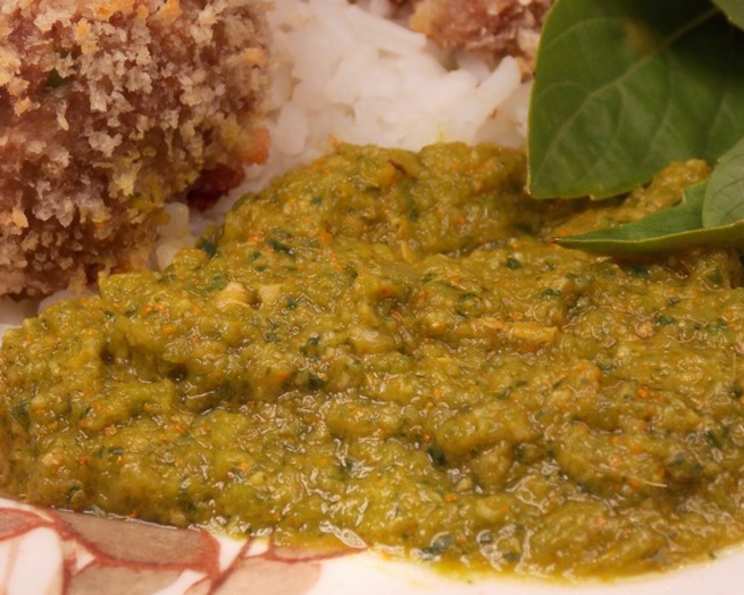
Unlock Authentic Thai Flavors: Mastering Homemade Curry Paste
The scent of Thai curry paste simmering in a hot pan is an aroma I’ll never forget. It transports me back to a tiny cooking school in Chiang Mai, where I spent a sweltering afternoon pounding chilies, galangal, and lemongrass with a granite mortar and pestle. The resulting paste, fiery and fragrant, was the base for the most incredible green curry I’ve ever tasted, a dish that cemented my love for Thai cuisine and the transformative power of fresh ingredients.
Recipe Overview
- Prep Time: 10 minutes
- Cook Time: 0 minutes (No cooking required for the paste itself)
- Total Time: 10 minutes
- Yields: 1/2 cup
- Dietary Type: Vegan, Gluten-Free
Ingredients
- ¼ cup chopped scallion
- ¼ cup basil or Thai basil
- 2 tablespoons minced garlic
- 2 tablespoons grated fresh gingerroot
- 1 tablespoon lime peel or 1 tablespoon minced tender inner stalk fresh lemongrass
- 1 tablespoon brown sugar
- 1-2 fresh red chilies or 1-2 green chilies, minced
- 3 tablespoons fresh lemon juice or lime juice
- 1 tablespoon ground coriander
- 1 teaspoon turmeric
- ½ teaspoon salt
Equipment Needed
- Blender or food processor
Instructions
- Combine all of the curry paste ingredients – the chopped scallion, basil (or Thai basil), minced garlic, grated fresh gingerroot, lime peel (or minced lemongrass), brown sugar, chilies (red or green), lemon or lime juice, ground coriander, turmeric, and salt – in a blender or food processor.
- Puree until quite smooth, scraping down the sides as needed to ensure all ingredients are fully incorporated. The consistency should be relatively fine, with no large chunks remaining.
Expert Tips & Tricks
-
Spice Level Adjustment: Control the heat by adjusting the number of chilies. Start with one chili if you prefer a milder curry, and add more to taste. Remember, you can always add more heat, but you can’t take it away!
-
Freshness is Key: Use the freshest ingredients possible, especially the herbs and chilies. Fresh herbs will deliver a much more vibrant flavor than dried ones.
-
Lemongrass Preparation: If using lemongrass, be sure to use only the tender inner stalk. Remove the tough outer layers and mince the stalk finely before adding it to the blender. This will ensure a smooth paste.
-
Ginger Variety: Galangal (Thai ginger) is traditionally used in Thai curry paste and offers a unique citrusy, earthy flavor. If you can find it, substitute it for regular gingerroot for a more authentic taste.
-
Balancing Flavors: Taste the paste after blending and adjust the ingredients to your liking. If it’s too spicy, add a little more lemon or lime juice. If it’s too sour, add a touch more brown sugar.
-
Making it in Advance: This curry paste can be made ahead of time and stored in the refrigerator for up to a week, or frozen for longer storage. The flavor will actually deepen and improve over time.
-
A Mortar and Pestle Alternative: While a blender or food processor is convenient, the most authentic flavor comes from using a mortar and pestle. The pounding action releases the essential oils from the spices and herbs, creating a more complex and aromatic paste. This method requires more time and effort, but the results are well worth it.
Serving & Storage Suggestions
This homemade Thai curry paste is incredibly versatile. It forms the base for countless Thai curries, from green and red to yellow and panang. You can also use it as a marinade for meats, poultry, or seafood. For a quick and easy meal, toss it with steamed vegetables and serve over rice or noodles.
Store any leftover curry paste in an airtight container in the refrigerator for up to a week. For longer storage, freeze the paste in ice cube trays. Once frozen, transfer the cubes to a freezer bag. This makes it easy to portion out the exact amount you need for your recipes. Frozen curry paste will keep for several months. There is no need to reheat this paste. Use straight from the fridge or freezer.
Nutritional Information
Nutritional information is an estimate and can vary based on specific ingredients used.
| Nutrient | Amount per Serving | % Daily Value |
|---|---|---|
| Calories | 35 kcal | 2% |
| Total Fat | 1 g | 1% |
| Saturated Fat | 0 g | 0% |
| Cholesterol | 0 mg | 0% |
| Sodium | 120 mg | 5% |
| Total Carbohydrate | 6 g | 2% |
| Dietary Fiber | 1 g | 4% |
| Sugars | 2 g | – |
| Protein | 1 g | 2% |
Variations & Substitutions
-
Vegan Curry Paste: This recipe is naturally vegan.
-
Different Chilies: Experiment with different types of chilies to customize the heat and flavor of your curry paste. Bird’s eye chilies are very spicy, while milder varieties like Fresno chilies offer a more subtle heat.
-
Galangal or Ginger? As mentioned previously, galangal (Thai ginger) offers a unique flavor. If you can find it, use it in place of regular ginger.
-
Kaffir Lime Leaves: Adding a few kaffir lime leaves to the blender will enhance the citrusy aroma of the paste. Remove the tough central rib before adding the leaves.
-
Shrimp Paste (for Non-Vegetarians): For a more authentic flavor, especially in red curry paste, consider adding a small amount (about a teaspoon) of shrimp paste. This adds a savory, umami element to the paste.
FAQs (Frequently Asked Questions)
Q: Can I use dried herbs if I don’t have fresh ones?
A: While fresh herbs are preferred, you can substitute dried herbs in a pinch. Use about 1 teaspoon of dried herb for every tablespoon of fresh herb called for in the recipe.
Q: How long will the curry paste last in the freezer?
A: Properly stored in an airtight container, frozen curry paste will maintain its flavor and quality for up to 3 months.
Q: Can I make a larger batch of this curry paste?
A: Yes, you can easily double or triple the recipe to make a larger batch. Just be sure to use a large enough blender or food processor to accommodate all the ingredients.
Q: My curry paste is too thick. How can I thin it out?
A: Add a little more lemon or lime juice, or a tablespoon of water, to thin the curry paste to your desired consistency.
Q: What’s the difference between red, green, and yellow curry paste?
A: The main difference lies in the types of chilies used. Red curry paste typically uses dried red chilies, green curry paste uses fresh green chilies, and yellow curry paste includes turmeric, which gives it its characteristic color and flavor.
Final Thoughts
Making your own Thai curry paste from scratch might seem daunting, but it’s surprisingly easy and incredibly rewarding. The vibrant flavors and aromas will transform your home cooking and transport you to the bustling streets of Thailand. Don’t be afraid to experiment with the ingredients and adjust the recipe to your own preferences. Once you’ve mastered this fundamental paste, you’ll be able to create countless delicious and authentic Thai dishes. I encourage you to give it a try and share your creations with friends and family. Pair your homemade curry with a refreshing Thai iced tea for a complete culinary experience!