
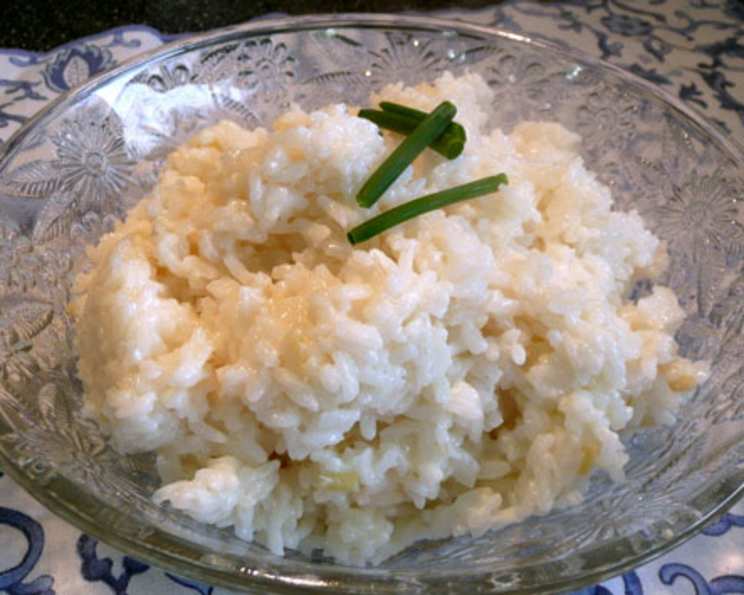
Thai Garlic Ginger Coconut Rice: Aromatic Perfection
The first time I encountered this rice, I was backpacking through Thailand. I stumbled upon a small, family-run restaurant in Chiang Mai, the air thick with the scent of lemongrass and chilies. The owner, a sweet woman named Aoy, insisted I try her special rice. One bite, and I was transported. The fragrant garlic and ginger, infused into the creamy coconut rice, was an absolute revelation. It was comfort food elevated to an art form, and I’ve been chasing that flavor ever since, tweaking and perfecting this recipe to bring that memory to my own kitchen.
Recipe Overview
- Prep Time: 5 minutes
- Cook Time: 27 minutes
- Total Time: 32 minutes
- Servings: 8
- Dietary Type: Vegan, Gluten-Free
Ingredients
- 2 tablespoons vegetable oil
- 4 garlic cloves, crushed
- 1 tablespoon fresh ginger, grated
- 2 cups jasmine rice
- ¾ cup coconut milk
- 2 ½ cups water
- 1 pinch salt, to taste
Equipment Needed
- Medium saucepan with lid
Instructions
- In a medium saucepan over medium-low heat, add the vegetable oil. Let it heat gently for a minute or two.
- Add the crushed garlic and grated fresh ginger. Sauté for 3 minutes, being careful not to burn the garlic. Burnt garlic will impart a bitter taste to the rice, so keep a close watch and stir frequently.
- Add the jasmine rice to the saucepan and stir until the grains are well coated with the oil, garlic, and ginger mixture. This helps to toast the rice slightly, enhancing its nutty flavor.
- Pour in the coconut milk, water, and add a pinch of salt. Stir well to combine all the ingredients.
- Bring the mixture to a boil over medium heat. Watch carefully, as it can quickly boil over.
- Give the rice one quick stir, then cover the saucepan tightly with a lid. Reduce the heat to the lowest setting possible on your stove.
- Cook the rice for 15 minutes. It’s crucial to keep the lid on and avoid lifting it during this time, as this will release steam and affect the cooking process.
- After 15 minutes, remove the saucepan from the heat. Do not lift the lid! Let the rice sit, covered, for an additional 5 minutes. This allows the rice to steam and fully absorb any remaining liquid, resulting in perfectly fluffy grains.
- After the resting period, fluff the rice gently with a fork before serving. This helps to separate the grains and prevent them from sticking together.
Expert Tips & Tricks
- Garlic Watch: As mentioned, burnt garlic is the enemy! Keep the heat low and stir frequently while sautéing. If the garlic starts to brown too quickly, reduce the heat further or remove the pan from the heat temporarily.
- Rice Rinse: Rinsing the jasmine rice before cooking can help remove excess starch, resulting in a less sticky final product. However, for this recipe, a little stickiness is desirable, as it helps the rice cling together and absorb the coconut milk flavor. So, rinsing is optional.
- Coconut Milk Consistency: Full-fat coconut milk will yield the richest, creamiest results. If using light coconut milk, you may need to reduce the amount of water slightly to prevent the rice from becoming too watery.
- Don’t Peek!: Resisting the urge to lift the lid during cooking and resting is key to achieving perfectly cooked rice. Every time you lift the lid, you release steam, which can lead to uneven cooking and a less fluffy texture.
- Spice It Up: For a touch of heat, consider adding a finely chopped red chili pepper or a pinch of red pepper flakes to the sautéing garlic and ginger.
- Make-Ahead Magic: You can cook the rice a few hours ahead of time. Just let it cool slightly, then store it in an airtight container in the refrigerator. Reheat gently in a saucepan with a splash of water or coconut milk before serving.
Serving & Storage Suggestions
This Thai Garlic Ginger Coconut Rice is incredibly versatile and pairs beautifully with a wide range of dishes. Serve it alongside grilled chicken or fish, stir-fries, curries, or vegetable dishes. It’s also delicious on its own as a simple and satisfying side dish.
To store leftovers, allow the rice to cool completely before transferring it to an airtight container. Store in the refrigerator for up to 3 days. To reheat, add a splash of water or coconut milk to the rice and microwave or heat gently in a saucepan until warmed through. You can also freeze the rice for longer storage. Thaw overnight in the refrigerator before reheating.
Nutritional Information
| Nutrient | Amount per Serving | % Daily Value |
|---|---|---|
| Calories | 257.3 kcal | N/A |
| Calories from Fat | 77g | 30% |
| Total Fat | 8.6 g | 13% |
| Saturated Fat | 4.8 g | 24% |
| Cholesterol | 0 mg | 0% |
| Sodium | 38.3 mg | 1% |
| Total Carbohydrate | 40.7 g | 13% |
| Dietary Fiber | 1.9 g | 7% |
| Sugars | 1.7 g | 6% |
| Protein | 4 g | 8% |
Variations & Substitutions
- Brown Rice Option: While jasmine rice is traditional, you can substitute brown rice for a nuttier flavor and added fiber. You’ll need to adjust the cooking time and liquid accordingly. Brown rice typically requires a longer cooking time and more liquid.
- Herb Infusion: Add fresh herbs like cilantro or Thai basil to the rice during the last few minutes of cooking for an extra layer of flavor.
- Vegetable Boost: Stir in some chopped vegetables like bell peppers, peas, or carrots after the rice is cooked for a more substantial dish.
- Vegan Butter Alternative: If you prefer a richer flavor without using vegetable oil, try using vegan butter.
- Nutty Addition: Sprinkle toasted coconut flakes or chopped peanuts over the finished rice for added texture and flavor.
FAQs (Frequently Asked Questions)
Q: Can I use a rice cooker instead of a saucepan?
A: Yes, you can definitely use a rice cooker. Follow the same ingredient ratios and cooking times, but refer to your rice cooker’s instructions for specific settings.
Q: What if my rice is still hard after 15 minutes of cooking?
A: This likely means there wasn’t enough liquid. Add another ¼ cup of water, cover, and continue cooking on low heat for another 5-10 minutes, checking periodically until the rice is tender.
Q: Can I use dried ginger instead of fresh?
A: Fresh ginger is highly recommended for its vibrant flavor. However, if you must use dried ginger, use about 1 teaspoon and add it along with the garlic.
Q: How do I prevent the rice from sticking to the bottom of the pan?
A: Using a good quality saucepan with a heavy bottom helps distribute heat evenly and prevent sticking. Also, ensuring the heat is on the lowest setting during cooking is crucial.
Q: Can I add protein directly to the rice while cooking?
A: While you could add small pieces of cooked protein (like shredded chicken or tofu) during the last 5 minutes of cooking, it’s best to serve the protein separately to avoid overcooking it.
Final Thoughts
This Thai Garlic Ginger Coconut Rice is more than just a side dish; it’s a culinary journey to the heart of Southeast Asia. The aromatic blend of garlic, ginger, and creamy coconut milk transforms simple jasmine rice into a flavor explosion. I encourage you to try this recipe and experience the magic for yourself. Don’t be afraid to experiment with variations and make it your own. I’d love to hear your feedback and any creative twists you come up with. Pair this rice with your favorite Thai curry or grilled meats for a complete and unforgettable meal. Enjoy!