
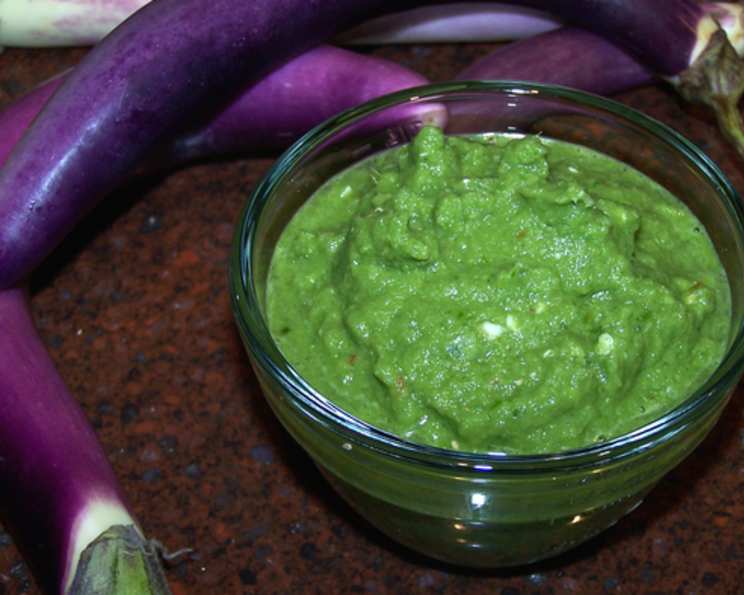
Vibrant Thai Green Curry Paste: A Homemade Symphony of Flavors
The memory is etched in my mind: the bustling Bangkok market, overflowing with exotic produce and the intoxicating aroma of spices. It was there, under the watchful eye of a wizened street food vendor, that I first truly understood the magic of Thai green curry. She pounded the ingredients with rhythmic precision, coaxing out the essential oils and building a flavor profile that was both fiery and fragrant. Every spoonful of the curry she served was a vibrant explosion, a testament to the power of fresh, homemade paste. Recreating that experience in my own kitchen has become a passion, and this recipe is my tribute to that culinary revelation.
Recipe Overview
- Prep Time: 20 minutes
- Cook Time: 0 minutes (no cooking required for the paste itself)
- Total Time: 20 minutes
- Yields: 14-16 tablespoons
- Dietary Type: Vegan (if shrimp paste is omitted), Gluten-Free, Dairy-Free
Ingredients
- 10-12 green chilies, deseeded and finely chopped
- 2 stalks fresh lemongrass, stalks trimmed and outer layer removed, finely chopped
- 2 inches fresh gingerroot, peeled and finely grated
- 6 garlic cloves, finely chopped
- 4 shallots, finely chopped
- 4 kaffir lime leaves
- 1 teaspoon shrimp paste (optional)
- 1 teaspoon ground coriander
- 1 teaspoon ground cumin
- 1 teaspoon paprika
- ¼ cup fresh cilantro, 1 large handful
- ¼ cup fresh basil, 1 handful
- 2 tablespoons olive oil
- 2 limes, juice and zest of
- ½ teaspoon fresh ground black pepper
Equipment Needed
- Blender or Food Processor
- Bowl
- Airtight container or small freezer bags
Instructions
- Begin by preparing all your ingredients. Deseed and finely chop the green chilies. Remember that the number of chilies you use will determine the heat level of your paste. Adjust accordingly to your spice preference.
- Trim the lemongrass stalks, removing the tough outer layers, and finely chop the tender inner core. The fibrous outer layers can be used to infuse soups and broths with a subtle citrusy aroma.
- Peel and finely grate the fresh gingerroot. Fresh ginger is crucial for that characteristic Thai flavor, so avoid using powdered ginger.
- Finely chop the garlic cloves and shallots. Mincing them finely ensures they blend seamlessly into the paste.
- Gather your kaffir lime leaves. These leaves add a unique citrusy fragrance that’s essential to authentic Thai green curry. If you can’t find fresh kaffir lime leaves, dried ones can be used, but their flavor is less intense.
- Measure out the shrimp paste (if using). Shrimp paste adds a savory umami depth to the paste, but it’s optional for a vegan version.
- Measure out the ground coriander, ground cumin, and paprika. These spices contribute to the warmth and complexity of the curry paste.
- Roughly chop the fresh cilantro and fresh basil. Don’t worry about chopping them too finely, as they will be blended.
- Measure out the olive oil, lime juice, and lime zest. The olive oil helps to bind the ingredients together, while the lime juice and zest add acidity and brightness.
- Finally, measure out the fresh ground black pepper.
- Now for the fun part! Using a blender or food processor, combine all the prepared ingredients.
- Blend until you achieve a smooth paste. You may need to scrape down the sides of the blender or food processor occasionally to ensure everything is evenly incorporated. If the mixture is too thick, add a little more olive oil, a teaspoon at a time, until it reaches the desired consistency. The goal is a vibrant, emerald-green paste with a slightly coarse texture.
- Transfer the finished paste into a bowl.
- Cover the bowl tightly with plastic wrap or a lid.
- Chill the paste in the refrigerator until required. Chilling allows the flavors to meld and deepen.
Expert Tips & Tricks
- Spice Level: Adjust the number of green chilies based on your heat preference. For a milder paste, remove the seeds and membranes from the chilies completely. For a fiery paste, use more chilies and leave the seeds intact.
- Freshness is Key: The quality of your ingredients will directly impact the flavor of your curry paste. Use the freshest herbs and spices you can find for the best results.
- Toast Your Spices: For an even deeper flavor, lightly toast the ground coriander, cumin, and paprika in a dry pan over medium heat for a minute or two before adding them to the blender. Be careful not to burn them.
- Pound, Don’t Blend (Optional): For an even more authentic flavor, consider using a mortar and pestle instead of a blender or food processor. The traditional method of pounding the ingredients releases their essential oils more effectively, resulting in a more complex and nuanced flavor.
- Don’t Be Afraid to Taste: As you’re blending, taste the paste and adjust the seasonings as needed. Add more lime juice for acidity, shrimp paste for umami, or chilies for heat.
- Make-Ahead Magic: This curry paste can be made several days in advance and stored in the refrigerator. The flavors will actually improve over time.
Serving & Storage Suggestions
Thai green curry paste is the foundation for countless delicious dishes. Use it to create authentic green curries with chicken, beef, tofu, or vegetables. You can also use it as a marinade for grilled meats or as a flavor boost for soups and stir-fries.
To store:
- Refrigerator: In an airtight container, the paste will keep for up to 1 week in the refrigerator.
- Freezer: For longer storage, divide the paste into small portions (ice cube trays work well) and freeze in freezer bags for up to 3 months. Thaw in the refrigerator before using. Freezing may slightly alter the texture of the paste, but the flavor will remain largely intact.
Nutritional Information
Note: Nutritional information is an estimate and may vary depending on the specific ingredients used.
| Nutrient | Amount per Serving | % Daily Value |
|---|---|---|
| Calories | 39 kcal | 2% |
| Total Fat | 2 g | 3% |
| Saturated Fat | 0 g | 1% |
| Cholesterol | 0 mg | 0% |
| Sodium | 4 mg | 0% |
| Total Carbohydrate | 5 g | 2% |
| Dietary Fiber | 1 g | 4% |
| Sugars | 2 g | 4% |
| Protein | 1 g | 2% |
Variations & Substitutions
- Vegan Version: Omit the shrimp paste for a completely vegan curry paste. You can add a tablespoon of miso paste or a pinch of sea salt to compensate for the umami flavor.
- Spicier Paste: Use hotter chilies, such as bird’s eye chilies, for a more intense heat.
- Milder Paste: Use milder chilies, such as Anaheim peppers, or remove the seeds and membranes from the chilies completely.
- Herb Variations: Experiment with different herbs, such as Thai basil or mint, to create unique flavor profiles.
- Lemongrass Substitute: If you can’t find fresh lemongrass, you can use lemongrass paste, but the flavor will not be as intense.
- Kaffir Lime Leaves Substitute: If you can’t find fresh kaffir lime leaves, you can use the zest of one lime as a substitute, but the flavor will be slightly different.
FAQs (Frequently Asked Questions)
Q: Can I make this curry paste ahead of time?
A: Absolutely! In fact, the flavors meld and deepen over time, making it even better. Store it in an airtight container in the refrigerator for up to a week or freeze it for longer storage.
Q: What if I can’t find kaffir lime leaves?
A: Kaffir lime leaves add a distinctive citrusy aroma. If unavailable, use the zest of one lime as a substitute, but the flavor won’t be quite the same.
Q: How spicy is this curry paste?
A: The spice level depends on the chilies you use. For a milder paste, remove the seeds and membranes or use milder chilies. For a spicier paste, leave the seeds in or use hotter chilies.
Q: Can I use dried herbs instead of fresh?
A: Fresh herbs are best for their vibrant flavor, but in a pinch, you can use dried herbs. Use about one-third the amount of dried herbs as you would fresh herbs.
Q: What can I use this curry paste for?
A: This paste is incredibly versatile! Use it as a base for Thai green curry, as a marinade for meats or vegetables, or as a flavor enhancer for soups and stir-fries.
Final Thoughts
Making your own Thai green curry paste is an incredibly rewarding experience. The aroma that fills your kitchen as you blend the fresh herbs and spices is simply intoxicating, and the flavor of the finished dish is far superior to anything you can buy in a jar. So, gather your ingredients, unleash your inner chef, and create a culinary masterpiece that will transport you straight to the vibrant streets of Thailand. Don’t hesitate to experiment with different variations and substitutions to create a paste that perfectly suits your taste. And most importantly, share your creations with friends and family! They’ll be impressed by your culinary skills.