
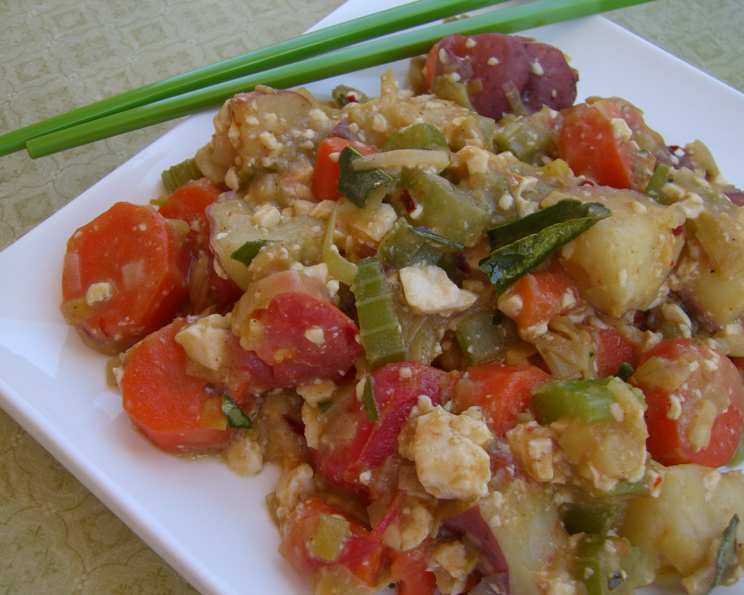
Emerald Delight: Mastering the Art of Thai Green Curry
The first time I tasted Thai green curry, I was backpacking through Southeast Asia. The fragrant steam rising from the bowl, the vibrant green hue, and the explosion of flavors – spicy, sweet, savory, and creamy all at once – completely captivated me. Sitting on a rickety stool at a bustling night market in Chiang Mai, I knew I had discovered something truly special. I spent the rest of my trip trying to recreate that magical experience, learning from street vendors and home cooks alike. This recipe is a culmination of those adventures, bringing the authentic taste of Thailand to your kitchen.
Recipe Overview
- Prep Time: 15 minutes
- Cook Time: 20 minutes
- Total Time: 35 minutes
- Servings: 2
- Dietary Type: **Dairy-Free
Ingredients
- 2 chicken breast halves
- 3 shallots, minced
- 2 garlic cloves, minced
- 1-inch piece of gingerroot, minced
- 1 tablespoon green curry paste (adjust to your spice preference)
- 1 (13 1/2 ounce) can coconut milk (full-fat recommended for richness)
- 1/3 cup chicken broth (vegetable broth for a vegetarian option)
- 1 tablespoon packed brown sugar
- 1 tablespoon fish sauce (soy sauce or tamari for a vegetarian option)
- 1/4 teaspoon salt (or to taste)
Equipment Needed
- Skillet or wok
- Cutting board
- Knife
- Measuring spoons and cups
Instructions
-
Begin by preparing the chicken. Cut the chicken breast halves into bite-sized slices or cubes, about 1-inch in size. This will ensure even cooking and allow the chicken to absorb the delicious flavors of the curry.
-
Heat a skillet or wok over medium-high heat. Once the pan is hot, add the sliced chicken and minced shallots.
-
Cook the chicken for approximately 5 minutes on each side, or until it is lightly browned but not fully cooked through. The goal here is to sear the chicken and develop some flavor, as it will continue to cook in the curry sauce.
-
Add the minced garlic, minced ginger, and green curry paste to the skillet. Stir continuously to combine all the ingredients, ensuring that the chicken is evenly coated with the fragrant paste. Cook for about 1 minute, allowing the aromatics to release their full potential. Be careful not to burn the garlic or ginger.
-
Pour in the coconut milk, chicken broth, packed brown sugar, fish sauce, and salt. Stir well to dissolve the brown sugar and salt, and to ensure that all the ingredients are thoroughly mixed together.
-
Increase the heat until the mixture comes to a gentle boil, then immediately reduce the heat to a simmer. Let the curry simmer for 10 minutes, stirring occasionally. This allows the flavors to meld and deepen, creating a rich and complex sauce.
-
If you prefer a thicker sauce, you can create a slurry by whisking together 2 tablespoons of flour, or 1 tablespoon of cornstarch, with a little bit of the curry sauce in a separate bowl until smooth. Gradually stir the slurry back into the skillet and continue to simmer until the sauce thickens to your desired consistency.
-
Taste the curry and adjust the seasoning as needed. You may want to add more fish sauce for saltiness, brown sugar for sweetness, or green curry paste for more spice.
-
Serve hot, garnished with fresh basil leaves (optional).
Expert Tips & Tricks
- Spice Level: Adjust the amount of green curry paste to control the spiciness of the dish. Start with a smaller amount and add more to taste. Remember that the heat will intensify as the curry simmers.
- Coconut Milk: Use full-fat coconut milk for a richer and creamier curry. If you prefer a lighter version, you can use light coconut milk, but the flavor and texture will be slightly different.
- Aromatics: Don’t skip the fresh shallots, garlic, and ginger. These ingredients are essential for building the authentic flavor of Thai green curry.
- Vegetable Additions: Feel free to add your favorite vegetables to the curry. Some popular choices include bell peppers, bamboo shoots, eggplant, green beans, broccoli, and peas. Add the vegetables during the last 5-7 minutes of cooking time, depending on their desired level of tenderness.
- Protein Variations: You can substitute the chicken with other proteins, such as shrimp, tofu, or beef. Adjust the cooking time accordingly.
Serving & Storage Suggestions
Serve the Thai green curry hot over steamed jasmine rice. Garnish with fresh basil leaves, a squeeze of lime juice, and a sprinkle of chopped peanuts for added flavor and texture.
Leftover curry can be stored in an airtight container in the refrigerator for up to 3 days. To reheat, gently warm the curry in a saucepan over medium heat, stirring occasionally. You may need to add a splash of water or broth to thin the sauce if it has thickened during storage. The curry can also be frozen for longer storage (up to 2 months). Thaw it in the refrigerator overnight before reheating.
Nutritional Information
(Estimated per serving, without rice)
| Nutrient | Amount per Serving | % Daily Value |
|---|---|---|
| Calories | 450 kcal | 23% |
| Total Fat | 30g | 46% |
| Saturated Fat | 25g | 125% |
| Cholesterol | 75mg | 25% |
| Sodium | 700mg | 30% |
| Total Carbohydrate | 20g | 7% |
| Dietary Fiber | 3g | 12% |
| Sugars | 12g | |
| Protein | 30g | 60% |
Variations & Substitutions
- Vegetarian Green Curry: Substitute the chicken with tofu or tempeh and use vegetable broth instead of chicken broth. Replace the fish sauce with soy sauce or tamari.
- Vegan Green Curry: Follow the vegetarian substitutions above and ensure that your green curry paste is vegan-friendly (some may contain shrimp paste).
- Seafood Green Curry: Replace the chicken with shrimp, scallops, or a combination of seafood. Reduce the cooking time accordingly, as seafood cooks quickly.
- Spicy Green Curry: Add a pinch of chili flakes or a chopped Thai chili pepper to the curry for an extra kick.
- Creamy Green Curry: Add a splash of heavy cream or coconut cream at the end of cooking for an even richer and creamier sauce.
FAQs (Frequently Asked Questions)
Q: Can I make this curry ahead of time?
A: Yes, you can prepare the curry a day or two in advance. The flavors will actually meld together and deepen over time. Store it in an airtight container in the refrigerator and reheat before serving.
Q: What if I can’t find green curry paste?
A: Green curry paste is readily available in most Asian grocery stores and many mainstream supermarkets. If you can’t find it, you can substitute with red curry paste, but the flavor will be different.
Q: Can I use frozen vegetables?
A: Yes, you can use frozen vegetables in this curry. Add them during the last few minutes of cooking time, allowing them to thaw and heat through.
Q: How do I know when the chicken is cooked through?
A: The chicken is cooked through when it is no longer pink inside and the internal temperature reaches 165°F (74°C).
Q: Can I freeze this curry?
A: Yes, you can freeze this curry for up to 2 months. Thaw it in the refrigerator overnight before reheating. The texture of the vegetables may change slightly after freezing.
Final Thoughts
Thai green curry is a dish that truly embodies the art of balancing flavors. Its vibrant colors, aromatic spices, and creamy texture make it a feast for the senses. Don’t be intimidated by the list of ingredients – this recipe is surprisingly easy to make and can be customized to your liking. So gather your ingredients, embrace the aromas, and embark on a culinary journey to Thailand right in your own kitchen. I encourage you to try this recipe, experiment with different variations, and share your creations with friends and family. Pair it with a crisp, refreshing Sauvignon Blanc or a chilled Thai iced tea for the perfect meal. Enjoy!