
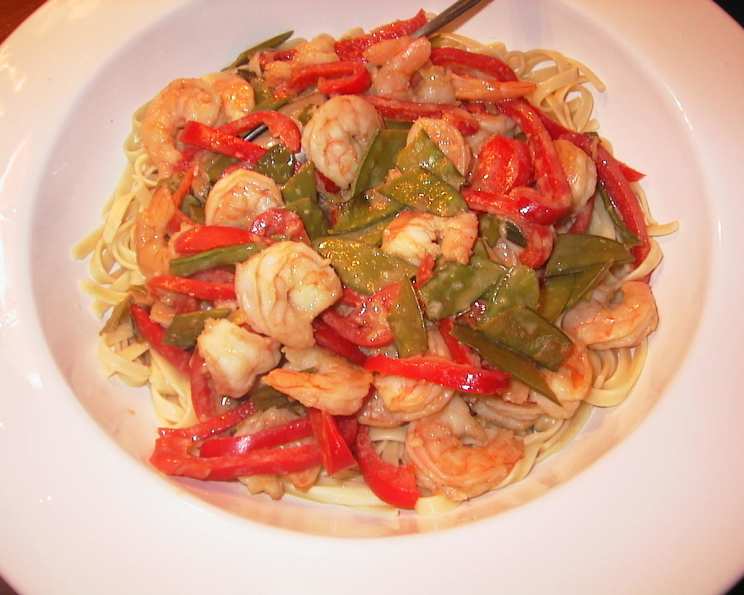
Thai It! You’ll Like It! – A Culinary Adventure
The aroma of ginger and garlic sizzling in sesame oil instantly transports me back to my college days. Late-night study sessions were often fueled by variations of this dish, a quick and satisfying meal cobbled together from whatever vegetables were lurking in the crisper drawer. It was a far cry from authentic Thai cuisine, but the sweet and savory peanut sauce, tossed with perfectly cooked noodles and a protein boost, was undeniably comforting and delicious. We tweaked it endlessly, sometimes adding a splash of sriracha for a kick, other times using rice noodles for a gluten-free option. The possibilities were, and still are, endless!
Recipe Overview
- Prep Time: 15 minutes
- Cook Time: 15 minutes
- Total Time: 30 minutes
- Servings: 4
- Yield: About 6 cups
- Dietary Type: Dairy-Free (can be made Gluten-Free)
Ingredients
- 12 ounces uncooked fettuccine or 12 ounces linguine (can also use rice noodles, spaghetti, or any other noodle of your choice)
- 2 cups sliced red bell peppers (sliced in thin, long strips)
- 1 cup snow peas, trimmed and halved
- 1/3 cup chopped green onion
- 1/2 cup low-sodium low-fat chicken broth
- 2 teaspoons sesame oil
- 2 tablespoons reduced-fat peanut butter (or soy nut butter)
- 1 1/2 tablespoons reduced sodium soy sauce
- 1 tablespoon white vinegar or 1 tablespoon rice vinegar
- 1 teaspoon grated gingerroot
- 1 clove garlic, minced
- 1/2 teaspoon crushed red pepper flakes (optional)
- 1 lb cooked shrimp (or chopped cooked chicken breast)
Equipment Needed
- Large pot
- Large saucepan
- Colander
Instructions
-
Cook the pasta: Begin by cooking the fettuccine or linguine according to the package directions. It’s crucial to avoid overcooking the pasta, as it will continue to soften once tossed with the sauce. Aim for al dente – slightly firm to the bite. Once cooked, drain the pasta thoroughly and set aside to keep warm. A simple trick to keep the pasta from sticking is to toss it with a teaspoon of sesame oil while it’s still hot.
-
Prepare the vegetables: While the pasta is cooking, take the opportunity to prepare the vegetables. Slice the red bell peppers into thin, long strips. Trim and halve the snow peas. Chop the green onion. Having all the ingredients prepped and ready to go makes the cooking process much smoother.
-
Create the sauce base: In a large saucepan, combine the red bell peppers, snow peas, green onion, low-sodium low-fat chicken broth, sesame oil, reduced-fat peanut butter, reduced sodium soy sauce, white vinegar (or rice vinegar), grated gingerroot, minced garlic, and crushed red pepper flakes (if using). Ensure all ingredients are well combined.
-
Simmer the sauce: Bring the mixture to a boil over medium-high heat. Once boiling, reduce the heat to medium and allow the sauce to simmer. Cook and stir for 3-4 minutes, or until the vegetables are crisp-tender and the sauce is bubbly and slightly thickened. Regular stirring prevents the peanut butter from sticking to the bottom of the pan and burning.
-
Add the protein: Stir in the cooked shrimp (or chopped cooked chicken breast) into the sauce. Cook just until the protein is heated through, about 1-2 minutes. Be careful not to overcook the shrimp, as it will become rubbery. For chicken, ensure it is already fully cooked before adding it to the sauce.
-
Combine and serve: Toss the hot shrimp (or chicken) sauce with the cooked pasta. Ensure the pasta is well coated with the sauce. Serve immediately.
Expert Tips & Tricks
-
Spice it up: For a spicier dish, add a pinch of cayenne pepper or a dash of sriracha to the sauce.
-
Nut Butter Alternatives: If you have a peanut allergy, substitute the peanut butter with almond butter, sunflower seed butter, or even tahini for a slightly different, but equally delicious, flavor profile.
-
Vegetable Variations: Feel free to add other vegetables, such as broccoli florets, sliced carrots, or bean sprouts, to the sauce.
-
Make-Ahead Tip: The sauce can be prepared in advance and stored in the refrigerator for up to 2 days. Simply reheat the sauce before adding the protein and tossing with the pasta.
-
Adjust the sauce: If the sauce is too thick, add a little more chicken broth to thin it out. If it’s too thin, simmer for a few more minutes to allow it to reduce and thicken.
Serving & Storage Suggestions
Serve this dish immediately while it’s hot and the pasta is perfectly coated in the flavorful sauce. Garnish with extra chopped green onions or a sprinkle of toasted sesame seeds for added visual appeal. Leftovers can be stored in an airtight container in the refrigerator for up to 3 days. To reheat, microwave gently or stir-fry in a pan with a little extra chicken broth to prevent the pasta from drying out. Freezing is not recommended as the noodles become mushy when thawed.
Nutritional Information
| Nutrient | Amount per Serving | % Daily Value |
|---|---|---|
| Calories | 544.4 kcal | N/A |
| Calories from Fat | N/A | 17% |
| Total Fat | 10.6 g | 16% |
| Saturated Fat | 2.4 g | 11% |
| Cholesterol | 292.7 mg | 97% |
| Sodium | 548.2 mg | 22% |
| Total Carbohydrate | 72 g | 24% |
| Dietary Fiber | 5.7 g | 22% |
| Sugars | 6.8 g | N/A |
| Protein | 40 g | 80% |
Note: Nutritional information is an estimate and may vary based on specific ingredients and portion sizes.
Variations & Substitutions
- Gluten-Free: Use rice noodles or another gluten-free pasta option. Ensure that the soy sauce is also gluten-free (tamari is a good choice).
- Vegan: Substitute the shrimp or chicken with tofu or tempeh. Use vegetable broth instead of chicken broth.
- Spicy Peanut Sauce: Add a tablespoon of chili garlic sauce or a pinch of red pepper flakes for extra heat.
- Coconut Milk: Replace some of the chicken broth with coconut milk for a creamier, richer sauce.
- Seasonal Vegetables: Adapt the recipe to use seasonal vegetables like asparagus in spring, zucchini in summer, or butternut squash in fall.
FAQs (Frequently Asked Questions)
Q: Can I use pre-cooked shrimp for this recipe?
A: Yes, using pre-cooked shrimp is perfectly fine and will save you time. Just be sure not to overcook it when adding it to the sauce, as it can become rubbery.
Q: How can I make this recipe less spicy?
A: Simply omit the crushed red pepper flakes or reduce the amount. You can also add a touch of honey or maple syrup to the sauce to balance the spice.
Q: What if I don’t have fresh gingerroot?
A: You can use ground ginger as a substitute. Use about 1/2 teaspoon of ground ginger for every teaspoon of fresh grated gingerroot.
Q: Can I use a different type of noodle?
A: Absolutely! This recipe is very versatile. Feel free to use any type of noodle you prefer, such as spaghetti, ramen noodles, or even soba noodles.
Q: Is it possible to make this dish ahead of time?
A: While it’s best served immediately, you can prepare the sauce ahead of time and store it in the refrigerator for up to 2 days. Cook the pasta just before serving to prevent it from becoming soggy.
Final Thoughts
This “Thai It! You’ll Like It!” recipe is more than just a collection of ingredients and instructions; it’s an invitation to experiment, to play with flavors, and to create a dish that reflects your own culinary preferences. Don’t be afraid to deviate from the recipe, to add your own special touch, and to make it your own. Share your creations with friends and family, and most importantly, have fun in the kitchen! I hope this dish brings you as much joy and satisfaction as it has brought me over the years. Enjoy!