
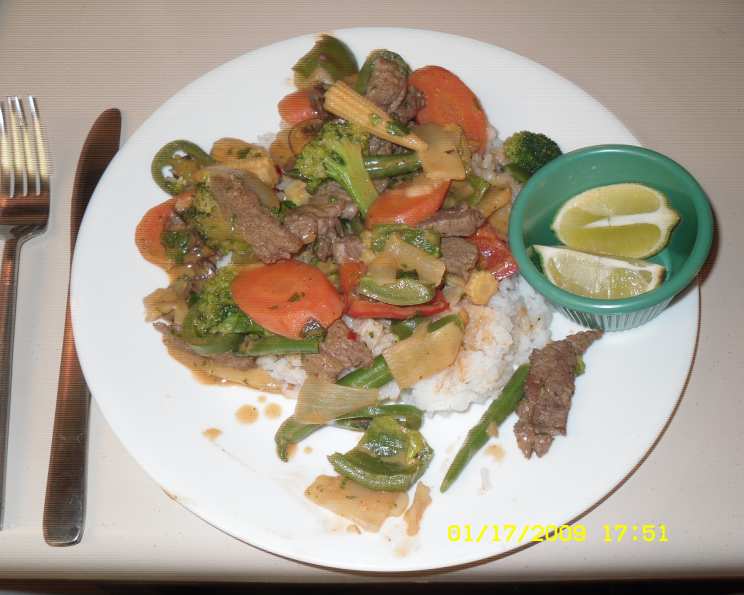
Thai Panang Curry: A Gourmet Culinary Journey
The first time I tasted Panang curry was in a tiny, unassuming restaurant tucked away in Bangkok’s bustling Chatuchak market. The air hung thick with the scent of lemongrass, chili, and fish sauce. I ordered without hesitation, drawn in by the vibrant description on the hand-written menu. What arrived was a symphony of flavors – creamy coconut milk, the fiery kick of red curry, the subtle sweetness of palm sugar, and the tender richness of slow-cooked beef. It was a culinary epiphany, an experience that forever changed my understanding of Thai cuisine and ignited a passion to recreate that magic in my own kitchen. This recipe, born from years of experimentation and countless bowls of curry, brings that very experience to your table.
Recipe Overview
- Prep Time: 30 minutes
- Cook Time: 45 minutes
- Total Time: 1 hour 15 minutes
- Servings: 6
- Dietary Type: Can be adapted to Gluten-Free and Dairy-Free
Ingredients
For the Sauce:
- 1 (13 1/2 ounce) can coconut milk
- 2 1/2 tablespoons red curry paste
- 2 tablespoons brown sugar
- 2 tablespoons crunchy peanut butter (For a richer, peanut sauce flavor, use 2 tablespoons of prepared peanut sauce and add a handful of chopped peanuts.)
- 1 pinch red pepper flakes (For more heat, use 2 fresh red chili peppers, finely sliced.)
- Salt, to taste
- Pepper, to taste
For the Meat:
- 1 lb rump steak, sliced 1/4 inch to 1/8 inch thick
- 1/2 tablespoon sesame oil
- 1/2 tablespoon canola oil
- 1 tablespoon Chinese five spice powder
For the Vegetables:
- 4 quarts water
- 2 pinches sea salt
- 2 1/2 ounces water chestnuts, sliced
- 2 1/2 ounces bamboo shoots, sliced
- 1/2 red bell pepper, cut into two 1-inch rings then cut each ring into 6 pieces
- 1/2 green bell pepper, cut into two 1-inch rings then cut each ring into 6 pieces
- 3-4 ounces broccoli crown, slice each flower once down the middle
- 3-4 ounces sugar snap peas, in pod
- 1/2 – 3/4 large carrot, sliced diagonally about 1/4 inch thick
- 1/2 white onion, cut into wedges and separated
- 3 1/2 ounces baby corn, cut in half
- 4 ounces of your favorite oriental mushrooms (Oyster, sliced, or Button, whole, work well)
- 1-2 fresh jalapeno, sliced (Adjust amount to your desired level of heat.)
- 1 ounce fresh mint, finely chopped
- 1-2 ounce fresh Thai basil (If using normal basil, finely chop 1 ounce basil with 1 ounce parsley)
- 1 garlic clove, minced
- 1/2 tablespoon canola oil
- 1/2 tablespoon peanut oil
- 1-2 lime wedges, served on the side
Equipment Needed
- Large pot
- Wok or large skillet
- Roasting pan
- Mixing bowl
- Whisk
Instructions
- Roast the Peppers: Preheat your oven to 350 degrees Fahrenheit (175 degrees Celsius). Place the green and red bell peppers on a roasting pan and roast for 8-10 minutes. This enhances their sweetness and adds a slightly smoky flavor. Set aside to cool slightly before handling.
- Blanch the Vegetables: Bring 4 quarts of water to a boil in a large pot. Add 2 pinches of sea salt. First, blanch the broccoli and carrot for a few minutes. After a few minutes, add the snap peas. Blanching briefly cooks the vegetables while retaining their vibrant color and crisp texture.
- Strain and Cool: Immediately strain the blanched vegetables and submerge them in cool water or ice water to stop the cooking process. This is crucial for preventing them from becoming mushy. Set aside.
- Sauté Aromatics: In a wok or large skillet, heat 1/2 tablespoon of canola oil and 1/2 tablespoon of peanut oil over medium heat. Add the onion and jalapenos and sauté until the onion becomes translucent and slightly tan.
- Add Garlic and Mushrooms: Add the minced garlic and mushrooms to the wok and continue to sauté until the onions are nicely browned and the mushrooms are tender. Set this mixture aside.
- Prepare the Sauce: In a medium saucepan, combine the coconut milk, red curry paste, brown sugar, peanut butter, and red pepper flakes. Whisk together over medium heat until the sugar and peanut butter are fully dissolved and the sauce is smooth.
- Simmer the Sauce: Once the sauce comes to a boil, reduce the heat to low and let it simmer, stirring occasionally, for about 10-15 minutes. This allows the flavors to meld together and deepen.
- Sauté the Meat: In the same wok or skillet you used for the aromatics, heat 1/2 tablespoon of sesame oil and 1/2 tablespoon of canola oil over medium-high heat. Add the sliced rump steak and Chinese five spice powder. Sauté until the steak is cooked through and slightly browned. Set aside. Be careful not to overcrowd the pan, as this will steam the meat rather than sear it. Cook in batches if necessary.
- Combine Ingredients: Add the sautéed meat, blanched vegetables, sautéed aromatics, water chestnuts, bamboo shoots, and baby corn to the simmering sauce. Stir gently to combine all the ingredients.
- Finishing Touches: Just before serving, stir in the chopped fresh mint and Thai basil (or the basil/parsley mixture). Fresh herbs add a burst of aroma and freshness to the curry.
- Serve: Serve the Panang curry hot over rice or rice noodles. I personally prefer rice noodles for their delicate texture. You can also add a duck egg or a couple of quail eggs for extra richness. To prepare the eggs, either scramble them and add them to the curry, or scramble them and drop them into boiling water for a few seconds to create poached egg “ribbons” to garnish the rice. Serve with lime wedges on the side for an extra zing.
Expert Tips & Tricks
- Spice Level Adjustment: Adjust the amount of red curry paste and jalapenos to your preferred spice level. Remember that the flavor will intensify as the curry simmers.
- Meat Tenderness: For extra tender steak, consider marinating it in a mixture of soy sauce, ginger, and garlic for at least 30 minutes before cooking.
- Vegetable Texture: Blanching the vegetables is key to maintaining their crisp-tender texture. Avoid overcooking them, as they will become mushy in the sauce.
- Coconut Milk Quality: Use full-fat coconut milk for the richest and creamiest sauce. If you prefer a lighter curry, you can use light coconut milk, but the flavor will be less intense.
- Make-Ahead Tip: The sauce can be made ahead of time and stored in the refrigerator for up to 3 days. Simply reheat before adding the meat and vegetables.
Serving & Storage Suggestions
Serve the Thai Panang Curry hot, garnished with extra fresh Thai basil and a squeeze of lime juice. It pairs beautifully with a side of jasmine rice or rice noodles.
Leftovers can be stored in an airtight container in the refrigerator for up to 3 days. Reheat gently in a saucepan over medium heat, adding a splash of coconut milk or water if needed to loosen the sauce. While freezing is possible, it can alter the texture of the vegetables, so it’s best enjoyed fresh.
Nutritional Information
Note: Nutritional information is an estimate and may vary based on specific ingredients and portion sizes.
| Nutrient | Amount per Serving | % Daily Value |
|---|---|---|
| Calories | 450 kcal | 23% |
| Total Fat | 30g | 46% |
| Saturated Fat | 16g | 80% |
| Cholesterol | 50mg | 17% |
| Sodium | 350mg | 15% |
| Total Carbohydrate | 28g | 9% |
| Dietary Fiber | 6g | 24% |
| Sugars | 14g | N/A |
| Protein | 24g | 48% |
Variations & Substitutions
- Vegan Panang Curry: Substitute the steak with tofu or tempeh. Ensure the red curry paste is vegan-friendly, as some contain fish sauce.
- Gluten-Free Panang Curry: Use gluten-free soy sauce or tamari in place of regular soy sauce, and ensure your red curry paste is gluten-free. Serve with rice or gluten-free noodles.
- Seafood Panang Curry: Replace the steak with shrimp, scallops, or a combination of seafood. Adjust cooking times accordingly, as seafood cooks much faster.
- Chicken Panang Curry: Substitute the steak with chicken thighs or breasts, cut into bite-sized pieces.
FAQs (Frequently Asked Questions)
Q: Can I use a different type of meat in this curry?
A: Absolutely! Chicken, pork, beef, or even shrimp would work well in this Panang curry. Just adjust the cooking time accordingly.
Q: Can I make this curry ahead of time?
A: Yes, you can prepare the sauce and vegetables a day in advance. Store them separately in the refrigerator and combine them with the cooked meat just before serving.
Q: What if I don’t have Thai basil?
A: If you can’t find Thai basil, a combination of regular basil and parsley will work as a substitute, although the flavor will be slightly different.
Q: How do I adjust the spice level of this curry?
A: Control the amount of red curry paste and fresh jalapenos used to adjust the spice level. Start with a smaller amount and add more to taste.
Q: What should I serve with Panang Curry?
A: Jasmine rice or rice noodles are the traditional accompaniments. You can also serve it with a side of steamed vegetables or a fresh cucumber salad.
Final Thoughts
Now it’s your turn to embark on this culinary adventure and recreate the magic of Thai Panang Curry in your own kitchen. This recipe is a testament to the vibrant flavors and rich traditions of Thai cuisine. Don’t be afraid to experiment with different vegetables or protein sources to make it your own. Share your creations and experiences, and let the aroma of this exquisite dish fill your home with warmth and joy!