
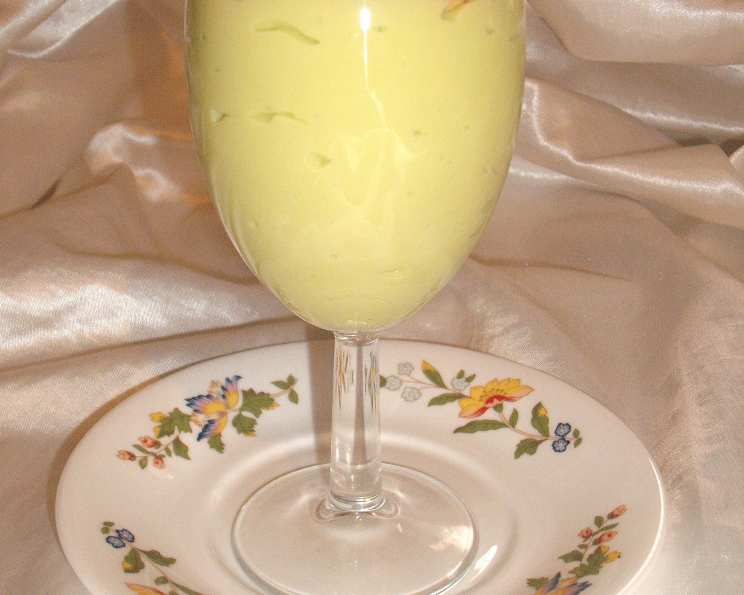
Thai Pandan Custard: Aromatic Delight from My Kitchen
The scent of pandan always transports me back to my grandmother’s kitchen in Bangkok. I remember standing on a stool, mesmerized as she expertly folded the fragrant leaves into delicate dessert cups. The vibrant green color and the sweet, almost vanilla-like aroma filled the air, promising a treat that was both comforting and exotic. Her pandan custard, smooth and creamy, was a family favorite, and this recipe is my attempt to recreate that cherished memory, bringing a taste of Thailand to your home.
Recipe Overview
- Prep Time: 10 minutes
- Cook Time: 20 minutes
- Total Time: 30 minutes
- Servings: 2
- Yields: 2 bowls
- Dietary Type: Vegetarian
Ingredients
- 2 large eggs
- 1 1/4 cups coconut cream (see notes below)
- 3/4 cup sugar
- 1/4 cup skim milk
- 5 drops pandan paste, mixed with 1/4 cup water (or use fresh pandan leaf extract, see notes below)
Ingredient Notes:
- Coconut Cream: To obtain coconut cream from a can of coconut milk, refrigerate the can for at least 2 hours. Then, carefully scoop the thick cream that has solidified at the top, leaving the watery liquid behind.
- Pandan Paste/Extract: If you have access to fresh pandan leaves, you can make your own extract by blending a handful of chopped leaves with a little water, then straining the mixture. The resulting liquid will have a more subtle, natural flavor compared to the paste.
Equipment Needed
- Mixing bowl
- Whisk
- Double boiler (or a heatproof bowl and a saucepan)
- Two small serving bowls
Instructions
- Begin by cracking the two eggs into a mixing bowl. Whisk them lightly until they are just combined. Avoid over-whisking, as this can incorporate too much air and affect the custard’s texture.
- Prepare the coconut cream. If using canned coconut milk, refrigerate it beforehand as described in the ingredient notes. Carefully scoop out the thick coconut cream – you’ll need 1 1/4 cups. Discard the remaining watery liquid, or save it for another use, like smoothies.
- Add the coconut cream and 3/4 cup of sugar to the bowl with the eggs. Whisk everything together until the sugar is completely dissolved. This is crucial to ensure a smooth, grit-free custard.
- Pour the mixture into the top of a double boiler. If you don’t have a double boiler, you can create one by placing a heatproof bowl over a saucepan of simmering water, ensuring the bottom of the bowl doesn’t touch the water.
- Gently stir the mixture constantly over low heat. This is important to prevent the eggs from scrambling and to ensure the custard thickens evenly. The custard will gradually thicken as it heats up.
- Once the custard has noticeably thickened (it should coat the back of a spoon), add the 1/4 cup of skim milk. Mix well to incorporate the milk into the custard.
- Now, add the 5 drops of pandan paste (mixed with 1/4 cup of water). Alternatively, if using fresh pandan extract, add it to taste. Stir until the custard is evenly colored and fragrant.
- Continue stirring the custard until it reaches your desired thickness. Be careful not to overcook it, as it will continue to thicken slightly as it cools.
- Remove the custard from the heat and immediately transfer it to two smaller serving bowls. This will stop the cooking process and prevent it from becoming too thick.
- Allow the custard to cool to room temperature, then cover the bowls with plastic wrap and refrigerate for at least 30 minutes to allow it to set completely.
Expert Tips & Tricks
- Temperature Control: The key to a perfect custard is gentle heat. Avoid high heat, as it will cause the eggs to curdle and result in a lumpy texture.
- Strain for Perfection: For an extra-smooth custard, you can strain the mixture through a fine-mesh sieve before transferring it to the serving bowls. This will remove any small lumps or bits of cooked egg.
- Pandan Intensity: Adjust the amount of pandan paste or extract to your preference. Start with a small amount and add more until you reach the desired level of flavor. Remember that pandan extract can vary in strength.
- Preventing a Skin: To prevent a skin from forming on the surface of the custard while it cools, press a piece of plastic wrap directly onto the surface.
Serving & Storage Suggestions
Serve the Thai Pandan Custard chilled, either on its own or as a dipping sauce for warm bread, sweet rolls, or waffles. It’s also delicious served with fresh fruit or sticky rice.
Store leftover custard in an airtight container in the refrigerator for up to 3 days. It is best consumed fresh, as the texture may change slightly over time. While it can be frozen, freezing and thawing may affect the consistency of the custard, making it slightly grainy.
Nutritional Information
| Nutrient | Amount per Serving | % Daily Value |
|---|---|---|
| Calories | 366 kcal | 18% |
| Total Fat | 18.9g | 29% |
| Saturated Fat | 15.4g | 77% |
| Cholesterol | 106mg | 35% |
| Sodium | 90mg | 4% |
| Total Carbohydrate | 46.3g | 15% |
| Dietary Fiber | 2g | 8% |
| Sugars | 43.4g | – |
| Protein | 6.3g | 13% |
Note: Nutritional information is an estimate and may vary based on specific ingredients and preparation methods.
Variations & Substitutions
- Vegan Pandan Custard: Substitute the eggs with a mixture of cornstarch and silken tofu to achieve a similar creamy texture. Use a plant-based milk alternative like almond milk or oat milk instead of skim milk.
- Sweetness Level: Adjust the amount of sugar to your liking. If you prefer a less sweet custard, start with half the amount and add more to taste.
- Flavor Enhancements: Add a pinch of salt to the custard to enhance the sweetness and other flavors. A dash of vanilla extract can also complement the pandan flavor.
FAQs (Frequently Asked Questions)
Q: Can I use coconut milk instead of coconut cream?
A: While you can use coconut milk, the custard will be less rich and creamy. If using coconut milk, try reducing the amount of skim milk to compensate for the thinner consistency.
Q: How can I tell when the custard is done?
A: The custard is done when it coats the back of a spoon and leaves a clear line when you run your finger through it. Be careful not to overcook it, as it will continue to thicken as it cools.
Q: What if my custard becomes lumpy?
A: If your custard becomes lumpy, immediately remove it from the heat and whisk vigorously. You can also try straining it through a fine-mesh sieve to remove any lumps.
Q: Can I make this custard ahead of time?
A: Yes, you can make this custard up to 2 days in advance. Store it in an airtight container in the refrigerator until ready to serve.
Q: Can I use a different type of milk?
A: Yes, you can substitute the skim milk with whole milk or even half-and-half for a richer flavor. However, avoid using milk with a very low fat content, as it may result in a less creamy custard.
Final Thoughts
I hope this recipe brings a little bit of my grandmother’s kitchen and the vibrant flavors of Thailand to your table. This Thai Pandan Custard is a testament to the simple beauty of fresh ingredients and traditional techniques. Don’t be afraid to experiment with the flavors and adjust the recipe to your own liking. I encourage you to try this recipe, share your creations, and let me know what you think. Pair it with some grilled pineapple for a truly tropical experience, or enjoy it with a steaming cup of jasmine tea for a comforting treat any time of day. Enjoy!