
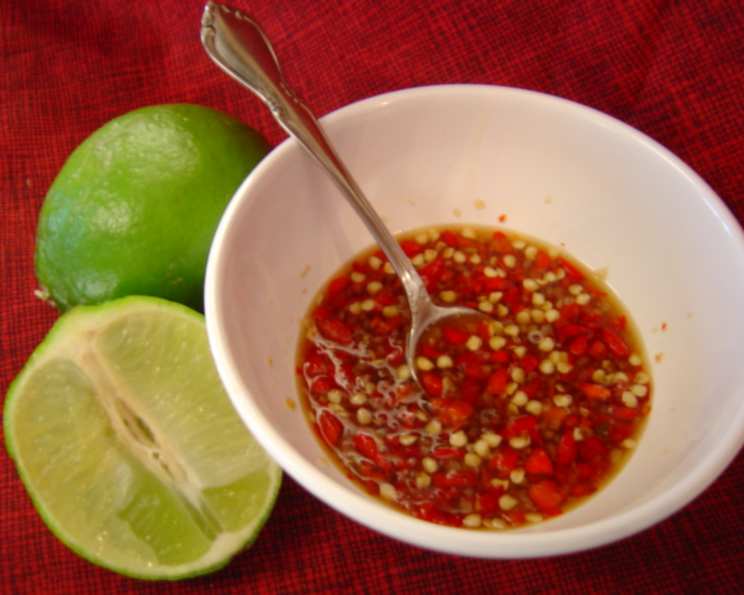
Thai Red Chile Sauce – Nam Prik Dang: A Taste of Thailand in Every Drop
The scent of my grandmother’s kitchen in Bangkok still lingers in my memory – a fragrant blend of galangal, lemongrass, and, most importantly, the sharp, vibrant aroma of chilies being pounded into a paste. She made Nam Prik Dang almost daily, a staple condiment that accompanied every meal, from simple rice dishes to elaborate feasts. Each spoonful was a reminder of home, a fiery embrace that awakened the senses and brought the flavors of Thailand to life. That same Nam Prik Dang is something I always crave.
Recipe Overview
- Prep Time: 10 minutes
- Cook Time: 5 minutes
- Total Time: 15 minutes
- Servings: Varies (approximately 1 cup)
- Yield: Approximately 1 cup
- Dietary Type: Varies (see notes)
Ingredients
- 24 Thai red chili peppers, chopped (Adjust amount based on desired spice level. For a milder sauce, remove seeds.)
- 2 teaspoons minced garlic
- 2 tablespoons brown sugar (Palm sugar is a traditional alternative)
- 2 ½ tablespoons fish sauce (For a vegan option, substitute with light soy sauce or a mixture of soy sauce and a pinch of seaweed flakes for umami.)
- 4 tablespoons fresh lime juice
Equipment Needed
- Blender or food processor
- Small saucepan (optional, for cooking)
- Airtight container for storage
Instructions
- Prepare the Chilies: Thoroughly wash and chop the Thai red chili peppers. If you prefer a less spicy sauce, remove the seeds and membranes before chopping. Remember to wear gloves when handling chilies to avoid skin irritation.
- Combine Ingredients: In a blender or food processor, combine the chopped Thai red chili peppers, minced garlic, brown sugar, fish sauce, and fresh lime juice.
- Blend Until Smooth: Pulse the mixture until it forms a coarse paste. Then, blend continuously until you achieve a smooth consistency. You may need to scrape down the sides of the blender occasionally to ensure all ingredients are fully incorporated.
- Cook (Optional): For a longer shelf life and a slightly mellowed flavor, you can cook the sauce. Pour the blended mixture into a small saucepan. Bring to a simmer over medium heat, then reduce the heat to low and cook for about 5 minutes, stirring constantly. This step is optional but recommended if you plan to store the Nam Prik Dang for more than a few days.
- Cool and Store: Allow the Nam Prik Dang to cool completely before transferring it to an airtight container. Store in the refrigerator.
Expert Tips & Tricks
- Spice Level Adjustment: The heat of the chilies varies. Taste a small piece of chili before using it to gauge the spiciness. You can reduce the number of chilies or remove the seeds for a milder sauce. Conversely, add a few extra chilies or a pinch of chili flakes for more heat.
- Sweetness Balance: The amount of brown sugar can be adjusted to balance the heat of the chilies and the sourness of the lime juice. Taste the sauce and add more sugar if needed, a teaspoon at a time.
- Umami Boost: For a deeper, more complex flavor, add a small piece of dried shrimp (soaked in warm water for 10 minutes and then drained) to the blender.
- Texture Variation: Some prefer a chunkier Nam Prik Dang. To achieve this, pulse the ingredients in the food processor instead of blending them until completely smooth.
- Homemade Garlic Paste: For a more intense garlic flavor, use homemade garlic paste instead of minced garlic. Simply blend peeled garlic cloves with a little oil until smooth.
Serving & Storage Suggestions
Nam Prik Dang is a versatile condiment that can be served with a variety of Thai and Asian dishes. It’s excellent with grilled meats, seafood, vegetables, and noodles. A small dollop can also add a kick to soups and stir-fries.
- Serving: Serve Nam Prik Dang in a small bowl alongside other condiments. It can be used as a dipping sauce or spooned directly onto food.
- Storage: Store Nam Prik Dang in an airtight container in the refrigerator. It will last for up to 2 weeks, or even longer if you cooked it. Check for any signs of spoilage before consuming. Freezing is not recommended, as it can alter the texture.
Nutritional Information
(Please note that the following values are estimates and can vary based on specific ingredients and serving sizes.)
| Nutrient | Amount per Serving (approx. 1 tbsp) | % Daily Value |
|---|---|---|
| Calories | 25 kcal | 1% |
| Total Fat | 0.5g | 1% |
| Saturated Fat | 0.1g | 0% |
| Cholesterol | 0mg | 0% |
| Sodium | 250mg | 10% |
| Total Carbohydrate | 5g | 2% |
| Dietary Fiber | 1g | 4% |
| Sugars | 4g | – |
| Protein | 0.5g | 1% |
Variations & Substitutions
- Vegan Nam Prik Dang: Substitute fish sauce with light soy sauce or a blend of soy sauce and a pinch of seaweed flakes for a similar umami flavor.
- Milder Nam Prik Dang: Use fewer chilies or substitute some of the Thai red chilies with milder varieties like Anaheim peppers.
- Nam Prik Pao Variation: For a sweeter and richer variation, add roasted shallots and garlic to the blender along with the other ingredients. Nam Prik Pao typically has a reddish-brown color and a slightly caramelized flavor.
- Regional Adaptations: In some regions of Thailand, palm sugar is preferred over brown sugar. You can also add other ingredients like tamarind paste or shrimp paste for a unique regional twist.
FAQs (Frequently Asked Questions)
Q: How spicy is this Nam Prik Dang recipe?
A: The spiciness depends on the heat of the chilies and the amount used. Start with fewer chilies and adjust to your preferred level of spiciness.
Q: Can I use dried chilies instead of fresh?
A: Yes, you can use dried chilies. Rehydrate them in warm water for about 30 minutes before blending.
Q: How long does Nam Prik Dang last in the refrigerator?
A: Properly stored in an airtight container, it will last for up to 2 weeks, or even longer if you cooked it.
Q: Can I make this in advance?
A: Absolutely! Nam Prik Dang can be made a few days in advance and stored in the refrigerator. The flavors will meld together even more over time.
Q: What dishes go well with Nam Prik Dang?
A: It’s fantastic with grilled meats, seafood, vegetables, noodles, rice dishes, soups, and stir-fries. It’s a versatile condiment that adds a spicy and flavorful kick to almost anything.
Final Thoughts
I hope you’ll try this recipe for Nam Prik Dang and experience the vibrant flavors of Thailand in your own kitchen. It’s a simple yet incredibly versatile condiment that can elevate any meal. Don’t be afraid to experiment with the ingredients and adjust the recipe to your liking. If you have any questions or suggestions, feel free to share them! Enjoy, and happy cooking!