
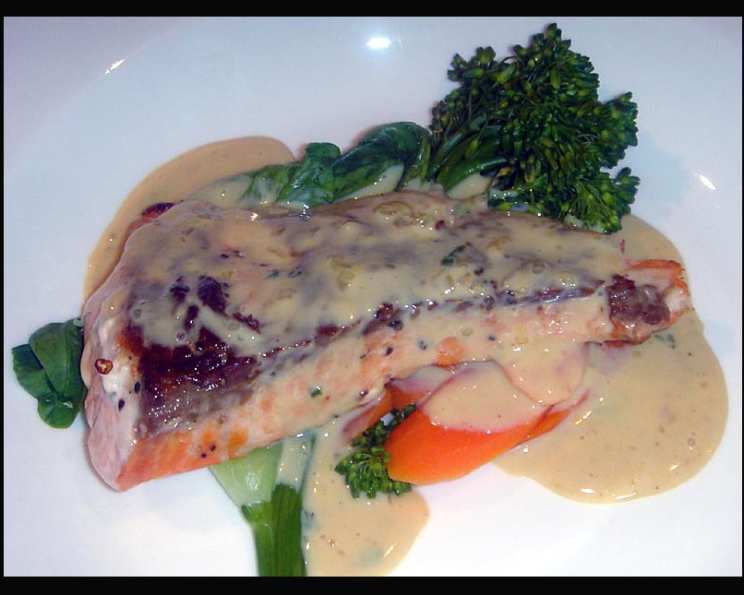
Thai Red Curry Coconut Sauce for Salmon: A Culinary Symphony
The first time I tasted a truly transcendent Thai curry, it wasn’t in a bustling Bangkok street market, but rather in a quiet, family-run restaurant nestled in a Seattle neighborhood. The aroma alone – a heady blend of lemongrass, ginger, and chili – transported me. But it was the creamy, subtly sweet coconut milk, perfectly balanced against the fiery curry paste, that completely captivated me. It clung delicately to the flaky grilled salmon, each bite a revelation. From that moment on, I was determined to recreate that magic in my own kitchen, and this recipe, born from snippets and memories, is my attempt to capture that unforgettable experience.
Recipe Overview
- Prep Time: 5 minutes
- Cook Time: 5 minutes
- Total Time: 10 minutes
- Servings: 4-6
- Yield: About 1 1/2 cups of sauce
- Dietary Type: Gluten-Free, Dairy-Free (if using compliant coconut milk)
Ingredients
- 1 cup unsweetened coconut milk
- 1 teaspoon Thai red curry paste
- 1 tablespoon light brown sugar
- 1 1/2 teaspoons fresh lime juice
- 1 pinch salt
- 2 teaspoons cornstarch
- 8 fresh basil leaves
Equipment Needed
- Small saucepan
- Whisk
- Knife
- Cutting board
- Small bowl
Instructions
- Begin by gathering all your ingredients. This will ensure a smooth and efficient cooking process. In a small saucepan, combine the coconut milk, Thai red curry paste, light brown sugar, fresh lime juice, and salt.
- Place the saucepan over medium heat. Gently stir the mixture together with a whisk until the brown sugar is fully dissolved and the curry paste is evenly distributed.
- Taste the sauce and adjust the seasoning to your liking. If you prefer a spicier sauce, add a little more red curry paste. For a sweeter sauce, add a touch more brown sugar. A squeeze more lime juice will brighten the flavors if needed.
- While the sauce is heating, prepare the cornstarch slurry. In a small bowl, whisk together the cornstarch with a small amount of cold water (about 1-2 tablespoons) until it forms a smooth, lump-free paste. This slurry will help thicken the sauce.
- Just before the salmon is done grilling or broiling, gently pour the cornstarch slurry into the simmering sauce. Stir continuously with a whisk until the sauce thickens and becomes glossy, coating the back of a spoon. This should only take a minute or two.
- Remove the saucepan from the heat. Stack the fresh basil leaves on top of each other and roll them tightly like a small cigar. Using a sharp knife, sliver the rolled basil crosswise into thin ribbons, creating a chiffonade.
- Gently drop the fresh basil ribbons into the thickened curry sauce. The warmth of the sauce will release the basil’s fragrant aroma.
- Keep the sauce warm, but be careful not to simmer it for an extended period, as this can cause the coconut milk to separate.
- Serve the flavorful Thai red curry coconut sauce immediately over your grilled or broiled salmon, alongside a bed of fluffy Jasmine or Basmati rice.
Expert Tips & Tricks
- For an even richer flavor, consider using full-fat coconut milk. However, unsweetened coconut milk offers a lighter option while still providing a creamy texture.
- If you’re sensitive to spice, start with a smaller amount of red curry paste (e.g., 1/2 teaspoon) and gradually add more to taste. Different brands of curry paste can vary significantly in heat levels.
- To enhance the aroma, lightly toast the red curry paste in the saucepan for about 30 seconds before adding the coconut milk. Be careful not to burn it, as this will result in a bitter taste.
- If the sauce becomes too thick, simply add a splash of coconut milk or water to thin it out.
- To prevent the coconut milk from separating, avoid boiling the sauce vigorously. Gentle simmering is key.
- For a brighter, fresher flavor, add a small piece of minced ginger or lemongrass to the sauce while it’s simmering. Remove before serving.
Serving & Storage Suggestions
Serve this Thai red curry coconut sauce immediately over grilled or broiled salmon. It pairs beautifully with Jasmine or Basmati rice, steamed vegetables like broccoli or green beans, and a sprinkle of toasted sesame seeds.
Leftover sauce can be stored in an airtight container in the refrigerator for up to 3 days. Reheat gently over low heat, stirring occasionally, until warmed through. Avoid boiling. You may need to add a splash of coconut milk or water to restore the sauce’s original consistency. This sauce is not recommended for freezing, as the coconut milk may separate upon thawing.
Nutritional Information
| Nutrient | Amount per Serving | % Daily Value |
|---|---|---|
| Calories | 130 kcal | 7% |
| Total Fat | 12g | 15% |
| Saturated Fat | 11g | 55% |
| Cholesterol | 0mg | 0% |
| Sodium | 48mg | 2% |
| Total Carbohydrate | 6g | 2% |
| Dietary Fiber | 0g | 0% |
| Sugars | 3g | 6% |
| Protein | 1g | 2% |
Nutritional information is an estimate and may vary based on specific ingredients and portion sizes.
Variations & Substitutions
- Vegetarian/Vegan: This sauce is naturally vegetarian and can easily be made vegan by ensuring your red curry paste is vegan-friendly (some contain fish sauce). Serve over grilled tofu or roasted vegetables instead of salmon.
- Spicier: Add a finely chopped Thai chili pepper to the sauce while it’s simmering for an extra kick.
- Sweeter: Substitute honey or maple syrup for the brown sugar, or add a touch of pineapple juice for a tropical twist.
- With Vegetables: Add chopped bell peppers, mushrooms, or bamboo shoots to the sauce for a heartier dish.
- Herbs: Experiment with other fresh herbs like cilantro or mint in addition to or instead of basil.
FAQs (Frequently Asked Questions)
Q: Can I make this sauce ahead of time?
A: Yes, you can prepare the sauce up to 24 hours in advance and store it in the refrigerator. Reheat gently before serving, adding a little extra coconut milk if needed to restore the consistency. Add the basil just before serving.
Q: What can I use instead of red curry paste?
A: While red curry paste is essential for the authentic flavor, you could try using a blend of chili powder, ginger, garlic, and a touch of cumin as a substitute, but the flavor profile will be different.
Q: How do I prevent the coconut milk from separating?
A: Avoid boiling the sauce vigorously and keep the heat at a gentle simmer. Stir occasionally and do not overcook.
Q: Can I use dried basil instead of fresh?
A: Fresh basil provides a much more vibrant flavor. If you must use dried basil, add it at the beginning of the cooking process to allow the flavors to infuse, and use about 1 teaspoon.
Q: What other proteins would this sauce pair well with?
A: This sauce is delicious with chicken, shrimp, tofu, or even roasted pork tenderloin.
Final Thoughts
This Thai Red Curry Coconut Sauce is a testament to the power of simple ingredients, harmoniously combined to create an explosion of flavor. Don’t be intimidated by the exotic name; this recipe is incredibly easy to make and offers a delightful escape to the vibrant world of Thai cuisine. I encourage you to try it, experiment with your own variations, and share your culinary creations with friends and family. Pair this dish with a crisp Sauvignon Blanc or a refreshing Thai iced tea for a truly memorable meal. I would love to hear about your experience and any personal touches you add! Happy cooking!