
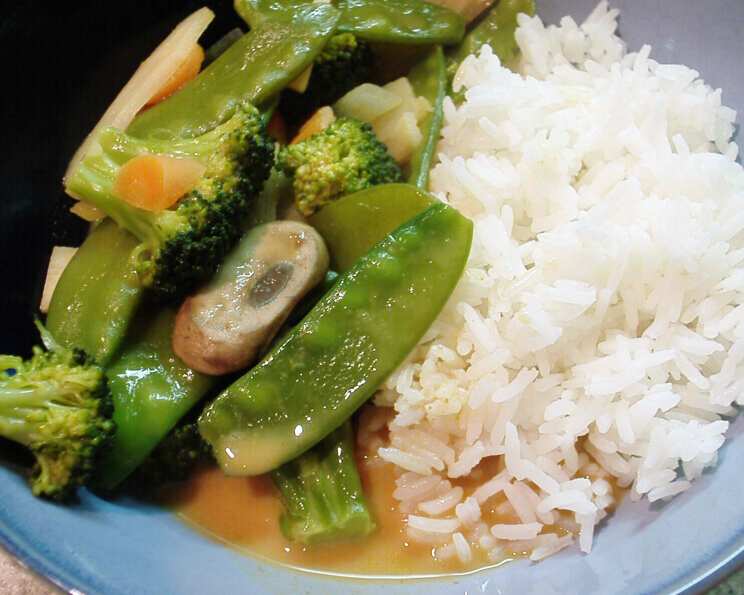
Thai Red Curry With Vegetables: A Symphony of Flavors
The first time I encountered Thai red curry was at a tiny, family-run restaurant tucked away in a bustling Bangkok market. The air was thick with the aromas of lemongrass, ginger, and chilies, a symphony that immediately transported me. But it was the taste – the creamy coconut milk mingling with the fiery curry paste and the fresh, vibrant vegetables – that truly captivated me. It was a revelation, a flavor explosion that I’ve been chasing and recreating ever since. This recipe is my humble attempt to share that magic with you.
Recipe Overview
- Prep Time: 15 minutes
- Cook Time: 15 minutes
- Total Time: 30 minutes
- Servings: 4
- Dietary Type: Vegan (can be adapted to vegetarian)
Ingredients
- 1 (14 ounce) can Thai Kitchen Pure Coconut Milk
- 1-4 tablespoons Thai Kitchen Red Curry Paste (adjust to your spice preference)
- 2-3 tablespoons Thai Kitchen Premium Fish Sauce (can be substituted with soy sauce or tamari for vegan option)
- 2 tablespoons Brown Sugar
- 1 1/2 cups assorted fresh vegetables, cut into 1 inch pieces (like cauliflower, red bell pepper, onions, eggplant, mushrooms, zucchini, peas, or your favorite combination)
- 1 (8 ounce) can Bamboo Shoots, rinsed and drained
Equipment Needed
- 2-quart saucepan
- Measuring spoons and cups
- Knife and cutting board
- Ladle
- Rice cooker (optional, for Jasmine rice)
Instructions
- In a 2-quart saucepan, pour in the entire can of Thai Kitchen Pure Coconut Milk.
- Add 1 to 4 tablespoons of Thai Kitchen Red Curry Paste, depending on your desired level of spiciness. Start with 1 tablespoon and taste as you go, adding more for a hotter flavor. Remember, you can always add more spice, but you can’t take it away!
- Pour in 2 to 3 tablespoons of Thai Kitchen Premium Fish Sauce. For a vegan option, substitute with soy sauce or tamari, adjusting the amount to taste. Fish sauce adds a unique umami flavor, so consider adding a pinch of salt if using a substitute.
- Add 2 tablespoons of brown sugar. This helps to balance the spiciness and add a touch of sweetness to the curry.
- Bring the mixture to a boil over medium-high heat, stirring constantly to ensure the curry paste is fully dissolved and the ingredients are well combined.
- Once boiling, add your assorted fresh vegetables (1 1/2 cups) and the drained bamboo shoots. Choose vegetables that cook at roughly the same rate, or add harder vegetables like cauliflower a few minutes before softer ones like zucchini.
- Reduce the heat to low and simmer for 15 minutes, or until the vegetables are tender but still have a slight bite. Stir occasionally to prevent sticking and ensure even cooking. The sauce will thicken slightly as it simmers.
- Serve hot over steamed Jasmine rice.
Expert Tips & Tricks
- Spice Control: The amount of curry paste is the key to controlling the heat. Start with less and add more gradually, tasting as you go. If you accidentally add too much, a squeeze of lime juice or a dollop of yogurt can help to mellow the spiciness.
- Vegetable Variety: Don’t be afraid to experiment with different vegetables! Broccoli, snap peas, carrots, and spinach are all great additions. Consider using seasonal vegetables for the freshest flavor.
- Coconut Milk Consistency: Full-fat coconut milk is essential for a creamy, rich curry. If your coconut milk has separated, whisk it vigorously before adding it to the saucepan.
- Flavor Infusion: For an even deeper flavor, try sautéing the curry paste in a little coconut oil before adding the coconut milk. This will help to release the aromas and create a more complex flavor profile.
- Make-Ahead Option: The curry can be made a day or two in advance. The flavors will meld and intensify over time. Just store it in an airtight container in the refrigerator.
Serving & Storage Suggestions
Serve the Thai Red Curry with Vegetables hot over a bed of freshly steamed Jasmine rice. Garnish with fresh cilantro, a sprinkle of chopped peanuts, and a wedge of lime for added flavor and visual appeal.
Leftovers can be stored in an airtight container in the refrigerator for up to 3 days. To reheat, gently warm the curry in a saucepan over low heat, stirring occasionally, or microwave in short intervals until heated through. If the curry has thickened too much, add a splash of coconut milk or water to thin it out. Freezing is not recommended, as the vegetables can become mushy.
Nutritional Information
| Nutrient | Amount per Serving | % Daily Value |
|---|---|---|
| Calories | 240.2 kcal | N/A |
| Calories from Fat | 192 g | 80% |
| Total Fat | 21.3 g | 32% |
| Saturated Fat | 18.8 g | 94% |
| Cholesterol | 0 mg | 0% |
| Sodium | 723.7 mg | 30% |
| Total Carbohydrate | 12.8 g | 4% |
| Dietary Fiber | 1.2 g | 5% |
| Sugars | 8.7 g | 34% |
| Protein | 3.9 g | 7% |
Note: Nutritional information is an estimate and may vary based on specific ingredients and portion sizes.
Variations & Substitutions
- Vegan Option: Substitute fish sauce with soy sauce or tamari.
- Protein Boost: Add tofu, tempeh, or shrimp to the curry for added protein.
- Spicy Level: Adjust the amount of red curry paste to control the heat. For a milder curry, use yellow curry paste instead.
- Sweetness: For a sweeter curry, add a tablespoon of honey or maple syrup in addition to the brown sugar.
- Vegetable Swap: Experiment with different vegetables based on your preferences and what’s in season.
- Gluten-Free: Ensure your soy sauce or tamari is gluten-free.
FAQs (Frequently Asked Questions)
Q: How can I make this curry spicier?
A: Add more red curry paste, a pinch of cayenne pepper, or a few slices of fresh chili peppers to the saucepan.
Q: Can I use frozen vegetables?
A: Yes, frozen vegetables can be used, but they may release more water during cooking, so you may need to simmer the curry for a longer time to thicken the sauce.
Q: What if I don’t have brown sugar?
A: You can substitute with white sugar, coconut sugar, or honey.
Q: Can I use light coconut milk?
A: Full-fat coconut milk is recommended for the best flavor and texture. Light coconut milk will result in a thinner, less creamy curry.
Q: How do I prevent the coconut milk from curdling?
A: Avoid boiling the coconut milk on high heat. Simmering gently will help to prevent curdling.
Final Thoughts
Thai Red Curry with Vegetables is a dish that’s both comforting and exciting, a harmonious blend of flavors and textures that will tantalize your taste buds. Don’t be afraid to experiment with different vegetables and spice levels to create your own unique version. Whether you’re a seasoned chef or a novice cook, this recipe is sure to impress. So grab your ingredients, get into the kitchen, and let the aroma of Thai red curry fill your home. And don’t hesitate to share your creations and feedback – I’d love to hear how it turns out! Consider pairing this delightful curry with a crisp, dry white wine like a Riesling or Gewürztraminer to complement the flavors. Enjoy!