
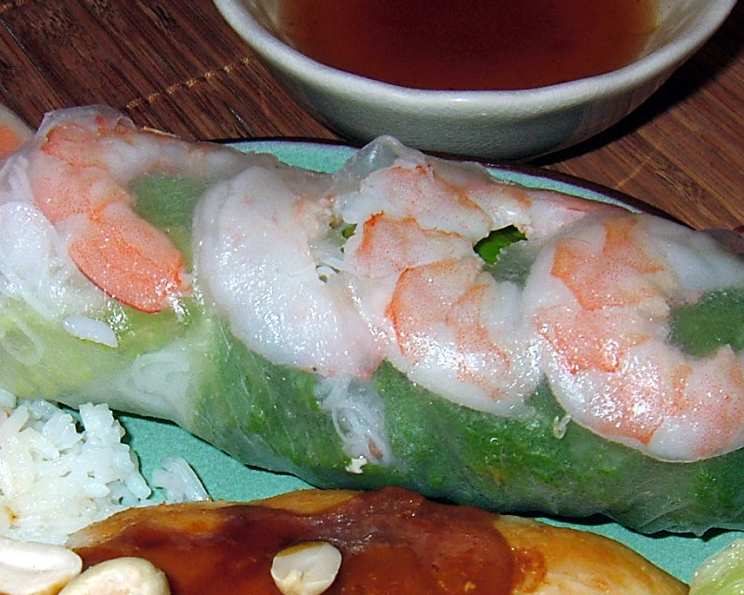
Thai Shrimp Rolls: A Symphony of Fresh Flavors
I remember the first time I had these Thai Shrimp Rolls. I was backpacking through Southeast Asia, and stumbled upon a tiny street food stall in Bangkok. The aroma of fresh herbs and tangy dipping sauce wafted through the air, drawing me in. I watched, mesmerized, as the vendor expertly assembled these vibrant rolls, each a perfect encapsulation of Thai flavors. One bite, and I was hooked – the cool, crisp vegetables, the succulent shrimp, the delicate rice paper, all singing in harmony. It was a taste of pure joy that I’ve been chasing ever since, and I’m thrilled to share my version with you.
Recipe Overview
- Prep Time: 25 minutes
- Cook Time: 0 minutes (excluding shrimp steaming)
- Total Time: 25 minutes
- Servings: 4
- Yield: 12 rolls
- Dietary Type: Gluten-Free, Dairy-Free (check fish sauce ingredients)
Ingredients
For Sauce
- 3 tablespoons rice vinegar
- 1 tablespoon honey
- 1 teaspoon fish sauce
- ⅛ teaspoon Thai red curry paste
For Rolls
- 1 ounce uncooked rice noodles
- 4 medium romaine lettuce leaves
- 4 sheets round rice paper (8-inch)
- 8 large fresh basil leaves
- 8 medium shrimp, peeled, steamed, and halved lengthwise (about 4 ounces)
- 20 slices cucumbers, seeded, peeled, and julienne cut (2-inch)
- 20 slices green onion tops, julienne cut (2-inch)
- 20 slices carrots, julienne cut (2-inch)
- 12 medium fresh mint leaves
Equipment Needed
- Large, shallow dish or pan
- Small bowl or jar for sauce
- Steamer or pot with steamer basket (for shrimp)
- Cutting board
- Sharp knife
Instructions
-
Prepare the Sauce: In a small bowl or jar, combine the rice vinegar, honey, fish sauce, and Thai red curry paste. Stir well until the honey is fully dissolved and the curry paste is evenly distributed. Set aside. Taste and adjust the seasonings to your preference – more honey for sweetness, or a dash of lime juice for extra tang.
-
Cook the Rice Noodles: Cook the rice noodles according to the package directions. This usually involves boiling water, adding the noodles, and simmering for a few minutes until tender. Be careful not to overcook them, as they will become mushy.
-
Rinse and Drain: Once cooked, immediately drain the rice noodles and rinse them under cold water to stop the cooking process. This also removes excess starch and prevents them from sticking together. Drain them thoroughly. Excess water will make the rolls soggy.
-
Prepare the Lettuce: Trim the fibrous ribs from the romaine lettuce leaves to flatten the leaves. This makes them easier to work with and prevents them from tearing the rice paper.
-
Soften the Rice Paper: Add hot water to a large, shallow dish or pan to a depth of about 1 inch. The water should be hot, but not scalding, to prevent the rice paper from melting or tearing.
-
Soften the First Sheet: Place 1 rice paper sheet in the hot water. Let it stand for 30 seconds, or until it is soft and pliable. Be careful not to over-soak it, as it will become too fragile to handle.
-
Assemble the Roll: Place the softened rice paper sheet on a flat surface, such as a cutting board.
-
Layer the Ingredients: Arrange 1 lettuce leaf over the rice paper sheet. Then, top the lettuce with 2 basil leaves, 4 shrimp halves, 2 tablespoons rice noodles, 5 cucumber strips, 5 carrot strips, 5 green onion strips, and 3 mint leaves. Remember, these are just guidelines, feel free to adjust the amount of each ingredient to your liking.
-
Fold and Roll: Fold the sides of the rice paper sheet over the filling, tucking them in tightly. Then, roll the sheet up jelly-roll fashion, starting from the end closest to you.
-
Seal and Place: Gently press the seam to seal the roll. Place the roll seam side down on a serving platter.
-
Repeat: Repeat the procedure with the remaining rice paper sheets and ingredients. Cover the assembled rolls with a damp paper towel to prevent them from drying out.
-
Serve: Serve the Thai Shrimp Rolls immediately with the prepared dipping sauce.
Expert Tips & Tricks
- Don’t overfill the rolls: Overfilling will make them difficult to roll and prone to tearing. It’s better to make slightly smaller rolls than to struggle with bursting ones.
- Keep a clean workspace: Rice paper can be sticky, so keep your workspace clean and dry. A slightly damp cloth nearby can be helpful for wiping up any stray bits.
- Use quality ingredients: The flavor of these rolls depends heavily on the quality of the ingredients. Use fresh herbs, crisp vegetables, and succulent shrimp for the best results.
- Vary the filling: Feel free to experiment with different fillings. Bean sprouts, shredded cabbage, avocado, or even cooked pork or chicken can be added to the rolls.
Serving & Storage Suggestions
Serve these Thai Shrimp Rolls chilled with the dipping sauce on the side. They make a beautiful appetizer or light meal.
Leftover rolls are best stored in the refrigerator, wrapped individually in damp paper towels to prevent them from drying out. They will last for up to 24 hours. They are not suitable for freezing, as the rice paper will become soggy.
It is best to eat these immediately, but they can sit at room temperature for a few hours, especially if you are at a party. It’s best to make sure they are covered and out of the sun.
Nutritional Information
| Nutrient | Amount per Serving | % Daily Value |
|---|---|---|
| Calories | 69.1 kcal | N/A |
| Calories from Fat | 2 g | 4% |
| Total Fat | 0.3 g | 0% |
| Saturated Fat | 0.1 g | 0% |
| Cholesterol | 17.2 mg | 5% |
| Sodium | 162.1 mg | 6% |
| Total Carbohydrate | 14.4 g | 4% |
| Dietary Fiber | 1.4 g | 5% |
| Sugars | 6.1 g | 24% |
| Protein | 3 g | 5% |
Note: Nutritional information is an estimate and may vary based on specific ingredients and preparation methods.
Variations & Substitutions
- Vegetarian/Vegan Option: Substitute the shrimp with marinated tofu or extra firm tofu, sliced thinly and pan-fried. Ensure the fish sauce in the dipping sauce is replaced with soy sauce or a vegan fish sauce alternative.
- Spicy Kick: Add a thinly sliced chili pepper to the filling or increase the amount of Thai red curry paste in the dipping sauce.
- Peanut Sauce: Substitute the dipping sauce with a classic peanut sauce made from peanut butter, soy sauce, rice vinegar, honey, and a touch of chili garlic sauce.
- Different Herbs: Experiment with different herbs such as cilantro, Thai basil, or Vietnamese mint for unique flavor profiles.
FAQs (Frequently Asked Questions)
Q: Why is my rice paper tearing?
A: Your rice paper is likely either over-soaked or not soaked enough. Ensure you’re using hot (not boiling) water and only soaking the sheets for about 30 seconds until pliable.
Q: Can I make these ahead of time?
A: While best served immediately, you can assemble the rolls a few hours in advance. Wrap them individually in damp paper towels and store them in the refrigerator to prevent drying.
Q: Can I use dried rice noodles instead of fresh?
A: Yes, dried rice noodles work perfectly well. Just cook them according to the package directions and rinse them under cold water.
Q: What if I can’t find Thai red curry paste?
A: You can substitute it with a pinch of red pepper flakes or a dash of sriracha sauce for a similar spicy kick.
Q: How do I prevent the rolls from sticking together?
A: Place the rolls seam-side down on a serving platter and cover them with a damp paper towel until ready to serve. You can also lightly brush them with oil.
Final Thoughts
These Thai Shrimp Rolls are more than just a recipe; they’re a celebration of fresh, vibrant flavors and a journey to the heart of Thai cuisine. Whether you’re hosting a party or simply looking for a light and healthy meal, these rolls are sure to impress. Don’t be afraid to experiment with different fillings and sauces to create your own signature version. I encourage you to try this recipe and share your feedback. Perhaps pair it with a refreshing Thai iced tea or a crisp Sauvignon Blanc for the perfect culinary experience. Enjoy!