
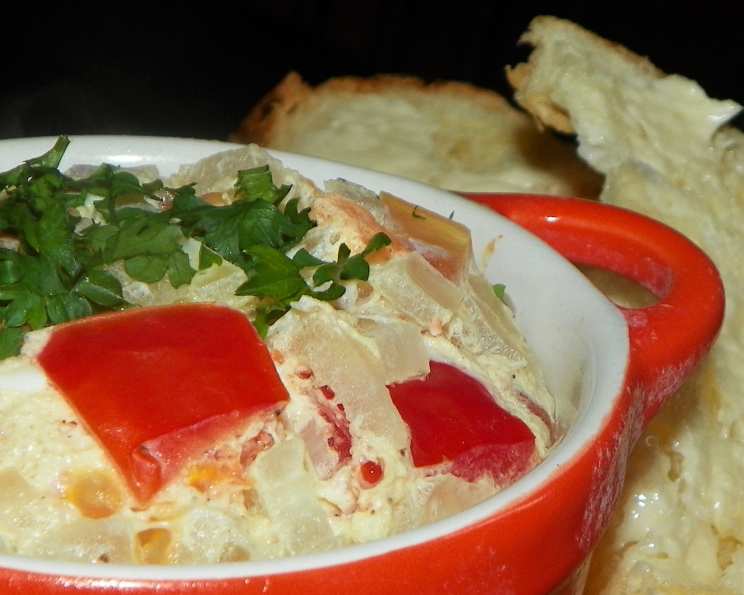
Thai Steamed Eggs: A Culinary Journey to Silky Smooth Perfection
I remember the first time I tasted steamed eggs in a tiny Bangkok eatery – a humble dish elevated to something truly special. The texture was unbelievably light, almost ethereal, like a savory cloud melting on my tongue. The simple addition of fresh herbs and a hint of soy transformed everyday eggs into an exotic delight, a memory that has stayed with me, inspiring countless culinary experiments ever since.
Recipe Overview
- Prep Time: 10 minutes
- Cook Time: 15 minutes
- Total Time: 25 minutes
- Servings: 4
- Dietary Type: Gluten-Free, Dairy-Free (if using gluten-free broth/soy sauce)
Ingredients
- 4 eggs
- ½ cup finely diced tomatoes (canned diced tomatoes work well)
- 1 tablespoon soy sauce
- 1 cup broth (chicken or vegetable)
- 1 tablespoon minced onion
- ½ teaspoon pepper
- 1 teaspoon garlic, minced
- Fresh coriander leaves, for garnish
Equipment Needed
- Steamer (large enough to fit heat-proof bowls)
- Heat-proof bowls
- Whisk
- Measuring cups and spoons
Instructions
-
Prepare your steamer by bringing water to a boil in the bottom. Ensure you have enough water to create steam without it touching the bowls.
-
Lightly grease your heat-proof bowls. This prevents the eggs from sticking and makes serving easier.
-
In a mixing bowl, thoroughly beat the eggs until they are light and frothy. This step is crucial for achieving the desired light and airy texture.
-
Add the broth, tomatoes, pepper, and soy sauce to the beaten eggs. Gently stir to combine all ingredients, being careful not to overmix.
-
Carefully pour the egg mixture into the prepared heat-proof bowls, dividing evenly.
-
Place the bowls onto the rack in your steamer, ensuring they are stable and not touching each other.
-
Cover the steamer tightly and steam for 15 minutes. The steaming time may vary slightly depending on the size of your bowls and the intensity of your steamer.
-
To check for doneness, gently insert a toothpick or skewer into the center of the steamed eggs. If it comes out clean, the eggs are ready. The eggs should be firm to the touch, but still slightly jiggly.
-
Once cooked, carefully remove the bowls from the steamer using heat-resistant gloves or tongs. Let them cool slightly.
-
Sprinkle the steamed eggs with the minced onion and fresh coriander leaves for garnish.
-
Serve immediately with rice.
Expert Tips & Tricks
- Achieving the Perfect Texture: The key to truly silky steamed eggs lies in the initial beating of the eggs. Beat them thoroughly until they are light and frothy. This incorporates air, resulting in a delicate texture.
- Broth Selection: The choice of broth can significantly impact the flavor of your steamed eggs. Chicken broth adds richness, while vegetable broth keeps the dish lighter. For a more authentic Thai flavor, consider using a seafood or dashi broth.
- Tomato Tip: While fresh tomatoes add a burst of flavor, using canned diced tomatoes ensures consistent texture and prevents excess liquid from compromising the final result. Drain the canned tomatoes well before adding them to the egg mixture.
- Steaming Precision: Maintain a consistent steaming temperature for best results. Avoid opening the lid frequently, as this can release steam and affect the cooking time.
- Flavor Infusion: For an extra layer of flavor, infuse the broth with aromatics like lemongrass, ginger, or galangal before adding it to the egg mixture. Simply simmer the broth with these ingredients for 10-15 minutes, then strain before using.
- Spice It Up: Add a pinch of red pepper flakes or a finely chopped Thai chili to the egg mixture for a touch of heat.
Serving & Storage Suggestions
Thai steamed eggs are best served warm, directly after steaming, to enjoy their delicate texture and fresh flavors. Garnish generously with fresh coriander leaves and a sprinkle of minced onion. They pair beautifully with steamed jasmine rice, providing a comforting and satisfying meal.
Leftover steamed eggs can be stored in an airtight container in the refrigerator for up to 2 days. To reheat, gently steam them again for a few minutes until warmed through. Microwaving is not recommended as it can alter the texture and make them rubbery. While freezing is possible, it can also impact the texture, so it’s best to consume them fresh.
Nutritional Information
| Nutrient | Amount per Serving | % Daily Value |
|---|---|---|
| Calories | 120 kcal | 6% |
| Total Fat | 8g | 10% |
| Saturated Fat | 2.5g | 13% |
| Cholesterol | 185mg | 62% |
| Sodium | 450mg | 19% |
| Total Carbohydrate | 3g | 1% |
| Dietary Fiber | 0.5g | 2% |
| Sugars | 1.5g | N/A |
| Protein | 9g | 18% |
Nutritional information is an estimate and may vary based on specific ingredients and portion sizes.
Variations & Substitutions
- Seafood Delight: Add small cooked shrimp, crab meat, or scallops to the egg mixture for a seafood-inspired version.
- Vegetarian Option: Use vegetable broth and add finely chopped mushrooms, spinach, or other vegetables for a vegetarian-friendly twist.
- Spicy Kick: Incorporate a tablespoon of Thai curry paste into the egg mixture for a fiery and aromatic flavor.
- Cheese Please: Add a sprinkle of grated cheese, such as cheddar or mozzarella, to the egg mixture for a cheesy variation (though it wouldn’t be a Thai recipe anymore!).
- Herb Garden: Experiment with different fresh herbs like basil, mint, or cilantro to customize the flavor profile.
- Soy Sauce Alternatives: Use tamari for a gluten-free option or fish sauce for a more traditional Southeast Asian flavor (adjust the amount to taste).
FAQs (Frequently Asked Questions)
Q: Can I use different types of tomatoes?
A: Yes, you can use cherry tomatoes (halved), Roma tomatoes (diced), or even sun-dried tomatoes (rehydrated and chopped). Just ensure they are finely diced for even distribution.
Q: What if I don’t have a steamer?
A: You can create a makeshift steamer by placing a heat-proof rack in a large pot with a tight-fitting lid. Add water to the pot, ensuring it doesn’t touch the rack.
Q: How do I prevent the eggs from becoming rubbery?
A: Avoid overcooking the eggs. Check for doneness after 15 minutes and remove them from the steamer as soon as they are firm but still slightly jiggly.
Q: Can I make this recipe ahead of time?
A: While best served fresh, you can prepare the egg mixture in advance and store it in the refrigerator for up to 24 hours. Steam just before serving.
Q: What other sauces can I serve with these steamed eggs?
A: Consider serving with a drizzle of sriracha, a light soy sauce glaze, or a chili garlic sauce for added flavor.
Final Thoughts
Thai steamed eggs are more than just a simple dish; they are an experience. The delicate texture, combined with the aromatic flavors of fresh herbs and the subtle tang of tomatoes, creates a symphony of sensations that will transport you to the bustling streets of Bangkok. I encourage you to try this recipe and discover the magic of steamed eggs for yourself. Don’t be afraid to experiment with different variations and flavors to create your own signature version. And please, share your culinary adventures with me – I’d love to hear about your experience! Pair these delightful eggs with a refreshing Thai iced tea for the ultimate meal!