
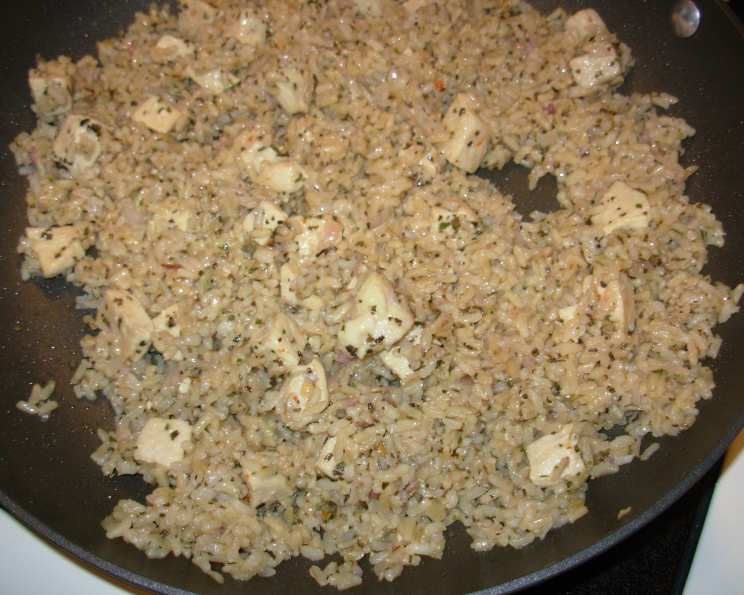
Thai-Style Basil Rice: Aromatic Comfort in Every Grain
The scent of basil, a vibrant green promise of summer, always transports me back to my backpacking days in Thailand. I remember wandering through bustling night markets, the air thick with the fragrance of spices and sizzling street food. This simple basil rice, served alongside grilled meats and fiery curries, was a staple. Each bite was an explosion of flavor, a comforting and fragrant reminder of the warmth and generosity I experienced there. It’s a dish that encapsulates the essence of Thai cuisine: fresh, vibrant, and utterly delicious.
Recipe Overview
- Prep Time: 10 minutes
- Cook Time: 25 minutes
- Total Time: 35 minutes
- Servings: 4
- Dietary Type: Vegetarian (adaptable to vegan)
Ingredients
- 1 tablespoon olive oil
- 2 tablespoons butter (or vegan butter substitute)
- 2 shallots, minced
- ½ cup chopped basil
- 3 cloves garlic, minced
- 1 green onion, chopped
- 1 cup long grain white rice
- 2 cups water
- 2 teaspoons chicken bouillon powder or 2 chicken bouillon cubes (substitute vegetable bouillon for vegetarian/vegan option)
- ¼ teaspoon red pepper flakes, to taste (optional)
- 1 teaspoon unsweetened flaked coconut, to taste (optional)
Equipment Needed
- Large, heavy saucepan with lid
- Measuring cups and spoons
- Knife and cutting board
- Fork
Instructions
-
In a large, heavy saucepan, melt the butter and olive oil together over medium heat. This combination adds both richness and prevents the butter from burning.
-
Add the minced shallots and chopped basil to the melted butter and oil. Cook, stirring occasionally, until the shallots are slightly soft and translucent, about 5 minutes. This step is crucial for building the aromatic base of the dish. Don’t rush it; allowing the shallots to soften gently releases their sweetness.
-
Add the minced garlic and chopped green onion to the saucepan. Sauté for another 2 to 3 minutes, stirring constantly, until fragrant. Be careful not to burn the garlic, as it will become bitter.
-
Add the uncooked long grain white rice to the saucepan. Stir to coat the rice grains evenly with the oil, butter, shallots, garlic, and basil mixture.
-
Sauté the rice for 3 minutes while stirring frequently. This step, known as “toasting” the rice, enhances its nutty flavor and helps prevent it from becoming too sticky during cooking.
-
In a separate measuring cup or bowl, mix together the water and chicken bouillon powder (or crumble the chicken bouillon cubes) until the bouillon is completely dissolved. This creates a flavorful broth that will cook the rice. If you are making a vegetarian or vegan version, use vegetable bouillon instead.
-
Carefully add the bouillon liquid to the rice in the saucepan. Bring the mixture to a boil over medium-high heat.
-
If desired, stir in the red pepper flakes (for a touch of heat) and unsweetened flaked coconut (for a subtle sweetness and texture). These additions are optional but highly recommended for a more complex flavor profile.
-
Once the mixture is boiling, cover the saucepan with a tight-fitting lid. Reduce the heat to low, maintaining a gentle simmer, and cook for 15 to 20 minutes, or until the liquid is completely absorbed and the rice is cooked to your preferred texture.
-
After the cooking time is up, remove the saucepan from the heat and let it stand, covered, for 5 minutes. This allows the rice to steam and ensures even cooking.
-
Finally, fluff the rice gently with a fork to separate the grains. This prevents the rice from clumping together and creates a light and airy texture. Serve immediately and enjoy!
Expert Tips & Tricks
- For a richer flavor, use chicken broth instead of water and bouillon.
- If you want a creamier texture, add a splash of coconut milk during the last 5 minutes of cooking.
- To prevent the rice from sticking to the bottom of the pan, use a heavy-bottomed saucepan.
- If the rice is still too wet after the cooking time, remove the lid and continue to cook over low heat until the excess liquid evaporates.
- Don’t overcook the rice! Aim for a slightly al dente texture.
- Make ahead: The rice can be cooked ahead of time and reheated. Store it in an airtight container in the refrigerator.
Serving & Storage Suggestions
Thai-style basil rice is a versatile side dish that pairs well with a variety of entrees. Serve it alongside grilled chicken, fish, or tofu. It’s also a delicious accompaniment to Thai curries, stir-fries, and noodle dishes. Garnish with extra fresh basil leaves and a sprinkle of toasted sesame seeds for added visual appeal.
Leftover basil rice can be stored in an airtight container in the refrigerator for up to 3 days. To reheat, add a tablespoon of water or broth to the rice and microwave until heated through. You can also reheat it on the stovetop over low heat, stirring occasionally. Freezing is not recommended as it can change the texture of the rice. It is best served fresh.
Nutritional Information
| Nutrient | Amount per Serving | % Daily Value |
|---|---|---|
| Calories | 275 kcal | 14% |
| Total Fat | 11g | 17% |
| Saturated Fat | 5g | 25% |
| Cholesterol | 15mg | 5% |
| Sodium | 300mg | 13% |
| Total Carbohydrate | 41g | 14% |
| Dietary Fiber | 1g | 4% |
| Sugars | 1g | 2% |
| Protein | 5g | 10% |
Nutritional information is an estimate and may vary based on specific ingredients and preparation methods.
Variations & Substitutions
- Vegan: Substitute the butter with a vegan butter alternative, and use vegetable bouillon instead of chicken bouillon.
- Brown Rice: Use brown rice instead of white rice for a nuttier flavor and higher fiber content. You will need to adjust the cooking time and liquid accordingly. Brown rice typically requires more liquid and a longer cooking time.
- Jasmine Rice: Substitute long grain white rice with jasmine rice for a more fragrant and slightly sticky texture.
- Spicy: Add more red pepper flakes or a chopped Thai chili for extra heat.
- Herbs: Experiment with different herbs such as cilantro, mint, or lemongrass for a unique flavor twist.
- Vegetables: Add diced vegetables such as bell peppers, carrots, or peas for added nutrition and texture. Sauté the vegetables along with the shallots and garlic.
FAQs (Frequently Asked Questions)
Q: Can I use dried basil instead of fresh basil?
A: While fresh basil is preferred for its vibrant flavor, you can use dried basil in a pinch. Use about 1 teaspoon of dried basil for every ½ cup of fresh basil.
Q: How do I prevent the rice from sticking to the bottom of the pan?
A: Using a heavy-bottomed saucepan and keeping the heat low will help prevent the rice from sticking. You can also stir the rice occasionally during cooking, but be careful not to over-stir it, as this can make it gummy.
Q: Can I make this recipe in a rice cooker?
A: Yes, you can adapt this recipe for a rice cooker. Sauté the shallots, garlic, and basil in a separate pan, then transfer them to the rice cooker along with the rice, water, and bouillon. Follow the rice cooker’s instructions for cooking white rice.
Q: How can I make this recipe gluten-free?
A: This recipe is naturally gluten-free as long as you use gluten-free bouillon.
Q: What is the best way to reheat leftover basil rice?
A: Add a tablespoon of water or broth to the rice and microwave until heated through. You can also reheat it on the stovetop over low heat, stirring occasionally.
Final Thoughts
This Thai-style basil rice is more than just a side dish; it’s a flavorful journey that transports you to the heart of Southeast Asia. The fragrant aroma of basil, combined with the savory notes of shallots and garlic, creates a symphony of flavors that will tantalize your taste buds. I encourage you to try this recipe and experience the magic of Thai cuisine in your own kitchen. Feel free to experiment with different variations and substitutions to create your own signature version. And please, let me know what you think! I would love to hear your feedback and see your culinary creations. Pair this delightful rice with a refreshing Thai iced tea for the complete experience!