
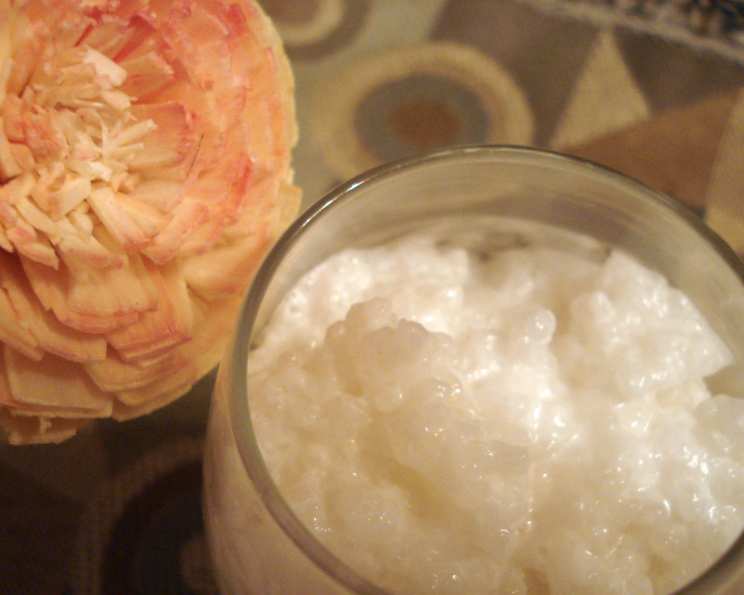
Thai Tapioca Pudding: A Taste of Tropical Comfort
My first taste of Thai Tapioca Pudding wasn’t in a fancy restaurant, but at a bustling night market in Bangkok. The air was thick with the scent of grilling meats and exotic spices, but it was the sweet, creamy aroma wafting from a street vendor’s cart that caught my attention. Served warm in a small bowl, the pudding was a revelation – a comforting blend of textures and flavors that transported me to a serene tropical paradise. The subtle sweetness of the coconut milk, the chewy pearls of tapioca, and a hint of salt created a symphony of taste that I’ve been trying to recreate ever since. This recipe, adapted from a Hawaiian gem, gets me pretty darn close.
Recipe Overview
- Prep Time: 5 minutes
- Cook Time: 35 minutes
- Total Time: 40 minutes
- Servings: 8
- Dietary Type: Gluten-Free
Ingredients
- 1 cup small Thai tapioca
- 8 cups cool water, divided use
- 3 cups coconut milk (Mae Ploy brand recommended)
- 1 cup sugar
- ½ teaspoon salt
Equipment Needed
- Saucepan
- Colander
- Measuring cups and spoons
- Dessert glasses or bowls
Instructions
-
Begin by rinsing the tapioca in cool tap water using a colander. Drain thoroughly. This step removes excess starch, preventing the pudding from becoming overly gummy.
-
Place the rinsed tapioca in a saucepan. Add 6 cups of cool water.
-
Bring the mixture to a boil over medium heat. Once boiling, reduce the heat slightly and cook for 5 minutes, stirring constantly. This prevents the tapioca from sticking to the bottom of the pan and burning. The tapioca pearls should begin to turn translucent.
-
After 5 minutes of cooking, drain the tapioca and rinse it again under cool water. This stops the cooking process and removes any remaining excess starch.
-
In a clean saucepan, combine the coconut milk and the remaining 2 cups of water. The quality of the coconut milk greatly impacts the flavor of the pudding. Mae Ploy brand is recommended for its rich and creamy texture.
-
Add the drained and rinsed tapioca to the coconut milk mixture.
-
Bring the mixture to a boil over medium heat, stirring constantly. Again, frequent stirring is key to preventing sticking and ensuring even cooking.
-
Once boiling, add the sugar and salt.
-
Continue stirring until the sugar is completely dissolved. Taste the mixture at this point and adjust the sweetness or saltiness according to your preference. Remember that flavors tend to mellow as the pudding cools, so a slightly bolder flavor at this stage is ideal.
-
Remove the saucepan from the heat. Let the mixture sit in the saucepan for 30 minutes. This allows the tapioca to absorb the coconut milk and plump up, creating the desired chewy texture.
-
After 30 minutes, stir the pudding again. If it seems too thick, you can add a little more coconut milk or water to reach your desired consistency.
-
Pour the Thai Tapioca Pudding into individual dessert glasses or bowls.
-
Serve warm.
Expert Tips & Tricks
- Tapioca Quality: The size and quality of the tapioca pearls can affect the cooking time. If your tapioca is particularly large, you may need to cook it for a minute or two longer.
- Coconut Milk Thickness: Some brands of coconut milk are thicker than others. If your coconut milk is very thick, you may need to add a bit more water to achieve the desired consistency.
- Preventing Sticking: Constant stirring is essential to prevent the tapioca from sticking to the bottom of the pan. Use a spatula to scrape the bottom of the pan regularly.
- Sweetness Adjustment: Adjust the amount of sugar to your liking. Some people prefer a sweeter pudding, while others prefer a more subtle sweetness.
- Make Ahead: The pudding can be made a day in advance and stored in the refrigerator. However, it may thicken as it cools, so you may need to add a little more coconut milk or water before serving.
Serving & Storage Suggestions
Thai Tapioca Pudding is best served warm, but it can also be enjoyed chilled. Garnish with a sprig of fresh mint or a sprinkle of toasted coconut flakes for an elegant presentation.
Leftover pudding can be stored in an airtight container in the refrigerator for up to 3 days. Reheat gently in a saucepan over low heat, stirring frequently, or in the microwave. If the pudding has thickened too much during refrigeration, add a little coconut milk or water before reheating.
Nutritional Information
| Nutrient | Amount per Serving | % Daily Value |
|---|---|---|
| Calories | 374 kcal | 19% |
| Total Fat | 12g | 18% |
| Saturated Fat | 11g | 55% |
| Cholesterol | 0 mg | 0% |
| Sodium | 129mg | 5% |
| Total Carbohydrate | 67g | 22% |
| Dietary Fiber | 0g | 0% |
| Sugars | 55g | |
| Protein | 1g | 2% |
Note: Nutritional information is an estimate and may vary based on specific ingredients and portion sizes.
Variations & Substitutions
- Vegan Option: This recipe is already naturally vegan.
- Sweeteners: Experiment with different sweeteners like palm sugar for a deeper, more caramel-like flavor.
- Flavorings: Infuse the coconut milk with pandan leaves or a cinnamon stick for added aroma and flavor. Remove the leaves or stick before adding the tapioca.
- Fruit Additions: Add diced mango, pineapple, or other tropical fruits to the pudding for a refreshing twist. As the original recipe suggests, diced honeydew melon is also an excellent choice.
- Toppings: Top with toasted coconut flakes, chopped nuts, or a drizzle of coconut cream for added texture and flavor.
FAQs (Frequently Asked Questions)
Q: Can I use large pearl tapioca instead of small Thai tapioca?
A: While you can, large pearl tapioca will require a longer cooking time and may not achieve the same delicate texture. If using large pearl tapioca, soak it in water for several hours before cooking and increase the cooking time accordingly.
Q: Why is my tapioca pudding too watery?
A: This usually means that the tapioca hasn’t been cooked long enough or that the proportions of tapioca to liquid are off. Ensure you cook the tapioca until it becomes translucent and slightly chewy. You can also simmer the pudding for a few extra minutes to thicken it.
Q: Can I use low-fat coconut milk?
A: While you can use low-fat coconut milk, the pudding will not be as rich and creamy. Full-fat coconut milk is recommended for the best flavor and texture.
Q: How do I prevent the tapioca from sticking to the bottom of the pan?
A: Constant stirring is key. Use a spatula to scrape the bottom of the pan regularly, ensuring that the tapioca doesn’t settle and burn.
Q: Can I add other flavorings to the pudding?
A: Absolutely! Experiment with different extracts, such as vanilla or almond extract, or spices, such as cardamom or nutmeg. A little goes a long way.
Final Thoughts
Thai Tapioca Pudding is a deceptively simple dessert that delivers a complex and satisfying flavor experience. Its creamy texture, subtle sweetness, and chewy tapioca pearls make it a truly delightful treat. I hope this recipe inspires you to recreate a little bit of that tropical night market magic in your own kitchen. Don’t be afraid to experiment with variations and make it your own. And please, let me know how it turns out! I’d love to hear your feedback and any creative twists you add to this classic dessert. Enjoy!