
The Secret to a Perfectly Moist Thanksgiving Turkey: A Chef’s Brine
Thanksgiving has always been more than just a holiday for me; it’s a culinary pilgrimage back to my grandmother’s kitchen. I can still picture her, a whirlwind of flour and warmth, presiding over a feast that felt as boundless as her love. The centerpiece, of course, was always the turkey – never dry, always succulent, and imbued with a flavor that hinted at something truly special. It wasn’t until years later, after culinary school and countless experiments, that I discovered her secret: a simple, yet transformative brine. Now, I’m excited to share that magic with you!
Recipe Overview
- Prep Time: 20 minutes
- Cook Time: 15-20 minutes (for brine)
- Total Time: 8-24 hours (including brining time)
- Yields: 1 Turkey
- Dietary Type: Generally Applicable
Ingredients
- 1 1/2 cups kosher salt (do not use ordinary table salt)
- 1 1/2 cups brown sugar
- 3 teaspoons peppercorns
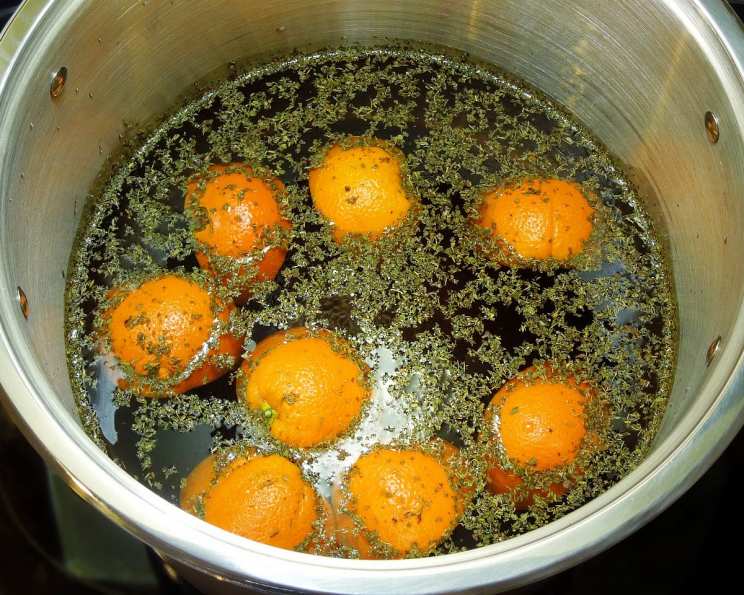
- 2 oranges, quartered
- 3 teaspoons dried thyme
- 3 teaspoons dried basil
- 1 1/2 gallons water
Equipment Needed
- Large stockpot
- Large container or brining bag (large enough to submerge the turkey)
- Refrigerator
Instructions
- Combine all the ingredients – the kosher salt, brown sugar, peppercorns, quartered oranges, dried thyme, dried basil, and water – in a large stockpot.
- Bring the mixture to a boil over high heat, stirring occasionally to ensure the salt and sugar dissolve completely.
- Reduce the heat to low and simmer the brine for 15-20 minutes. This allows the flavors to meld together beautifully.
- Allow the brine to cool completely. This is crucial; adding a turkey to a hot brine will partially cook the bird and raise its internal temperature to unsafe levels. You can speed up the cooling process by placing the pot in an ice bath, carefully stirring it to distribute the temperature evenly.
- Rinse the turkey thoroughly under cold running water, both inside and out. Be sure to remove the giblets from the turkey’s cavity; you can save them for gravy!
- Pat the turkey dry with paper towels, both inside and out. A dry surface helps the skin crisp up beautifully during roasting.
- Immerse the turkey completely in the cooled brine. The turkey should be fully submerged in the liquid. If your pot isn’t large enough, you can use a large brining bag placed inside a cooler. Add ice to the cooler as needed to maintain a cold temperature. Some recommend placing a plate or weight on top of the turkey to keep it submerged.
- Cover the pot or brining container tightly.
- Refrigerate the turkey in the brine for 8-10 hours, or up to 24 hours. The longer the turkey brines, the more flavorful and moist it will be, but be careful not to over-brine, as this can result in a salty bird.
- Remove the turkey from the brine and rinse it thoroughly under cold running water. This removes excess salt from the surface.
- Pat the turkey dry again with paper towels.
- Roast the turkey as usual, according to your favorite recipe. Remember that a brined turkey will cook faster than an unbrined turkey, so monitor the internal temperature carefully.
Expert Tips & Tricks
- Kosher Salt is Key: Do NOT substitute table salt for kosher salt. Table salt contains iodine and anti-caking agents that can impart an off-flavor to the turkey. Kosher salt dissolves more easily and provides a cleaner, more even seasoning.
- Temperature Matters: Ensure the brine is completely cooled before adding the turkey. Adding a warm turkey to a warm brine can create a breeding ground for bacteria.
- Don’t Over-Brine: While brining enhances flavor and moisture, over-brining can result in a salty turkey. Stick to the recommended brining time (8-24 hours) for best results.
- Adjust Roasting Time: Because the brined turkey will retain more moisture, it tends to cook faster than a bird that hasn’t been brined. Check the internal temperature of the thickest part of the thigh frequently to avoid overcooking. The internal temperature should reach 165°F (74°C).
- Flavor Boost: Experiment with adding other aromatics to your brine, such as bay leaves, garlic cloves, apple cider, or citrus zest.
Serving & Storage Suggestions
Serve your perfectly brined and roasted turkey as the centerpiece of your Thanksgiving feast! Carve it with care and present it on a platter garnished with fresh herbs and cranberries.
Leftover turkey should be stored in an airtight container in the refrigerator within two hours of cooking. It will stay fresh for 3-4 days. You can also freeze leftover turkey for up to 2-3 months. Thaw frozen turkey in the refrigerator overnight before reheating.
To reheat leftover turkey, you can slice it and warm it gently in a pan with a little broth or gravy, or you can reheat it in the oven covered with foil to prevent it from drying out.
Nutritional Information
Note: Nutritional information can vary based on turkey size, specific ingredients used, and serving size. The following is a rough estimate for the brine itself and does not account for the nutritional value of the turkey.
| Nutrient | Amount per Serving | % Daily Value |
|---|---|---|
| Calories | Approximately 50 | 3% |
| Total Fat | 0g | 0% |
| Saturated Fat | 0g | 0% |
| Cholesterol | 0mg | 0% |
| Sodium | Highly Variable | Varies |
| Total Carbohydrate | 12g | 4% |
| Dietary Fiber | 0g | 0% |
| Sugars | 12g | N/A |
| Protein | 0g | 0% |
Variations & Substitutions
- Spice it Up: Add a pinch of cayenne pepper or a few dashes of hot sauce to the brine for a little kick.
- Herbal Infusion: Experiment with different herbs, such as rosemary, sage, or oregano, to create a unique flavor profile.
- Citrus Twist: Use different citrus fruits, such as lemons, limes, or grapefruit, instead of oranges.
- Sweeten the Deal: Substitute honey or maple syrup for the brown sugar.
- Apple Cider Brine: Replace half the water with apple cider for a richer, autumnal flavor.
FAQs (Frequently Asked Questions)
Q: Can I use table salt instead of kosher salt?
A: No, it’s not recommended. Table salt contains iodine and anti-caking agents that can impart an off-flavor to the turkey. Kosher salt is the best choice for a clean, pure flavor.
Q: What if I don’t have enough room in my refrigerator for the brining container?
A: You can use a large cooler filled with ice to keep the turkey cold while it brines. Just make sure the turkey is completely submerged and the cooler is kept in a cool place.
Q: How long can I brine the turkey?
A: It is recommended to brine the turkey for 8-24 hours. Over-brining can result in a salty turkey.
Q: Do I need to rinse the turkey after brining?
A: Yes, it’s important to rinse the turkey thoroughly under cold running water to remove excess salt from the surface.
Q: Will a brined turkey cook faster than an unbrined turkey?
A: Yes, a brined turkey will retain more moisture and tend to cook faster. Monitor the internal temperature carefully to avoid overcooking.
Final Thoughts
I truly hope this brine recipe becomes a cherished part of your Thanksgiving tradition, as it has become for me. The joy of sharing a perfectly cooked turkey with loved ones is a feeling that never gets old. Don’t hesitate to experiment with the variations and make it your own! And if you have any questions or feedback, please share them – I’m always eager to learn from fellow cooks. Now, go forth and create a Thanksgiving masterpiece!