
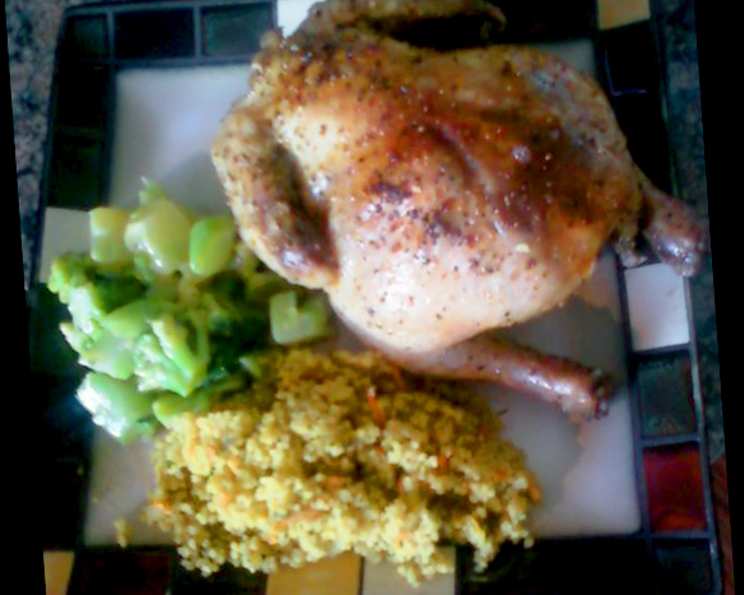
The Best Baked Cornish Game Hens: A Chef’s Secret
The aroma still vividly transports me back to my grandmother’s kitchen. It was always filled with the comforting smells of roasting poultry, but her Cornish game hens held a special magic. They were glistening jewels of perfectly browned skin, each tiny bird a testament to her patience and love. She’d let me help baste them, the lemony garlic butter painting them to a golden perfection, and the resulting succulent, flavorful meat was unlike anything I’ve tasted since. It’s a memory I cherish, and this recipe is my humble attempt to recreate that warmth and joy in my own kitchen.
Recipe Overview
- Prep Time: 15 minutes
- Cook Time: 1 hour
- Total Time: 1 hour 15 minutes
- Servings: 4
- Yields: 4 cornish game hens
- Dietary Type: Gluten-Free
Ingredients
- 4 Cornish hens
- 1/2 cup (1 stick) butter, softened
- 1 teaspoon rosemary, dried
- 2 garlic cloves, pressed
- 2 tablespoons lemon juice
- Cooked rice (optional, wild rice is recommended)
Equipment Needed
- Baking pan
- Pastry brush or spoon
- Garlic press
Instructions
-
Preheat your oven to 350°F (175°C). Make sure the oven rack is positioned in the center.
-
Prepare the hens: Remove the Cornish hens from their packaging. Pat them dry with paper towels. This step is crucial for achieving crispy skin. You can also remove any giblets or neck from the cavity, if present.
-
Butter the hens: In a small bowl, thoroughly soften 1/2 cup (1 stick) of butter. Then, generously rub the softened butter all over the outside of each Cornish hen. Ensure every surface is coated, including under the wings and around the legs. This will contribute to the beautiful browning and juicy interior.
-
Prepare the basting mixture: In a separate small bowl, combine the 1 teaspoon of rosemary, 2 pressed garlic cloves, and 2 tablespoons of lemon juice. Mix well to ensure the flavors are evenly distributed. The garlic should be finely minced or pressed to release its aroma fully.
-
Baste the hens: Using a pastry brush or a spoon, generously baste the Cornish hens with the lemon-garlic mixture. Make sure to coat them evenly. Reserve the remaining mixture for continued basting during the cooking process.
-
Bake the hens: Place the buttered and basted Cornish hens in a baking pan, ensuring they are not overcrowded. Bake in the preheated oven at 350°F (175°C) for 1 hour, basting with the lemon-garlic mixture every 10 minutes. Setting a timer is crucial for maintaining the basting schedule. Frequent basting is key to achieving moist and flavorful hens.
-
Check for doneness: After 1 hour, check the internal temperature of the Cornish hens using a meat thermometer. Insert the thermometer into the thickest part of the thigh, avoiding the bone. The internal temperature should reach 165°F (74°C). If the hens are not yet done, continue baking for an additional 5-10 minutes, basting again, until the required temperature is reached.
-
Serve: If serving with rice, spoon any remaining lemon-garlic mixture over the cooked rice. This adds an extra layer of flavor that complements the hens perfectly.
-
Rest: Remove the hens from the oven and let them rest for about 5-10 minutes before serving. This allows the juices to redistribute, resulting in a more tender and flavorful bird.
Expert Tips & Tricks
- Crispy Skin Secret: For extra crispy skin, after the initial basting, lightly dust the hens with a mixture of cornstarch and baking powder (about 1 teaspoon of each per hen) before baking. The mixture draws out excess moisture which helps the skin to crisp up.
- Even Cooking: To ensure even cooking, rotate the baking pan halfway through the cooking time. This will compensate for any hot spots in your oven.
- Flavor Boost: For a deeper flavor, insert a sprig of fresh rosemary and a clove of garlic into the cavity of each hen before baking.
- Make-Ahead Tip: You can prepare the basting mixture a day ahead and store it in the refrigerator. This saves time on the day of cooking.
- Prevent Burning: If the hens start to brown too quickly, tent them loosely with aluminum foil during the last 15 minutes of baking.
Serving & Storage Suggestions
Serve the baked Cornish hens immediately after resting, accompanied by your favorite sides. Rice (especially wild rice) is an excellent choice, as are roasted vegetables like asparagus, Brussels sprouts, or potatoes. You can also serve them with a side salad for a lighter meal.
To store leftovers, allow the Cornish hens to cool completely before placing them in an airtight container. Refrigerate for up to 3-4 days. To reheat, preheat the oven to 350°F (175°C). Place the hens in an oven-safe dish with a little broth or water to prevent drying out, cover with foil, and heat until warmed through, about 15-20 minutes. You can also reheat them in the microwave, but the skin may not be as crispy.
Nutritional Information
| Nutrient | Amount per Serving | % Daily Value |
|---|---|---|
| Calories | 485 kcal | N/A |
| Total Fat | 31 g | 47% |
| Saturated Fat | 16.6 g | 83% |
| Cholesterol | 278.5 mg | 92% |
| Sodium | 365.5 mg | 15% |
| Total Carbohydrate | 1.1 g | 0% |
| Dietary Fiber | 0.1 g | 0% |
| Sugars | 0.2 g | 0% |
| Protein | 48.3 g | 96% |
Nutritional information is an estimate and may vary based on specific ingredients and portion sizes.
Variations & Substitutions
- Herb Variations: Substitute the rosemary with other herbs like thyme, sage, or oregano for a different flavor profile.
- Citrus Twist: Use orange juice instead of lemon juice for a sweeter, citrusy flavor. You can also add orange zest to the basting mixture.
- Spicy Kick: Add a pinch of red pepper flakes or a dash of hot sauce to the basting mixture for a touch of heat.
- Honey Glaze: Mix a tablespoon of honey into the basting mixture for a sweet and sticky glaze.
- Wine Infusion: Add a tablespoon of dry white wine to the basting mixture for added depth of flavor.
FAQs (Frequently Asked Questions)
Q: Can I use frozen Cornish hens?
A: Yes, but be sure to thaw them completely in the refrigerator before cooking. This may take 24-48 hours, depending on the size of the hens.
Q: How do I know when the Cornish hens are done?
A: The best way is to use a meat thermometer. The internal temperature should reach 165°F (74°C) in the thickest part of the thigh. The juices should also run clear when pierced with a fork.
Q: Can I bake the hens at a higher temperature to reduce the cooking time?
A: While you can, it’s not recommended. Baking at a lower temperature allows the hens to cook more evenly and stay moist. Higher temperatures can lead to dry, tough meat.
Q: Can I brine the Cornish hens before cooking?
A: Yes, brining can help to make the hens even more moist and flavorful. A simple brine of salt, sugar, and water, with added herbs and spices, will work wonders. Brine for at least 4 hours, or up to overnight, in the refrigerator.
Q: What can I do with the leftover bones and carcass?
A: Don’t throw them away! Use them to make a flavorful chicken stock or broth. Simply simmer the bones with water, vegetables (like carrots, celery, and onions), and herbs for a few hours.
Final Thoughts
I hope this recipe inspires you to create your own memorable Cornish game hen experience. Don’t be afraid to experiment with different herbs, spices, and flavors to find your perfect combination. Whether you’re cooking for a special occasion or a simple weeknight dinner, these baked Cornish hens are sure to impress. So, gather your ingredients, preheat your oven, and let the aroma fill your kitchen with warmth and deliciousness. And if you have any questions or feedback, I’d love to hear from you. Bon appétit!