
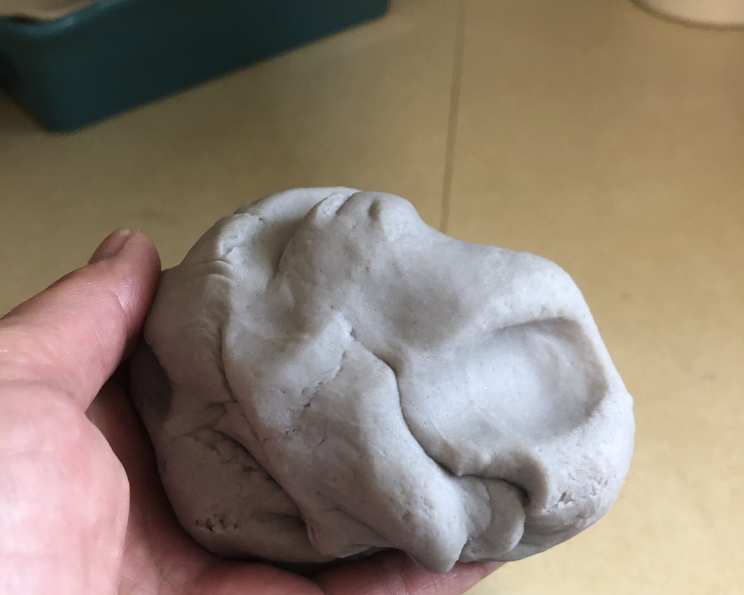
The Best Play Dough Recipe: A Culinary Journey Back to Childhood
The scent of play dough instantly transports me back to kindergarten. I remember the slightly salty, vaguely sweet aroma mingling with the scent of crayons and Elmer’s glue. The joy of squishing it between my fingers, rolling it into snakes, and “baking” pretend pies in the toy oven was pure, unadulterated bliss. Now, as a chef and a parent, I’ve rediscovered that magic, and I’m excited to share the recipe that brings those memories to life for a new generation.
Recipe Overview
- Prep Time: 5 minutes
- Cook Time: 10 minutes
- Total Time: 15 minutes
- Yield: Approximately 2 pounds
- Dietary Type: Vegan (naturally), Gluten-Free (if using gluten-free flour)
Ingredients
- 2 ½ cups flour, plus more for kneading
- ½ cup salt
- 1 tablespoon alum (found in the spice aisle)
- 1 ¾ cups boiling water
- 2 tablespoons salad oil (vegetable or canola oil works well)
- Food coloring (gel or liquid)
Equipment Needed
- Large bowl
- Glass measuring cup
- Mixing spoon
- Airtight container
Instructions
-
Begin by combining the flour and salt in a large bowl. Whisking these dry ingredients together ensures even distribution of the salt, which acts as a preservative.
-
In a separate glass measuring cup, prepare the wet ingredients. Dissolve the alum in the boiling water. Stir in the salad oil and food coloring. Add the colored liquid mixture to the dry ingredients.
-
Stir the wet and dry ingredients together in the large bowl until a slightly cool, shaggy dough forms. Be careful as the mixture will be hot at first.
-
Turn the dough out onto a lightly floured surface. Now comes the fun part: kneading! Knead the dough well, gradually adding more flour as needed, until it stops sticking to your hands and forms a smooth, pliable ball. The amount of additional flour will depend on the humidity in your kitchen. If the dough is still sticky after a few minutes of kneading, add flour one tablespoon at a time until the desired consistency is achieved.
-
Once the play dough reaches the desired consistency, it’s ready for playtime!
-
When not in use, store the play dough in an airtight container to prevent it from drying out.
Expert Tips & Tricks
- For Vibrant Colors: Gel food coloring typically yields more vibrant and concentrated colors than liquid food coloring. Use a toothpick to add small amounts of gel color to the water mixture until you achieve your desired shade.
- Adding Scent: This recipe is a blank canvas for scent. Add a few drops of your favorite essential oils or extracts, such as vanilla, almond, or peppermint, to the water mixture for a delightful aroma. Spices like cinnamon, nutmeg, or ginger can also be added, but be mindful that these may slightly alter the texture and require adjustments to the flour.
- Fixing Dry Play Dough: If your play dough becomes dry, simply knead in a few drops of water until it regains its pliability.
- Preventing Stickiness: If you add too much water, the dough can become sticky. To remedy this, sprinkle a little more flour onto your work surface and continue kneading until the desired consistency is achieved.
- Color Mixing: Teach children about color mixing by dividing the plain dough and adding different food colorings, then letting them knead the colors together.
- Gluten-Free Option: Substitute the all-purpose flour with a gluten-free flour blend. Be aware that gluten-free flours can sometimes be drier, so you may need to adjust the amount of water accordingly.
- Alum Substitute: While Alum is the ideal preservative, cream of tartar can be used as a substitute in equal measure.
Serving & Storage Suggestions
This play dough is designed for creative play and sensory exploration. Encourage children to use cookie cutters, rolling pins, and other tools to shape and mold the dough.
To ensure the play dough lasts for months, store it in an airtight container at room temperature. Avoid storing it in the refrigerator, as this can cause it to become too firm. If stored properly, it can last for several months. If you notice any mold or a significant change in texture, it’s time to discard it and make a fresh batch.
Nutritional Information
This play dough recipe is not intended for consumption, therefore nutritional information is not particularly relevant. However, for the sake of completeness, here’s an estimated breakdown based on the ingredients, understanding that these values are estimates and not precise since some play dough will inevitably be discarded during use.
| Nutrient | Amount per Batch (approx.) |
|---|---|
| Calories | ~1500 kcal |
| Total Fat | ~30g |
| Saturated Fat | ~5g |
| Sodium | ~60000mg |
| Total Carbohydrate | ~250g |
| Dietary Fiber | ~10g |
| Sugars | ~2g |
| Protein | ~35g |
Note: These values are estimates and should not be considered definitive.
Variations & Substitutions
- Scented Play Dough: Infuse the play dough with different scents by adding essential oils or extracts, such as lavender, rose, or citrus.
- Glitter Play Dough: Add a sprinkle of glitter to the dough for a shimmering effect.
- Herbal Play Dough: Incorporate dried herbs, such as lavender, rosemary, or thyme, for a natural scent and texture.
- Edible Play Dough: While this recipe is not designed to be eaten, there are edible play dough recipes available online that use ingredients like peanut butter and honey. However, always supervise children closely when playing with edible play dough.
- Natural Dyes: Instead of food coloring, try using natural dyes like beet juice (pink), spinach juice (green), turmeric (yellow), or blueberry juice (purple/blue). Be aware that the colors may be less vibrant.
FAQs (Frequently Asked Questions)
Q: How long does this play dough last?
A: This play dough can last for several months if stored in an airtight container at room temperature.
Q: Can I use different types of flour?
A: Yes, you can use different types of flour, such as whole wheat flour or gluten-free flour, but the texture may vary.
Q: Is alum safe for children?
A: Alum is generally considered safe in small quantities. It acts as a preservative and helps to improve the texture of the play dough. However, supervise children closely and ensure they do not ingest the play dough. If you are concerned, you can substitute it with cream of tartar.
Q: Can I freeze this play dough?
A: Freezing is not recommended, as it can alter the texture of the play dough and make it crumbly.
Q: What if my play dough is too dry?
A: If your play dough is too dry, simply knead in a few drops of water until it regains its pliability.
Final Thoughts
Making play dough at home is a wonderful way to engage children in creative play and sensory exploration. It’s also a fun and affordable activity that can be enjoyed by the whole family. So gather your ingredients, roll up your sleeves, and get ready to create some memories! I encourage you to try this recipe and share your creations. Happy playing!