
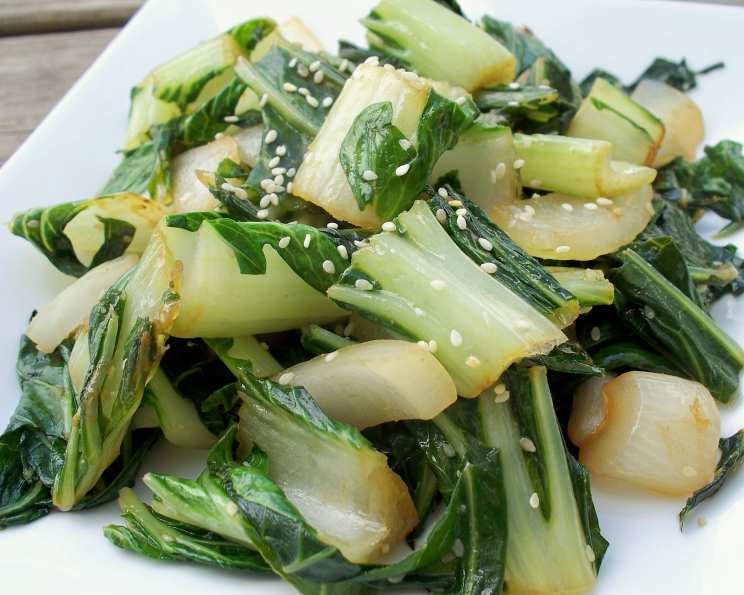
The Best Sauteed Bok Choy: A Flavorful and Fast Side Dish
Bok choy was a staple at my grandmother’s table, but not always in the most exciting way. Boiled until nearly translucent, it was more about dutifully eating your greens than savoring a culinary delight. It wasn’t until I ventured into Asian cuisine and discovered the magic of a quick, hot sauté that bok choy truly came alive for me. The subtle bitterness mellows into a sweet, earthy flavor, especially when kissed by sesame oil and a hint of ginger. It’s now a regular in my kitchen, a dish that proves simple ingredients can deliver extraordinary flavor.
Recipe Overview
- Prep Time: 10 minutes
- Cook Time: 15 minutes
- Total Time: 25 minutes
- Servings: 4
- Yield: About 4 cups
- Dietary Type: Gluten-Free (check fish sauce label), Can be Vegetarian/Vegan (see notes)
Ingredients
- 1 head bok choy, sliced, both white and green parts
- 1/3 cup onion, diced
- 1/2 tablespoon grated gingerroot
- 1 teaspoon olive oil
- 1/2 teaspoon dark sesame oil
- 1 teaspoon fish sauce (or substitute tamari for vegetarian/vegan)
- 1 tablespoon rice vinegar
- 1 1/2 teaspoons sesame seeds
- 1/4 cup chicken broth (or vegetable broth)
- Crushed red pepper flakes (to taste)
Equipment Needed
- Large skillet or wok
- Cutting board
- Knife
- Grater
Instructions
- Begin by thoroughly rinsing and draining the bok choy. It’s important to get rid of any grit, especially from between the leaves. Set it aside to allow excess water to drain off.
- Place your skillet or wok over medium-high heat. Add the olive oil and sesame oil. Let the oils heat up for a few seconds until shimmering.
- Add the diced onion and grated gingerroot to the hot oil. Sauté until the onion becomes tender and translucent, approximately 3-5 minutes. Be careful not to burn the ginger; reduce heat slightly if needed.
- Add the sliced bok choy to the skillet. Stir-fry for about 2 minutes, allowing the leaves to wilt slightly.
- Now, add the fish sauce, rice vinegar, and chicken broth to the pan.
- Continue to sauté all ingredients for about 8 minutes, stirring frequently, until the bok choy is tender-crisp and the liquid has reduced slightly, creating a light sauce.
- Remove the skillet from the heat and stir in the sesame seeds.
- Taste and adjust seasoning if necessary. Add a pinch of crushed red pepper flakes for a touch of heat, if desired.
Expert Tips & Tricks
- Don’t overcrowd the pan: If you’re making a larger batch, work in two batches to ensure even cooking and prevent the bok choy from steaming instead of sautéing.
- Adjust the cut: For faster cooking, separate the white stalks from the green leaves and add the stalks to the pan a few minutes before the leaves.
- Ginger boost: For a more pronounced ginger flavor, add a little grated ginger right at the end of cooking.
- Broth reduction: Simmering the broth down creates a more concentrated flavor and helps the sauce cling to the bok choy. Keep an eye on it though – you don’t want it to burn!
- Quality oils matter: Using good quality olive oil and sesame oil will significantly enhance the flavor of the dish.
Serving & Storage Suggestions
Serve the sautéed bok choy immediately as a vibrant and flavorful side dish. It pairs beautifully with grilled or roasted meats, fish, or tofu. It also works wonderfully as a component in stir-fries or noodle bowls.
Leftovers can be stored in an airtight container in the refrigerator for up to 2-3 days. Reheat gently in a skillet over medium heat or in the microwave. The bok choy may lose some of its crispness upon reheating, but the flavor will still be delicious. Freezing is not recommended as it will significantly alter the texture of the bok choy.
Nutritional Information
| Nutrient | Amount per Serving | % Daily Value |
|---|---|---|
| Calories | 58 kcal | 3% |
| Total Fat | 3g | 4% |
| Saturated Fat | 0g | 2% |
| Cholesterol | 0mg | 0% |
| Sodium | 302mg | 13% |
| Total Carbohydrate | 6g | 2% |
| Dietary Fiber | 3g | 11% |
| Sugars | 3g | 6% |
| Protein | 4g | 8% |
Variations & Substitutions
- Vegetarian/Vegan: Substitute tamari or soy sauce for the fish sauce. Ensure that you are using a vegetable broth.
- Spice it up: Add a pinch of cayenne pepper or a finely chopped chili pepper for extra heat.
- Garlic lovers: Add a clove or two of minced garlic along with the ginger for a more pungent flavor.
- Mushroom Magic: Add sliced shiitake or oyster mushrooms along with the onions for an earthy flavor.
- Sweet & Savory: Add a drizzle of honey or maple syrup for a touch of sweetness.
FAQs (Frequently Asked Questions)
Q: Can I use baby bok choy for this recipe?
A: Absolutely! Baby bok choy is a great option. You may need to reduce the cooking time slightly since it’s more tender.
Q: What if I don’t have rice vinegar?
A: You can substitute white wine vinegar or apple cider vinegar, but the flavor will be slightly different.
Q: Can I make this dish ahead of time?
A: While it’s best served immediately, you can prep the ingredients ahead of time by slicing the bok choy, dicing the onion, and grating the ginger. Store them separately until ready to cook.
Q: Is sesame oil necessary?
A: Sesame oil adds a distinctive and delicious flavor, but you can substitute another oil like peanut oil or avocado oil if needed. However, the flavor profile will change.
Q: How do I prevent the bok choy from getting too soggy?
A: Use high heat and don’t overcrowd the pan. Also, don’t overcook it. You want it to be tender-crisp, not mushy.
Final Thoughts
This sautéed bok choy recipe is more than just a side dish; it’s a testament to the power of simple, fresh ingredients and quick cooking techniques. It’s a versatile and flavorful addition to any meal, offering a delightful balance of textures and tastes. I encourage you to give it a try and experience the wonderful transformation of this humble vegetable. Feel free to experiment with the variations and substitutions to create your own signature version. And if you find a particularly delicious pairing, I’d love to hear about it! Happy cooking!