
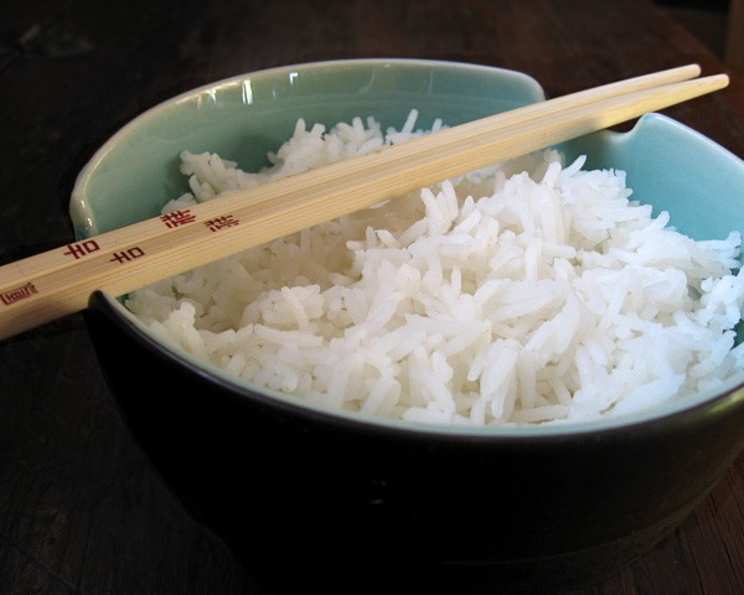
The Easiest White Rice Ever: A Culinary Staple Simplified
My earliest memory of rice involves standing on a rickety stool in my grandmother’s kitchen, mesmerized as she rinsed handful after handful of the pearly grains. The rhythmic swirling, the clouding water, the gentle pour – it was a ceremony. I may not have appreciated it then, but her seemingly simple pot of rice was the heart of every meal, a blank canvas for vibrant flavors and comforting textures. While her method was steeped in tradition, this foolproof recipe streamlines the process, delivering perfectly cooked rice every single time, so you can focus on the delicious dishes to accompany it.
Recipe Overview
- Prep Time: 2 minutes
- Cook Time: 23 minutes
- Total Time: 30 minutes
- Servings: 6
- Dietary Type: Gluten-Free, Vegan
Ingredients
- 2 3/4 cups water
- 1 1/2 cups basmati rice
- 3/4 teaspoon salt
Equipment Needed
- Medium pot with lid
Instructions
-
Pour 2 3/4 cups of water into a medium pot. It’s best to use a pot with a tight-fitting lid to ensure even steaming.
-
Add 1 1/2 cups of basmati rice to the pot. Be sure to use basmati rice for this recipe; other types may require different water ratios and cooking times.
-
Stir in 3/4 teaspoon of salt. This enhances the flavor of the rice and helps it cook evenly.
-
Cook on high heat, uncovered, and bring the mixture to a boil. This initial high heat is crucial for rapid water absorption by the rice grains.
-
Continue to boil the rice, uncovered, until the top starts to look dry and small holes are visible in the surface. This usually takes about 8 minutes. This step is key – you’re evaporating most of the water before switching to the steaming phase. Watch carefully to avoid scorching the bottom.
-
Reduce the heat to the lowest setting possible on your stove. This is essential for gentle steaming.
-
Cover the pot tightly with the lid and cook for 15 minutes. Do not lift the lid during this time, as this will release steam and affect the cooking process. The rice needs this enclosed environment to properly steam and become fluffy.
-
Remove the pot from the heat and leave it covered for 5 minutes. This final resting period allows the rice to fully absorb any remaining moisture and prevents it from becoming sticky. Again, resist the urge to peek!
-
After the 5-minute rest, gently fluff the rice with a fork. This separates the grains and releases any trapped steam, resulting in light and airy rice.
-
Serve immediately and enjoy!
Expert Tips & Tricks
- Rice Quality Matters: While this recipe is foolproof, using high-quality basmati rice will significantly improve the final product. Look for grains that are long, slender, and unbroken.
- Don’t Skip the Rest: The 5-minute resting period is non-negotiable. It allows the rice to finish cooking and prevents it from becoming mushy.
- Burnt Bottom Rescue: If you accidentally scorch the bottom of the rice, don’t scrape the burnt bits into the rest of the batch. Simply transfer the cooked rice from the top of the pot to a serving dish, leaving the burnt layer behind.
- Perfectly Cooked Indicator: The best way to know if your rice is perfectly cooked is to check that all the water has been absorbed and the grains are tender but not mushy.
- Adjust to Your Stove: Every stove is different, so you might need to slightly adjust the cooking time based on your stove’s heat output. Keep an eye on the rice during the boiling phase, and if it seems to be drying out too quickly, reduce the heat slightly.
- Salt Customization: Adjust the amount of salt to your personal preference. If you’re watching your sodium intake, you can reduce it to 1/2 teaspoon or even omit it altogether.
Serving & Storage Suggestions
This simple white rice is incredibly versatile and pairs well with a wide variety of dishes. Serve it alongside stir-fries, curries, roasted vegetables, grilled meats, or fish. It’s also a great base for rice bowls and salads.
- Serving: For an elegant presentation, mound the rice on a serving platter and garnish with fresh herbs like cilantro or parsley. A drizzle of olive oil or a sprinkle of toasted sesame seeds can also add visual appeal.
- Storage: Leftover rice should be cooled completely before storing in an airtight container in the refrigerator. It will keep for up to 3-4 days.
- Reheating: To reheat, add a tablespoon or two of water to the rice and microwave on high for 1-2 minutes, or until heated through. Alternatively, you can reheat it in a saucepan over low heat, stirring occasionally.
- Freezing: Cooked rice can also be frozen for longer storage. Spread it out in a single layer on a baking sheet and freeze until solid. Then, transfer the frozen rice to a freezer bag or container. It will keep in the freezer for up to 2 months. Reheat directly from frozen in the microwave or on the stovetop, adding a little water to prevent it from drying out.
Nutritional Information
| Nutrient | Amount per Serving | % Daily Value |
|---|---|---|
| Calories | 171 kcal | N/A |
| Calories from Fat | 12 g | 7% |
| Total Fat | 1.4 g | 2% |
| Saturated Fat | 0.3 g | 1% |
| Cholesterol | 0 mg | 0% |
| Sodium | 296.1 mg | 12% |
| Total Carbohydrate | 35.7 g | 11% |
| Dietary Fiber | 1.6 g | 6% |
| Sugars | 0.4 g | 1% |
| Protein | 3.7 g | 7% |
Nutritional information is an estimate and may vary based on specific ingredients and cooking methods.
Variations & Substitutions
- Brown Basmati Rice: While this recipe is specifically designed for white basmati rice, you can adapt it for brown basmati rice. Increase the water to 3 cups and extend the cooking time by about 15-20 minutes.
- Coconut Rice: Replace half of the water with coconut milk for a rich and fragrant variation.
- Herb-Infused Rice: Add a sprig of fresh rosemary or thyme to the pot while the rice is cooking for a subtle herbal flavor.
- Broth Instead of Water: Use chicken or vegetable broth instead of water for a more flavorful rice. Adjust the salt accordingly.
- Saffron Rice: Add a pinch of saffron threads to the water for a vibrant yellow color and delicate flavor. Soak the saffron in a tablespoon of warm water for 10 minutes before adding it to the pot.
- Garlic Rice: Sauté a minced clove of garlic in a tablespoon of olive oil before adding the rice and water to the pot.
FAQs (Frequently Asked Questions)
Q: Can I use a rice cooker instead of a pot?
A: While this recipe is designed for a pot, you can adapt it for a rice cooker. Follow your rice cooker’s instructions for white rice, adjusting the water ratio as needed based on the basmati rice.
Q: What if I don’t have basmati rice?
A: This recipe is specifically formulated for basmati rice. Using other types of rice, such as long-grain or short-grain rice, will require different water ratios and cooking times. It’s best to find a recipe specifically designed for the type of rice you’re using.
Q: My rice is always sticky. What am I doing wrong?
A: Sticky rice is often caused by using too much water or not allowing the rice to rest properly after cooking. Make sure you’re using the correct water ratio and don’t skip the 5-minute resting period. Rinsing the rice before cooking can also help reduce stickiness.
Q: How do I prevent the rice from burning on the bottom?
A: Make sure your stove is set to the lowest possible setting during the steaming phase. A heavy-bottomed pot can also help prevent burning.
Q: Can I add vegetables to the rice while it’s cooking?
A: Yes, you can add vegetables like peas, carrots, or corn to the rice during the last 5-10 minutes of cooking. Just be sure to adjust the cooking time as needed, as the vegetables may absorb some of the water.
Final Thoughts
This recipe for the easiest white rice ever is more than just a set of instructions; it’s a gateway to countless culinary possibilities. From simple weeknight dinners to elaborate feasts, perfectly cooked rice is the foundation upon which so many delicious meals are built. So, go ahead, give it a try. Don’t be afraid to experiment with variations and find your own perfect pot of rice. And most importantly, share your creations with those you love. Happy cooking!