
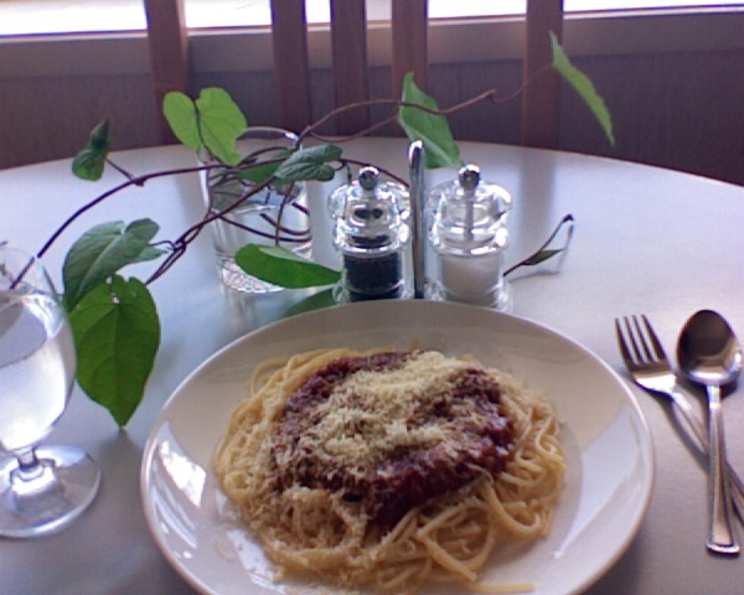
The Greatest, Most Flavoursome, Vegetarian Spaghetti!
The aroma always transports me back to my student days – the heady scent of garlic gently frying in olive oil, punctuated by the sharp tang of red wine vinegar. It was a culinary revelation, born out of necessity and a desperate craving for something more than bland, tomato-water pasta. This spaghetti, bursting with umami and bright acidity, became my signature dish, the one I’d whip up for impromptu gatherings, impressing friends with its surprising depth of flavour. Even now, decades later, the first bite evokes that feeling of youthful discovery and the joy of sharing good food with loved ones.
Recipe Overview
- Prep Time: 10 minutes
- Cook Time: 20 minutes
- Total Time: 30 minutes
- Servings: 2
- Dietary Type: Vegetarian
Ingredients
- 1 large garlic clove, finely chopped
- 1 tablespoon capers, chopped
- ¼ teaspoon paprika
- ¼ teaspoon cayenne pepper (optional)
- ½ teaspoon basil
- 1 (14 ounce) can chopped tomatoes
- 2 tablespoons brown sugar (approx)
- ½ teaspoon pepper
- ½ teaspoon salt (approx)
- 2 tablespoons red wine vinegar (approx)
- 4 tablespoons red wine
- ½ cup parmesan cheese, grated (for a vegan option, use nutritional yeast or a vegan parmesan alternative)
- Some olive oil
- Spaghetti, enough for 2 people
Equipment Needed
- Deep frypan or wok
- Large saucepan
Instructions
-
Pour about 2 tablespoons of olive oil into a deep frypan or wok. Place over very low heat.
-
Add the finely chopped garlic clove, chopped capers, paprika, cayenne pepper (if using), and basil. Fry for about 30 seconds, until the mixture becomes fragrant. It is crucial to keep the heat very low at this stage, as garlic burns easily and burnt garlic will ruin the flavour of the entire sauce.
-
Before the garlic burns, pour in the can of chopped tomatoes and stir to combine. Turn up the heat to medium.
-
Add the brown sugar, pepper, salt, red wine vinegar, and red wine. Stir thoroughly. Bring the sauce to a boil.
-
Taste the sauce. The flavour should be balanced between the salt, sugar, and vinegar. It should have a bit of a kick. If you can taste the sugar or vinegar quite strongly, adjust the seasoning very carefully. For example, if it tastes too vinegary, add another ¼ teaspoon of brown sugar.
-
Reduce the heat to medium, cover the pan, and simmer for 15 minutes, or until the sauce has reduced slightly and thickened. Check the sauce periodically to ensure it’s not sticking to the bottom of the pan. Stir occasionally.
-
While the sauce simmers, grate the parmesan cheese.
-
Bring a large saucepan of generously salted water to a boil. Don’t add oil to the pasta water; it’s unnecessary and can prevent the sauce from clinging to the pasta.
-
Add the spaghetti to the boiling water and cook according to the package instructions. Start testing the pasta for doneness about 2 minutes before the suggested cooking time. Try not to stir the pasta too much while it cooks, and be careful not to overcook it.
-
The pasta should be al dente – juicy and springy, not sticky and limp. Bite-test it every 30 seconds as it nears the end of the cooking time.
-
Once the pasta is cooked al dente, drain it immediately.
-
Toss the drained pasta with a drizzle of olive oil to prevent it from sticking together.
-
Divide the pasta between two plates. Top with the prepared sauce, grated parmesan cheese, and freshly cracked black pepper.
Expert Tips & Tricks
- Garlic Infusion: For an even deeper garlic flavour, try infusing the olive oil with garlic a few hours before cooking. Simply crush the garlic clove and let it sit in the olive oil at room temperature. Remove the garlic before heating the oil to prevent burning.
- Tomato Paste Boost: If you prefer a richer, more concentrated tomato flavour, add a tablespoon of tomato paste to the sauce along with the canned tomatoes.
- Wine Selection: Don’t feel obligated to use an expensive wine for this recipe. Any dry red wine will work well.
- Herb Power: Fresh basil, oregano, or parsley can be added at the end of cooking for a burst of freshness.
- Spice Level: Adjust the amount of cayenne pepper to control the level of heat. If you’re sensitive to spice, start with a pinch and add more to taste.
Serving & Storage Suggestions
Serve the spaghetti immediately while it’s hot and the sauce is at its peak flavour. Garnish with extra parmesan cheese and a sprinkle of fresh herbs for a more appealing presentation. This spaghetti pairs perfectly with a simple green salad and crusty garlic bread. A glass of dry red wine complements the dish beautifully.
Leftover spaghetti can be stored in an airtight container in the refrigerator for up to 3 days. To reheat, microwave until heated through, or gently warm in a saucepan over low heat. You may need to add a splash of water or tomato juice to prevent the pasta from drying out. While freezing is possible, the texture of the pasta may change slightly upon thawing.
Nutritional Information
| Nutrient | Amount per Serving | % Daily Value |
|---|---|---|
| Calories | 550 kcal | 28% |
| Total Fat | 20g | 31% |
| Saturated Fat | 8g | 40% |
| Cholesterol | 25mg | 8% |
| Sodium | 1200mg | 50% |
| Total Carbohydrate | 75g | 25% |
| Dietary Fiber | 5g | 20% |
| Sugars | 20g | – |
| Protein | 20g | 40% |
Variations & Substitutions
- Gluten-Free: Use gluten-free spaghetti for a gluten-free version of this dish.
- Vegan: Substitute the parmesan cheese with nutritional yeast or a vegan parmesan alternative.
- Spicy Arrabbiata: Increase the amount of cayenne pepper for a spicier arrabbiata-style sauce. Add a pinch of red pepper flakes for an extra kick.
- Vegetable Medley: Add sautéed vegetables like mushrooms, bell peppers, or zucchini to the sauce for a heartier meal.
- Creamy Tomato Sauce: Stir in a splash of heavy cream or coconut cream at the end of cooking for a richer, creamier sauce.
- Puttanesca Style: Add some chopped olives and anchovies for a more complex “Puttanesca” style flavour. (If adding anchovies it would, of course, no longer be vegetarian)
FAQs (Frequently Asked Questions)
Q: Can I use fresh tomatoes instead of canned?
A: Yes, absolutely! Use about 1.5 pounds of fresh tomatoes, peeled and chopped, in place of the canned tomatoes. You may need to adjust the cooking time slightly.
Q: Can I make this sauce ahead of time?
A: Yes, the sauce can be made ahead of time and stored in the refrigerator for up to 3 days. Reheat gently before serving. The flavours often meld together and improve with time.
Q: How do I prevent the pasta from sticking together after draining?
A: Toss the drained pasta with a drizzle of olive oil to prevent it from sticking. You can also add a small amount of the sauce to the pasta immediately after draining.
Q: Can I use dried herbs instead of fresh?
A: While fresh herbs are preferred, you can substitute with dried herbs. Use about 1 teaspoon of dried basil in place of the fresh basil.
Q: What other cheeses can I use besides parmesan?
A: Pecorino Romano, Asiago, or Grana Padano would all be delicious alternatives to parmesan cheese.
Final Thoughts
I truly believe this vegetarian spaghetti recipe deserves the title of “The Greatest, Most Flavoursome.” It’s simple, quick, and packed with incredible flavour that belies its humble ingredients. I encourage you to give it a try and experience the magic for yourself. Don’t be afraid to experiment with the seasonings and variations to create your own signature version. And please, share your feedback and culinary creations with me. Buon appetito!