
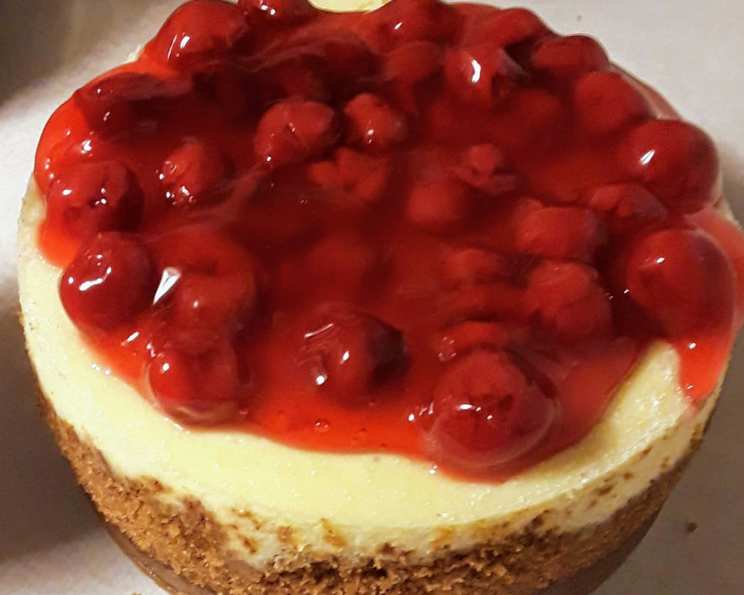
The Heavy One Cheesecake: A Culinary Masterpiece
My earliest memory of cheesecake isn’t some fancy patisserie creation, but rather my Aunt Millie’s legendary “Heavy One.” It was a behemoth of cream cheese, sugar, and pure indulgence, always served with a dollop of tart cherry pie filling. The density was astounding – one slice felt like a satisfying meal. The richness, however, was the real star. It lingered on the palate, a testament to Aunt Millie’s dedication to the art of decadence. Her “Heavy One” became synonymous with family gatherings and celebrations, a symbol of love and abundance shared around the table.
Recipe Overview
- Prep Time: 2 hours 35 minutes
- Cook Time: 1 hour 15 minutes
- Total Time: Overnight chilling
- Servings: 16
- Yield: 1 cheesecake
- Dietary Type: Not specified (High-Fat, High-Sugar)
Ingredients
- 5 (8 ounce) packages cream cheese, at room temperature
- 1 3/4 cups granulated sugar
- 3 tablespoons all-purpose flour
- 1/2 teaspoon grated lemon zest
- 1/2 teaspoon grated orange zest
- 2 egg yolks
- 5 large eggs
- 1/4 cup heavy cream
- Prepared crust (shortbread, graham cracker, or your preferred type) for a 10-inch springform pan
Equipment Needed
- Large mixing bowl
- Electric mixer (stand or hand-held)
- Rubber spatula
- Measuring cups and spoons
- 10-inch springform pan
- Oven
Instructions
-
Preheat your oven to 475 degrees F (246 degrees C). This initial high temperature is crucial for achieving the characteristic browning and texture of a New York-style cheesecake.
-
In a large mixing bowl, beat the cream cheese until it is light and fluffy. It is paramount that the cream cheese is at room temperature to avoid lumps and ensure a smooth, even consistency. This process may take several minutes, but patience is key.
-
Mix in the granulated sugar and all-purpose flour and continue beating until the mixture is smooth. The flour helps to stabilize the cheesecake and prevent it from cracking during baking. Be sure to scrape down the sides of the bowl to ensure everything is evenly incorporated.
-
Add the lemon zest and orange zest. These citrus zests add a subtle brightness that cuts through the richness of the cheesecake.
-
Add the egg yolks, then the large eggs, one at a time, thoroughly mixing after each addition with the mixer. It’s essential to fully incorporate each egg before adding the next to prevent overmixing. Overmixing can lead to a tough cheesecake.
-
Stir in the heavy cream, and mix only briefly until blended. The heavy cream adds extra richness and contributes to the creamy texture of the cheesecake. Avoid overmixing at this stage to prevent incorporating too much air.
-
Pour the mixture into the prepared crust in the 10-inch springform pan. Ensure the crust is evenly distributed and pressed firmly into the bottom and up the sides of the pan.
-
Bake for 15 minutes at 475 degrees F (246 degrees C). This initial high heat helps set the edges of the cheesecake and create a beautiful golden-brown top.
-
Reduce the oven temperature to 200 degrees F (93 degrees C) and continue to bake for 60 minutes. The lower temperature allows the cheesecake to cook gently and evenly, preventing it from cracking or becoming rubbery.
-
Turn the oven off and allow the cheesecake to sit inside while it cools down for another 60 minutes. This gradual cooling process helps prevent the cheesecake from collapsing or cracking as it cools.
-
Remove the cheesecake from the oven and allow it to cool to room temperature. Once cooled, chill in the refrigerator overnight. This chilling period is crucial for the cheesecake to fully set and develop its signature dense, creamy texture.
Expert Tips & Tricks
-
Water Bath (Optional): For an even creamier cheesecake, consider baking it in a water bath. Wrap the bottom of the springform pan tightly with aluminum foil to prevent water from seeping in. Place the wrapped pan in a larger roasting pan and add hot water to come halfway up the sides of the springform pan. This creates a humid environment in the oven, which helps prevent cracking and ensures even baking.
-
Preventing Cracks: Avoid opening the oven door frequently during baking, as sudden temperature changes can cause cracks.
-
Room Temperature Ingredients: Ensure all ingredients, especially the cream cheese, are at room temperature for optimal blending and a smooth, lump-free batter.
-
Checking for Doneness: The cheesecake is done when the edges are set, but the center still has a slight wobble. It will continue to set as it cools.
-
Crust Variations: Don’t be afraid to experiment with different crusts. A gingersnap crust or a chocolate cookie crust can add a unique flavor dimension.
Serving & Storage Suggestions
Serve the “Heavy One” Cheesecake chilled. It’s delicious on its own, but also pairs beautifully with fresh berries, whipped cream, chocolate sauce, or a fruit compote. Cherry pie filling, as Aunt Millie always served, is a classic choice.
Store leftover cheesecake in the refrigerator, tightly wrapped, for up to 5 days. For longer storage, freeze individual slices wrapped in plastic wrap and then in a freezer-safe bag for up to 2 months. Thaw frozen cheesecake in the refrigerator overnight before serving. Cheesecake is not recommended to leave at room temperature for more than 2 hours.
Nutritional Information
| Nutrient | Amount per Serving | % Daily Value |
|---|---|---|
| Calories | 374.2 kcal | N/A |
| Calories from Fat | 249 g | 67% |
| Total Fat | 27.7 g | 42% |
| Saturated Fat | 15.2 g | 76% |
| Cholesterol | 162.1 mg | 54% |
| Sodium | 252.7 mg | 10% |
| Total Carbohydrate | 26.2 g | 8% |
| Dietary Fiber | 0.1 g | 0% |
| Sugars | 24.2 g | 96% |
| Protein | 6.7 g | 13% |
Note: Nutritional information is an estimate and may vary based on specific ingredients and portion sizes.
Variations & Substitutions
-
Crust: For a gluten-free version, use a gluten-free shortbread crust or a crust made from almond flour and butter.
-
Flavorings: Experiment with different extracts, such as vanilla, almond, or rum extract.
-
Toppings: Get creative with toppings! Try caramel sauce, chopped nuts, or a sprinkle of cocoa powder.
-
Lemon Lovers: For a more pronounced lemon flavor, add more lemon zest and a tablespoon of lemon juice to the batter.
FAQs (Frequently Asked Questions)
Q: Why is it important for the cream cheese to be at room temperature?
A: Room temperature cream cheese blends more easily, resulting in a smoother, lump-free batter and a more consistent texture in the finished cheesecake.
Q: Can I use low-fat cream cheese?
A: While you can use low-fat cream cheese, it will affect the richness and texture of the cheesecake. The “Heavy One” is designed for maximum indulgence, so full-fat cream cheese is recommended.
Q: My cheesecake cracked! What did I do wrong?
A: Cracking can be caused by baking at too high a temperature, sudden temperature changes, or overbaking. Try using a water bath and avoiding opening the oven door during baking.
Q: How do I know when the cheesecake is done?
A: The cheesecake is done when the edges are set, but the center still has a slight wobble. It will continue to set as it cools.
Q: Can I freeze this cheesecake?
A: Yes, you can freeze the cheesecake. Wrap it tightly in plastic wrap and then in a freezer-safe bag. Thaw in the refrigerator overnight before serving.
Final Thoughts
The “Heavy One” Cheesecake isn’t just a dessert; it’s an experience. It’s a testament to simple ingredients transformed into something truly extraordinary. Don’t be intimidated by its richness; embrace it! Whether you’re a seasoned baker or a novice in the kitchen, I encourage you to try this recipe and create your own memories around this classic treat. Share it with loved ones, experiment with your favorite toppings, and savor every decadent bite. I’d love to hear your experiences and any variations you create, so please share your feedback!