
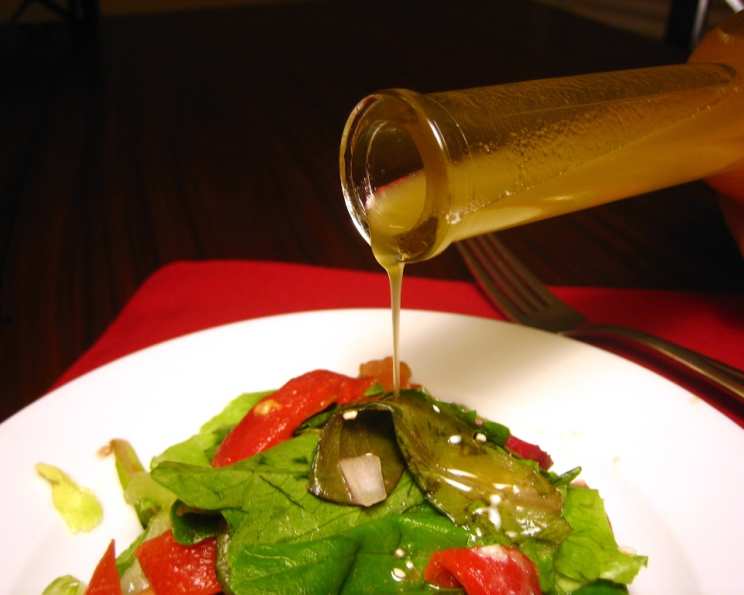
The Palm Restaurant Basic Vinaigrette: A Culinary Classic
My first taste of true, grown-up salad dressing came at The Palm. As a child tagging along with my father on business trips, the restaurant’s iconic caricatures and buzzing atmosphere felt like stepping into another world. While I was more interested in the colossal lobster, I distinctly remember dipping a piece of crusty bread into the vibrant, tangy vinaigrette that graced our table. It was a revelation – so much brighter and fresher than anything I’d ever tasted before, and it sparked a lifelong fascination with the art of crafting the perfect vinaigrette. This recipe, faithfully adapted from The Palm Restaurant Cookbook, captures that essence perfectly.
Recipe Overview:
- Prep Time: 5 minutes
- Yields: 1 cup
- Serves: 16
- Dietary Type: Vegan, Gluten-Free, Dairy-Free, Keto
Ingredients:
- ¼ cup good-quality red wine vinegar
- 1 garlic clove, pressed
- 1 teaspoon fine sea salt
- ¾ cup extra virgin olive oil
Equipment Needed:
- Jar with a tight-fitting lid or a small bowl and whisk
Instructions:
- Combine the red wine vinegar, pressed garlic, and sea salt in a jar that will seal tightly. Alternatively, you can use a small bowl.
- Add the extra virgin olive oil to the jar (or bowl).
- Seal the jar tightly and shake vigorously until the mixture is emulsified. If using a bowl, whisk the ingredients together until they form a cohesive, slightly thickened dressing. This may take a minute or two of vigorous whisking.
Expert Tips & Tricks:
- Quality Matters: The secret to a truly exceptional vinaigrette lies in using high-quality ingredients. Opt for a robust, flavorful extra virgin olive oil and a good-quality red wine vinegar. The difference in flavor will be noticeable.
- Garlic Intensity: Pressing the garlic releases its pungent oils. If you prefer a milder garlic flavor, mince the clove very finely instead of pressing it. You can also steep a whole garlic clove in the vinegar for an hour or so, then remove it before adding the oil.
- Emulsification is Key: A well-emulsified vinaigrette is smooth and creamy, rather than separated and oily. Shaking (or whisking) vigorously is crucial for achieving this. The smaller the droplets of oil dispersed in the vinegar, the better the emulsification.
- Taste and Adjust: Before serving, always taste the vinaigrette and adjust the seasoning to your liking. You may want to add a pinch more salt, a grind of black pepper, or a touch of honey or maple syrup for a hint of sweetness.
- Temperature: Olive oil can solidify at refrigerator temperatures. To ensure a smooth, emulsified dressing, bring it to room temperature before serving.
- Make-Ahead Preparation: This vinaigrette can be made several days in advance and stored in the refrigerator. Just be sure to bring it to room temperature and shake it well before using.
Serving & Storage Suggestions:
This classic vinaigrette is incredibly versatile and can be used in a variety of ways.
- Salads: Of course! Toss it with your favorite greens, vegetables, and proteins for a simple and delicious salad. It pairs particularly well with bitter greens like arugula and radicchio.
- Marinades: Use it as a marinade for chicken, fish, or vegetables before grilling or roasting. The acidity of the vinegar will help to tenderize the meat and infuse it with flavor.
- Drizzling: Drizzle it over grilled vegetables, roasted potatoes, or even a simple plate of sliced tomatoes.
- Storage: The vinaigrette can be kept, refrigerated, for up to 10 days. Once it has been refrigerated, let stand at room temperature for 10 minutes before shaking so the olive oil will flow. Always shake well again just before tossing with a salad.
Nutritional Information:
| Nutrient | Amount per Serving | % Daily Value |
|---|---|---|
| Calories | 90 kcal | 5% |
| Total Fat | 10g | 15% |
| Saturated Fat | 1.4g | 6% |
| Cholesterol | 0mg | 0% |
| Sodium | 146mg | 6% |
| Total Carbohydrate | 0.1g | 0% |
| Dietary Fiber | 0g | 0% |
| Sugars | 0g | 0% |
| Protein | 0g | 0% |
Note: Nutritional information is an estimate and may vary based on specific ingredients used.
Variations & Substitutions:
- Herb Infusion: Add a tablespoon of finely chopped fresh herbs, such as parsley, chives, or oregano, to the vinaigrette for an extra layer of flavor.
- Citrus Zest: A little lemon or orange zest adds a bright, citrusy note.
- Dijon Mustard: A teaspoon of Dijon mustard will help to emulsify the vinaigrette and add a tangy flavor.
- Shallot Variation: Substitute the garlic for a finely minced shallot for a slightly more delicate flavor.
- Vinegar Variety: Experiment with different types of vinegar, such as balsamic, white wine vinegar, or apple cider vinegar, to create unique flavor profiles.
- Sweetness Boost: Include a half teaspoon of honey, maple syrup, or agave for a slightly sweeter vinaigrette.
FAQs (Frequently Asked Questions):
Q: Why is my vinaigrette separating?
A: Vinaigrette separates because oil and vinegar are naturally immiscible. Shaking or whisking vigorously helps to temporarily emulsify them, but over time they will separate again. This is normal! Just shake or whisk again before using.
Q: Can I use a blender or food processor to make the vinaigrette?
A: Yes, you can use a blender or food processor for a more stable emulsion, but be careful not to over-process it. Add the oil in a slow, steady stream while the blender or processor is running.
Q: How do I know if my vinaigrette is properly emulsified?
A: A properly emulsified vinaigrette will be slightly thickened and opaque, rather than separated and oily. It should coat the back of a spoon evenly.
Q: Can I add other ingredients to the vinaigrette?
A: Absolutely! Feel free to experiment with different herbs, spices, and flavorings to create your own signature vinaigrette.
Q: What if I don’t have red wine vinegar?
A: You can substitute with white wine vinegar, apple cider vinegar, or balsamic vinegar, but the flavor will be slightly different.
Final Thoughts:
This simple yet elegant vinaigrette is a testament to the power of good ingredients and proper technique. Don’t be intimidated by its simplicity – it’s a foundational recipe that will elevate your salads and other dishes to new heights. So, gather your ingredients, embrace the shake (or whisk!), and prepare to taste the difference that a truly great vinaigrette can make. I encourage you to experiment with different variations and share your creations. Bon appétit!