
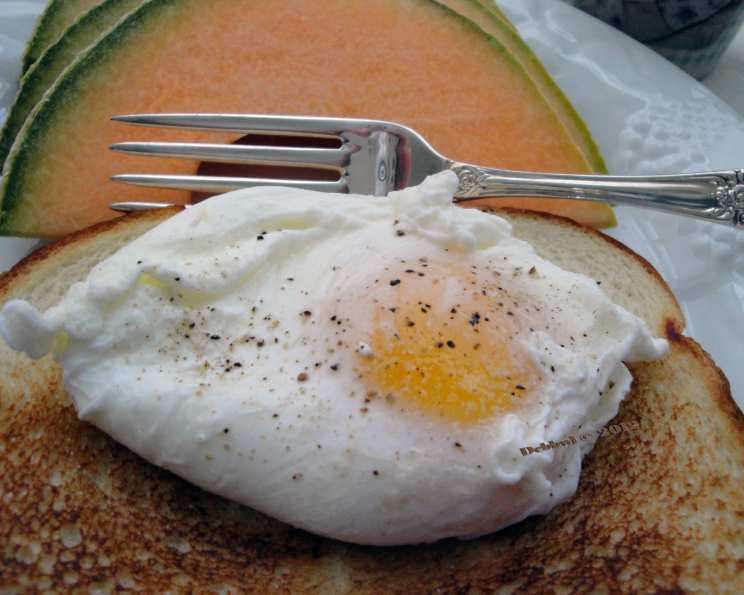
The Perfect Poached Egg: A Chef’s Guide to Liquid Gold
My grandmother, a woman who considered a perfectly set table a moral imperative, always began Sunday brunch with poached eggs. I can still picture her meticulously crafting each one, the anticipation building as we watched the delicate orbs emerge from the shimmering water. She’d serve them atop toasted sourdough, draped with hollandaise and sprinkled with fresh chives. It wasn’t just a meal; it was a ritual, a testament to the simple elegance of honest ingredients treated with care. And though I’ve cooked in Michelin-starred kitchens, I still think of my grandmother whenever I’m faced with the task of poaching an egg. Her patient guidance taught me that mastering this classic is within everyone’s reach.
Recipe Overview
- Prep Time: 5 minutes
- Cook Time: 7 minutes
- Total Time: 12 minutes
- Servings: 2
- Yield: 2 poached eggs
- Dietary Type: Gluten-Free, Dairy-Free
Ingredients
- 1 cup distilled white vinegar
- 2 large eggs, fresh
- Water
- Salt
- Pepper
Equipment Needed
- 2 small bowls
- Medium saucepan
- Whisk
- Slotted spoon
- Kitchen shears
- Paper towels
Instructions
-
The key to a perfect poached egg is freshness. If the egg isn’t fresh, the egg white tends to spread out into those unappetizing, jellyfish-like tendrils. To test for freshness, gently drop the egg into a bowl of water. If it sinks and lies flat, it’s fresh and perfect for poaching and soufflés. If it stays submerged but sits with its wide-end up, it’s older but still good for most recipes. If it floats, discard it.
-
Pour 1/2 cup of distilled white vinegar into each of the two small bowls. Gently crack 1 egg into each bowl, taking care not to break the yolk. The vinegar helps the egg white coagulate quickly. Let the eggs stand in the vinegar for 5 minutes.
-
Meanwhile, bring a medium saucepan of water to a boil over medium-high heat. The saucepan should be deep enough to allow the eggs to move freely.
-
Once the water is boiling, reduce the heat slightly to maintain a gentle simmer, not a raging boil. Using a whisk, vigorously swirl the water to create a vortex in the center of the pan. This helps the egg white wrap around the yolk.
-
Carefully slip 1 egg (along with the vinegar it has been sitting in) into the vortex. Continue to swirl the water with the whisk around the edges of the pan until the water returns to a gentle simmer. The egg white should begin to wrap tightly around the yolk, forming an oval shape.
-
As soon as the water returns to a simmer, reduce the heat to medium-low and gently simmer the egg, frequently swirling the water, for 2 minutes. The cooking time will vary slightly depending on the size of the egg and your desired level of doneness. For a runny yolk, 2 minutes is usually perfect.
-
Using a slotted spoon, carefully lift the egg from the water. Use kitchen shears to trim any stray pieces of egg white that may have separated.
-
Place the poached egg on paper towels and gently blot off any excess water. This prevents a watery mess on your plate.
-
Transfer the poached egg to a bowl or plate. Repeat steps 5-8 with the remaining egg.
-
Season the poached eggs with salt and pepper to taste. Serve immediately.
Expert Tips & Tricks
- The Vinegar Trick: Don’t skip the vinegar! While some argue about its necessity, it truly helps the egg white coagulate faster, resulting in a neater poached egg.
- The Swirl is Key: Creating that vortex in the water is crucial for achieving a good shape.
- Temperature Control: Maintaining a gentle simmer is paramount. A rolling boil will result in ragged, torn eggs.
- Don’t Overcrowd: Poach only one or two eggs at a time to prevent the water temperature from dropping too much.
- Make-Ahead Magic: Poached eggs can be made ahead of time. Plunge them into an ice bath immediately after poaching to stop the cooking process. Store them in cold water in the refrigerator for up to 24 hours. To reheat, gently warm them in hot (not boiling) water for about 30 seconds.
Serving & Storage Suggestions
Serve your perfectly poached eggs immediately for the best texture and flavor. They’re delicious on toast, avocado toast, eggs Benedict, salads, or even as a topping for grilled vegetables.
If you have leftover poached eggs, store them submerged in cold water in an airtight container in the refrigerator for up to 24 hours. As mentioned above, reheat them gently in hot water before serving. Do not freeze poached eggs, as the texture will become rubbery.
Nutritional Information
| Nutrient | Amount per Serving | % Daily Value |
|---|---|---|
| Calories | 93 kcal | 5% |
| Calories from Fat | 42 kcal | |
| Total Fat | 4.8 g | 7% |
| Saturated Fat | 1.6 g | 8% |
| Cholesterol | 186 mg | 62% |
| Sodium | 73 mg | 3% |
| Total Carbohydrate | 0.4 g | 0% |
| Dietary Fiber | 0 g | 0% |
| Sugars | 0.2 g | |
| Protein | 6.3 g | 13% |
Variations & Substitutions
- Herb Infusion: Add fresh herbs like thyme or rosemary to the poaching water for a subtle flavor infusion.
- Spicy Kick: A pinch of red pepper flakes in the poaching water adds a touch of heat.
- Wine-Poached Eggs: Substitute some of the water with white wine for a richer flavor.
- Different Vinegars: Experiment with different types of vinegar, such as apple cider vinegar or white wine vinegar, for subtle flavor variations. However, distilled white vinegar is often preferred due to its neutral flavor.
FAQs (Frequently Asked Questions)
Q: Why is my egg white spreading out in the water?
A: This is usually due to the egg not being fresh enough. Fresher eggs have tighter whites that are less likely to spread. Adding vinegar to the water also helps the egg white coagulate.
Q: How do I prevent the egg from sticking to the bottom of the pan?
A: Make sure the water is simmering gently and that you are swirling the water frequently. The movement will help prevent sticking.
Q: Can I use eggs straight from the refrigerator?
A: While you can, it’s generally recommended to let the eggs sit at room temperature for about 15 minutes before poaching. This helps them cook more evenly.
Q: How do I know when the egg is done?
A: The egg white should be fully cooked and opaque, while the yolk should still be runny. Gently poke the yolk with your finger; it should feel soft and jiggly.
Q: Can I poach eggs in advance?
A: Yes! As described in the “Expert Tips & Tricks” section, you can poach the eggs, shock them in ice water, and store them in the refrigerator for up to 24 hours. Gently reheat them in hot water before serving.
Final Thoughts
The perfect poached egg may seem daunting, but with a little practice and these helpful tips, you’ll be crafting golden masterpieces in no time. Don’t be discouraged by initial failures; even seasoned chefs have their off days. The reward of a perfectly poached egg, with its delicate white and runny yolk, is well worth the effort. Pair it with a crispy slice of bacon, a side of creamy avocado, and a steaming cup of coffee for a truly unforgettable breakfast or brunch. Share your creations and any additional tips you discover. Bon appétit!