
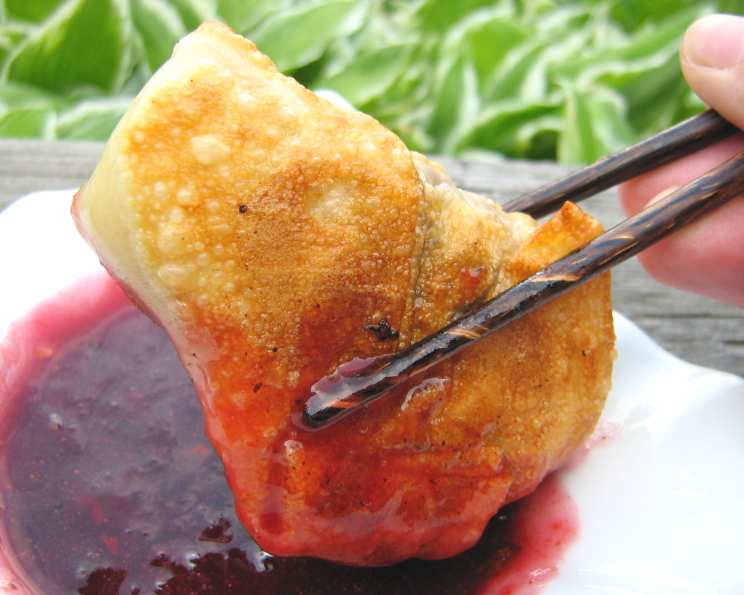
The Secret to Perfect Gyoza & Pot Stickers
I’ll never forget the first time I tasted truly transcendent gyoza. It was a tiny, unassuming stall in Kyoto, tucked away in a bustling market. The air hung thick with the aroma of sizzling sesame oil and ginger. As I bit into the crispy, golden-brown dumpling, the explosion of savory pork, sweet cabbage, and umami-rich soy sauce sent shivers down my spine. It was a revelation, a testament to the power of simple ingredients and meticulous technique. I knew right then that I had to unlock the secrets to creating gyoza perfection at home.
Recipe Overview:
- Prep Time: 20 minutes
- Cook Time: 5 minutes
- Total Time: 25 minutes
- Servings: Varies based on filling size; recipe yields enough filling for approximately 30-40 gyoza
- Yield: 30-40 gyoza
- Dietary Type: Not specified; depends on gyoza skins used (can be gluten-free if specified).
Ingredients:
- Gyoza Skins: (Quantity depends on desired yield, typically a package of 30-40)
For the Filling:
- 200 g ground pork
- 1/3 cup boiled and chopped cabbage (make sure to squeeze out excess water!)
- 2 tablespoons chopped leeks (white and light green parts only)
- 1 garlic clove, chopped finely
- 1/2 teaspoon grated gingerroot
- 2 teaspoons soy sauce
- 1 teaspoon sake (or dry sherry as a substitute)
- 1 teaspoon sesame oil
- 1 teaspoon sugar
- Salt, to taste
- Pepper, to taste
- Vegetable Oil, for frying
- Boiling Water
Equipment Needed:
- Large mixing bowl
- Cutting board
- Chef’s knife
- Garlic press or microplane (for ginger)
- Teaspoon
- Small bowl of water
- Non-stick skillet with lid
Instructions:
-
Prepare the Filling: In a large mixing bowl, combine the ground pork, soy sauce, sake, sesame oil, sugar, salt, and pepper.
-
The Key to Texture: Here’s where the magic happens! Use your hands to mix the meat and seasonings thoroughly. Continue mixing vigorously until the mixture changes texture and becomes sticky and cohesive. This process emulsifies the fat and protein, creating a wonderfully tender and juicy filling.
-
Incorporate the Vegetables: Add the boiled and chopped cabbage, chopped leeks, chopped garlic, and grated gingerroot to the meat mixture.
-
Mix thoroughly: Again, using your hands, mix everything very, very well until the vegetables are evenly distributed and the mixture holds together without falling apart. The consistency should be firm enough to easily form into small balls.
-
Assemble the Gyoza: Lay out several gyoza skins on a clean work surface. Place a teaspoonful of the filling in the center of each wrapper.
-
Seal the Gyoza: Dip your finger in the small bowl of water and lightly moisten the edge of the wrapper. Fold the wrapper in half to form a semicircle. Pleat the front side of the wrapper, gathering the edge as you seal it to the back side. This creates the characteristic crescent shape of gyoza. Ensure the top is completely sealed to prevent the filling from leaking out during cooking.
-
The Boiling Step: Heat a non-stick skillet over medium-high heat. Arrange the gyoza in the pan, flat-bottom down.
-
Add the Boiling Water: Carefully pour boiling water into the pan, ensuring the water level reaches approximately half the height of the gyoza. Do not add too much or too little water.
-
Steam Cook: Immediately cover the pan with a lid and let the gyoza boil/steam for precisely 3 minutes. Do not lift the lid during this time. This step cooks the filling and tenderizes the wrapper.
-
Drain & Fry: After 3 minutes, carefully remove the lid and drain off any excess water from the pan.
-
Add the Oil: Add vegetable oil to the pan, enough to coat the bottom lightly.
-
Crisp the Bottoms: Let the gyoza fry in the oil for exactly 1 minute and 30 seconds. Watch carefully to prevent burning. The bottoms should turn a beautiful golden brown and become crispy.
-
Serve Immediately: Remove the gyoza from the pan and serve hot with your favorite dipping sauce (soy sauce, rice vinegar, chili oil).
Expert Tips & Tricks:
- Cabbage Preparation: Properly draining the cabbage is crucial. Excess moisture will make the filling soggy and difficult to work with. After boiling, squeeze the chopped cabbage in a clean kitchen towel to remove as much water as possible.
- Meat Quality: Use good quality ground pork with a moderate fat content (around 20%). The fat adds flavor and moisture to the filling.
- Kneading Matters: Don’t skimp on the kneading! The vigorous mixing process is essential for achieving the right texture and binding the filling ingredients together.
- Consistent Size: Try to make all the gyoza the same size for even cooking.
- Freezing Gyoza: Gyoza can be made ahead and frozen. Place the assembled gyoza on a baking sheet lined with parchment paper and freeze until solid. Then, transfer them to a freezer bag or container. Cook from frozen, adding a minute or two to the steaming time.
Serving & Storage Suggestions:
Serve gyoza immediately while they are hot and crispy. Arrange them artfully on a plate, showcasing their golden-brown bottoms. A side of dipping sauce is essential.
Leftover cooked gyoza can be stored in an airtight container in the refrigerator for up to 2 days. Reheat in a skillet with a little oil or steam them gently to retain their texture.
Do not leave gyoza at room temperature for more than 2 hours.
Nutritional Information:
| Nutrient | Amount per Serving | % Daily Value |
|---|---|---|
| Calories | 150 kcal | 8% |
| Total Fat | 8g | 12% |
| Saturated Fat | 3g | 15% |
| Cholesterol | 30mg | 10% |
| Sodium | 200mg | 9% |
| Total Carbohydrate | 5g | 2% |
| Dietary Fiber | 1g | 4% |
| Sugars | 1g | N/A |
| Protein | 7g | 14% |
Nutritional information is an estimate and may vary based on specific ingredients and portion sizes.
Variations & Substitutions:
- Vegetarian Gyoza: Substitute the ground pork with finely chopped mushrooms, tofu, or a combination of vegetables like carrots, spinach, and water chestnuts.
- Chicken Gyoza: Use ground chicken instead of pork.
- Shrimp Gyoza: Combine ground shrimp with a small amount of ground pork for a seafood twist.
- Spicy Gyoza: Add a pinch of chili flakes or a teaspoon of gochujang to the filling for a spicy kick.
- Different Dipping Sauces: Experiment with different dipping sauces, such as ponzu sauce, sesame ginger sauce, or a simple mixture of soy sauce and vinegar with a dash of chili oil.
- Gluten-Free Gyoza: Look for gluten-free gyoza skins. They are becoming more readily available in Asian grocery stores and some specialty supermarkets.
FAQs (Frequently Asked Questions):
Q: Why is it important to mix the filling with my hands?
A: Mixing with your hands allows you to feel the texture of the filling and ensure that the meat is properly emulsified. This creates a more tender and juicy filling.
Q: Can I use a food processor to chop the vegetables?
A: While you can use a food processor, be careful not to over-process the vegetables. You want them finely chopped but not pureed.
Q: What if I can’t find sake?
A: Dry sherry is a good substitute for sake in this recipe.
Q: How do I prevent the gyoza from sticking to the pan?
A: Use a non-stick skillet and make sure the pan is properly heated before adding the gyoza. Also, don’t overcrowd the pan.
Q: My gyoza are burning on the bottom. What am I doing wrong?
A: Reduce the heat slightly during the frying step and make sure there is enough oil in the pan.
Final Thoughts:
Making gyoza at home may seem daunting at first, but with a little practice and attention to detail, you can achieve restaurant-quality results. The key is to follow the steps carefully and don’t be afraid to experiment with different fillings and dipping sauces. Gather your friends and family, put on some music, and turn gyoza-making into a fun and interactive culinary experience. I encourage you to give this recipe a try and share your creations with me! Pair them with a crisp Asahi beer or a pot of steaming green tea for the ultimate at-home izakaya experience. Enjoy!