
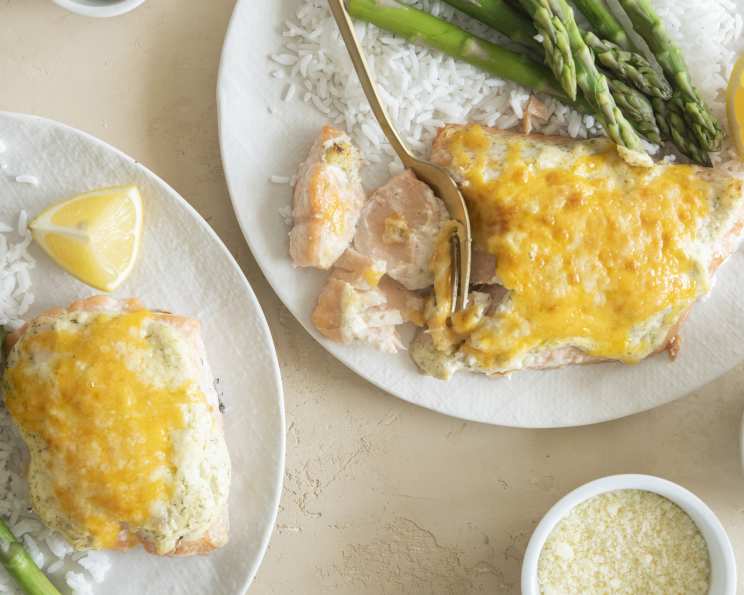
The Ultimate Salmon Fillets: A Chef’s Secret to Flaky Perfection
The first time I made salmon that truly wowed me, it wasn’t in a fancy restaurant, but in my tiny apartment kitchen, armed with a simple recipe and a whole lot of hope. I remember the satisfying crackle as I slid the baking dish from the oven, the aroma of dill and parmesan filling the air. That first bite, with its flaky tenderness and creamy, flavorful topping, transformed my understanding of salmon from a weeknight staple to a dish worthy of celebration. This recipe, refined and perfected over years of experimenting, is my gift to you – a guaranteed path to salmon nirvana.
Recipe Overview
- Prep Time: 15 minutes
- Cook Time: 20 minutes
- Total Time: 35 minutes
- Servings: 3-4
- Dietary Type: Pescatarian
Ingredients
- 1 lb salmon fillet
- ⅓ cup sour cream (light is fine) or yogurt
- 2 teaspoons prepared mustard
- 2 teaspoons onions, finely minced
- 2 teaspoons dried dill weed
- 3 tablespoons mayonnaise (light is fine)
- 2 tablespoons parmesan cheese, grated
- ½ cup cheddar cheese, grated (optional)
- Paprika
- Salt and pepper to taste
- Lemon wedges for serving
Equipment Needed
- Baking dish
- Small mixing bowl
- Grater
- Measuring spoons and cups
Instructions
-
Preheat your oven to 450°F (232°C). Ensuring your oven is properly preheated is crucial for even cooking and preventing the salmon from sticking.
-
If using frozen salmon, partially thaw the fillets. You want them pliable enough to cut into serving-size pieces, but still slightly firm. This helps maintain their shape during cooking.
-
Lightly grease a baking dish. This prevents the salmon from sticking and makes cleanup a breeze. A simple coating of cooking spray or a thin layer of olive oil works perfectly.
-
Place the salmon fillets in the prepared baking dish, ensuring they are not overcrowded. Overcrowding can lead to steaming rather than baking, which results in a less desirable texture.
-
In a small mixing bowl, combine the sour cream (or yogurt), mustard, finely minced onions, dill weed, and mayonnaise. Mix thoroughly until all ingredients are evenly incorporated. This mixture forms the creamy, flavorful base for the salmon topping.
-
Season the mixture with salt and pepper to taste. Remember that salmon is delicate, so don’t over-salt. Taste and adjust as needed.
-
Spread the sour cream mixture evenly over the salmon fillets, ensuring each piece is fully coated. This topping will create a protective layer, keeping the salmon moist and flavorful during baking.
-
Bake for 20 minutes per inch of thickness if the salmon is still partially frozen, or 10-12 minutes if fully thawed. Cooking time is crucial for achieving perfectly cooked salmon. Use a fork to gently flake the thickest part of the fillet to check for doneness. The salmon should be opaque and easily flake apart.
-
Once the salmon is just cooked through, remove the baking dish from the oven.
-
Sprinkle the parmesan cheese and optional cheddar cheese evenly over the top of the salmon fillets. Then, lightly dust with paprika for a touch of color and subtle smoky flavor.
-
Turn on your broiler and broil for 1 minute, or until the cheese is bubbly and flecked with brown. Watch carefully, as broiling can quickly burn the cheese. The goal is to achieve a slightly golden-brown crust that adds texture and visual appeal.
-
Remove from the oven and serve immediately with lemon wedges. The lemon juice adds a bright, acidic counterpoint to the richness of the salmon and creamy topping.
Expert Tips & Tricks
- Don’t overcook the salmon! It’s better to slightly undercook it, as it will continue to cook slightly as it rests. Overcooked salmon is dry and tough.
- For extra flavor, try adding a pinch of garlic powder or a dash of hot sauce to the sour cream mixture.
- If you don’t have fresh dill, you can use dried dill, but use half the amount as the flavor is more concentrated.
- To prevent the salmon from sticking, you can line the baking dish with parchment paper.
- If you want to prepare the salmon ahead of time, you can assemble the topping and spread it over the fish, then cover and refrigerate for up to 24 hours before baking. Add a couple of minutes to the cooking time to compensate for the colder temperature of the fish.
Serving & Storage Suggestions
Serve these magnificent salmon fillets immediately while they’re hot and the cheese is bubbly. They pair beautifully with roasted asparagus, steamed green beans, or a simple side salad. Leftover salmon can be stored in an airtight container in the refrigerator for up to 2 days. To reheat, gently warm in a 300°F (150°C) oven or microwave until heated through. Microwaving can sometimes make the salmon slightly rubbery, so the oven is the preferred method. Salmon is best enjoyed fresh, but properly stored leftovers can still be delicious.
Nutritional Information
| Nutrient | Amount per Serving | % Daily Value |
|---|---|---|
| Calories | 320 kcal | 16% |
| Total Fat | 20g | 31% |
| Saturated Fat | 8g | 40% |
| Cholesterol | 95mg | 32% |
| Sodium | 280mg | 12% |
| Total Carbohydrate | 3g | 1% |
| Dietary Fiber | 0g | 0% |
| Sugars | 2g | – |
| Protein | 30g | 60% |
Variations & Substitutions
- Dairy-Free: Substitute the sour cream with a plant-based yogurt alternative and use a dairy-free cheese for the topping.
- Spice it up: Add a pinch of red pepper flakes to the sour cream mixture for a kick of heat.
- Herb Garden: Experiment with different herbs like tarragon, parsley, or chives in place of dill.
- Mediterranean Twist: Add sun-dried tomatoes, olives, and feta cheese to the topping.
- Swap the Fish: Although this recipe is specifically for salmon, it can work well with other fish like cod or halibut. Adjust cooking times accordingly.
FAQs (Frequently Asked Questions)
Q: Can I use frozen salmon for this recipe?
A: Yes, you can use frozen salmon, but make sure to partially thaw it before baking for the best results. Fully thawing is also acceptable.
Q: What if I don’t have sour cream?
A: Plain yogurt is a great substitute for sour cream. Light or Greek yogurt will both work well.
Q: Can I use fresh onions instead of minced onions?
A: Yes, you can use fresh onions. Just make sure to mince them very finely so they cook through evenly.
Q: How do I know when the salmon is done?
A: The salmon is done when it flakes easily with a fork and is opaque throughout. An internal temperature of 145°F (63°C) is ideal.
Q: Can I make this ahead of time?
A: You can prepare the topping and spread it over the salmon, then cover and refrigerate for up to 24 hours before baking. Add a few minutes to the cooking time.
Final Thoughts
This salmon recipe is more than just a set of instructions; it’s a gateway to perfectly cooked, flavorful salmon that will impress your family and friends. Don’t be afraid to experiment with different herbs and cheeses to create your own signature version. I encourage you to try this recipe and share your feedback – I’m confident it will become a staple in your kitchen, just as it has in mine. Serve it with a crisp white wine and enjoy the taste of pure culinary delight!