
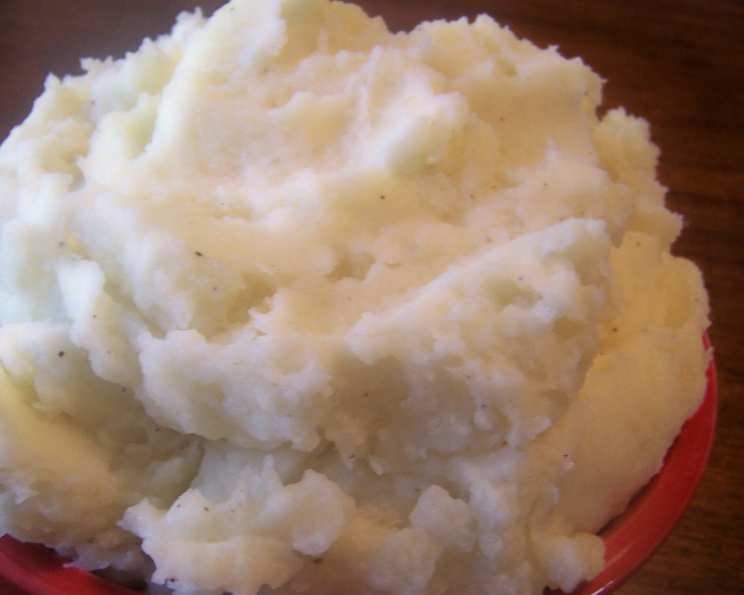
The Very Best Mashed Potatoes
My grandmother, bless her heart, was a woman of simple tastes, but she had a secret weapon when it came to holiday dinners: her mashed potatoes. They weren’t just sustenance; they were a hug on a plate. I remember standing on a stool in her kitchen, watching her work her magic with a hand-cranked masher and a glug of something mysterious from a small bottle tucked away in the pantry. Years later, I discovered her “secret ingredient” wasn’t some exotic spice, but a simple splash of vinegar, which somehow elevated those humble potatoes to something truly special. This recipe, adapted from a treasured family favorite, captures that same comforting magic.
Recipe Overview
- Prep Time: 15 minutes
- Cook Time: 25 minutes
- Total Time: 40 minutes
- Servings: 12-14
- Dietary Type: Gluten-Free
Ingredients
- 3 1/2 lbs russet potatoes, peeled and cut into cubes
- 2/3 cup milk
- 1/3 cup heavy cream
- 6 tablespoons butter
- 1/2 teaspoon cider vinegar
- Salt and pepper to taste
Equipment Needed
- Large saucepan
- Potato masher or electric mixer
- Measuring cups and spoons
Instructions
-
In a large saucepan, place the cubed potatoes and cover with cold, salted water. Bring to a boil over high heat, then reduce the heat to medium and simmer until the potatoes are tender and easily pierced with a fork. This typically takes about 15-20 minutes.
-
Once the potatoes are cooked, drain them thoroughly using a colander. Be sure to remove as much water as possible; this will prevent your mashed potatoes from becoming watery.
-
Return the drained potatoes to the saucepan. Place the saucepan over low heat for a minute or two, stirring constantly, to dry the potatoes further. This step is crucial for achieving a light and fluffy texture.
-
Add the milk, heavy cream, and butter to the saucepan.
-
Using a potato masher or an electric mixer, mash the potatoes until they reach your desired consistency. If using a masher, work the potatoes until they are smooth, but be careful not to overwork them, as this can result in gluey potatoes. If using an electric mixer, start on low speed and gradually increase to medium speed, being mindful not to overmix.
-
Stir in the cider vinegar, mixing well to incorporate it evenly throughout the potatoes.
-
Season the mashed potatoes with salt and pepper to taste. Start with a generous pinch of each and adjust as needed. Remember that the potatoes will taste less salty once they have cooled slightly.
-
Serve immediately and enjoy!
Expert Tips & Tricks
- Choosing the Right Potato: Russet potatoes are ideal for mashed potatoes due to their high starch content, which results in a light and fluffy texture. Yukon Gold potatoes can also be used for a creamier, slightly denser mash. Avoid waxy potatoes like red potatoes, as they tend to become gluey when mashed.
- Warming the Dairy: Warm the milk and cream before adding them to the potatoes. This helps the ingredients incorporate more easily and prevents the potatoes from cooling down too quickly. You can warm them in a saucepan over low heat or in the microwave.
- Adding Flavor: Get creative with your flavorings! Roasted garlic, fresh herbs like rosemary or thyme, or a sprinkle of grated Parmesan cheese can add a delicious twist to your mashed potatoes.
- Keeping Warm: If you need to keep your mashed potatoes warm before serving, place them in a heatproof bowl set over a pot of simmering water (a double boiler). Stir occasionally to prevent a skin from forming.
- Avoiding Gluey Potatoes: The key to avoiding gluey mashed potatoes is to not overwork them. Whether you’re using a masher or an electric mixer, be gentle and stop as soon as the potatoes are smooth and creamy.
- Make Ahead Tip: Cool, cover and refrigerate up to 2 days.
Serving & Storage Suggestions
Serve your delicious mashed potatoes hot as a side dish to accompany a variety of meals, from roasted chicken or steak to hearty stews or vegetarian entrees. For a beautiful presentation, garnish with a sprinkle of fresh herbs, a pat of butter, or a drizzle of olive oil.
To store leftovers, transfer the mashed potatoes to an airtight container and refrigerate. They will keep for up to 3-4 days. To reheat, microwave at half-power, stirring every 3 minutes until hot. You can also reheat them in a saucepan over low heat, adding a splash of milk or cream if needed to restore their creamy texture. They can also be frozen for up to 2 months. Thaw overnight in the refrigerator before reheating.
Nutritional Information
| Nutrient | Amount per Serving | % Daily Value |
|---|---|---|
| Calories | 184.4 kcal | N/A |
| Calories from Fat | 79 kcal | N/A |
| Total Fat | 8.8 g | 13% |
| Saturated Fat | 5.5 g | 27% |
| Cholesterol | 26.2 mg | 8% |
| Sodium | 58 mg | 2% |
| Total Carbohydrate | 23.9 g | 7% |
| Dietary Fiber | 2.9 g | 11% |
| Sugars | 1.1 g | 4% |
| Protein | 3.3 g | 6% |
Note: Nutritional information is an estimate and may vary based on specific ingredients and preparation methods.
Variations & Substitutions
- Garlic Mashed Potatoes: Roast a head of garlic and mash the cloves into the potatoes along with the milk, cream, and butter.
- Herb Mashed Potatoes: Stir in fresh herbs like rosemary, thyme, or chives for a fragrant and flavorful twist.
- Cheesy Mashed Potatoes: Add shredded cheddar, Parmesan, or Gruyere cheese to the potatoes for a rich and cheesy flavor.
- Vegan Mashed Potatoes: Substitute the milk and cream with unsweetened almond milk or soy milk, and use vegan butter or olive oil in place of dairy butter.
- Skin-On Mashed Potatoes: Leave the skins on the potatoes for a more rustic and nutritious mash. Simply scrub the potatoes well before cooking.
- Sweet Potato Mash: Use sweet potatoes instead of russet potatoes for a naturally sweet and vibrant mash.
- Loaded Mashed Potatoes: Top the mashed potatoes with bacon bits, shredded cheese, sour cream, and chives for a decadent and satisfying side dish.
FAQs (Frequently Asked Questions)
Q: Why is it important to drain the potatoes well after boiling?
A: Draining the potatoes thoroughly removes excess water, preventing the mashed potatoes from becoming watery and ensuring a light and fluffy texture.
Q: What is the secret to avoiding gluey mashed potatoes?
A: The key is to avoid overworking the potatoes. Whether using a masher or an electric mixer, be gentle and stop as soon as the potatoes are smooth and creamy.
Q: Can I make mashed potatoes ahead of time?
A: Yes, mashed potatoes can be made ahead of time. Cool, cover, and refrigerate for up to 2 days. Reheat gently, adding a splash of milk or cream if needed to restore their creamy texture.
Q: Can I freeze mashed potatoes?
A: Yes, mashed potatoes can be frozen for up to 2 months. Thaw overnight in the refrigerator before reheating.
Q: What can I add to mashed potatoes to give them more flavor?
A: Roasted garlic, fresh herbs, shredded cheese, bacon bits, or a drizzle of olive oil can all add delicious flavor to mashed potatoes.
Final Thoughts
These mashed potatoes are more than just a side dish; they’re a blank canvas for culinary creativity and a source of comfort and nostalgia. I urge you to try this recipe and make it your own, experimenting with different flavors and ingredients to create a dish that reflects your personal taste. Don’t be afraid to share your creations with friends and family – after all, good food is meant to be enjoyed and shared. And most importantly, have fun in the kitchen!