
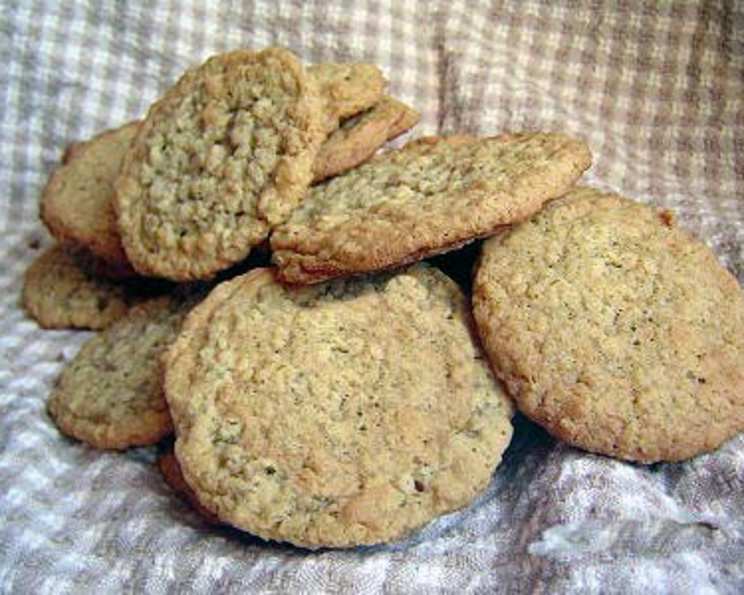
The Very Best Oatmeal Cookies
The first time I tasted an oatmeal cookie that truly resonated, I was at a school bake sale, a nervous third-grader clutching a crumpled five-dollar bill. It wasn’t the prettiest cookie – a little flat, a little rustic – but the aroma of warm spice and toasted oats drew me in like a moth to a flame. One bite, and I was transported. The edges were perfectly crisp, the center a symphony of chewy sweetness, and the comforting flavor lingered long after the last crumb was gone. It tasted like home, like a warm hug on a chilly day, and sparked a lifelong love affair with this humble yet extraordinary treat.
Recipe Overview
- Prep Time: 15 minutes
- Cook Time: 8-10 minutes
- Total Time: 23-25 minutes
- Yields: About 3 dozen cookies
- Dietary Type: Vegetarian
Ingredients
- 1 cup shortening
- ½ cup brown sugar, firmly packed
- 1 cup granulated sugar
- 2 large eggs, beaten
- 1 teaspoon vanilla extract
- 1 ½ cups all-purpose flour
- 1 teaspoon salt
- 1 teaspoon baking soda
- 3 cups quick-cooking rolled oats
- ½ cup chopped nuts (optional)
- ½ cup semi-sweet chocolate chips (optional)
- ½ cup raisins (optional)
Equipment Needed
- Large mixing bowl
- Electric mixer (handheld or stand mixer)
- Measuring cups and spoons
- Cookie sheets
- Parchment paper or silicone baking mats (optional)
- Cookie scoop or tablespoon
- Cooling rack
Instructions
-
Preheat your oven to 350°F (175°C). This is crucial for even baking and achieving that perfect chewy-crisp balance.
-
In a large mixing bowl, cream together the shortening and both the brown sugar and granulated sugar until light and fluffy. This step is best done with an electric mixer, but you can use a sturdy spoon if you’re feeling ambitious. The goal is to incorporate air, which contributes to the cookie’s texture.
-
Add the beaten eggs and vanilla extract to the creamed mixture. Beat well until everything is thoroughly combined. Make sure the eggs are fully incorporated to prevent a grainy texture.
-
In a separate bowl, sift together the flour, salt, and baking soda. Sifting ensures there are no lumps and helps distribute the leavening agent evenly. If you don’t have a sifter, whisking these ingredients together works too.
-
Gradually add the dry ingredients to the wet ingredients, mixing until just combined. Be careful not to overmix at this stage, as it can lead to tough cookies.
-
Stir in the quick-cooking rolled oats slowly, mixing until they are evenly distributed throughout the dough. The dough will be fairly stiff at this point, which is exactly what you want.
-
If desired, mix in the optional ingredients: chopped nuts, semi-sweet chocolate chips, and/or raisins. Feel free to get creative with your additions! Consider using dried cranberries, chopped dates, or even butterscotch chips.
-
Drop the dough by heaping tablespoons (or use a 4-teaspoon cookie scoop) onto lightly greased cookie sheets. I like to use parchment paper or silicone baking mats for easy cleanup and to prevent sticking.
-
Slightly press down the cookie dough mounds before baking. This helps them spread evenly and ensures a more uniform shape.
-
Bake for 8-10 minutes, or until the edges are golden brown and the centers are set. Keep a close eye on them, as baking times can vary depending on your oven.
-
Remove the cookie sheets from the oven and let the cookies cool on the sheets for a few minutes before transferring them to a cooling rack to cool completely. This prevents them from breaking while they are still soft.
Expert Tips & Tricks
- For extra chewy cookies: Slightly underbake them. They will continue to set up as they cool.
- For crispy edges: Use melted butter instead of shortening.
- To enhance the flavor: Toast the oats in a dry skillet over medium heat for a few minutes before adding them to the dough. Watch carefully to prevent burning.
- Make-ahead tip: The dough can be made ahead of time and stored in the refrigerator for up to 3 days. Let it come to room temperature slightly before scooping and baking.
- Preventing flat cookies: Make sure your shortening isn’t too soft. Also, avoid overmixing the dough.
- Ingredient swap: Substitute the vanilla extract with other extracts like almond or maple to change the flavor profile.
Serving & Storage Suggestions
Serve these delightful oatmeal cookies with a glass of cold milk, a warm cup of coffee, or alongside a scoop of vanilla ice cream. They are perfect for an afternoon snack, a dessert, or even a quick breakfast on the go.
Store the cooled cookies in an airtight container at room temperature for up to 5 days. For longer storage, you can freeze them for up to 2 months. To freeze, place the cookies in a single layer on a baking sheet and freeze until solid. Then, transfer them to a freezer-safe bag or container.
To reheat frozen cookies, simply let them thaw at room temperature for a few minutes, or warm them in a preheated oven at 350°F (175°C) for a few minutes until heated through.
Nutritional Information
Here’s an approximate nutritional breakdown per cookie. Please note that this will vary depending on the specific ingredients used and any added extras.
| Nutrient | Amount per Serving | % Daily Value |
|---|---|---|
| Calories | 132 kcal | 7% |
| Total Fat | 6.5g | 8% |
| Saturated Fat | 1.6g | 8% |
| Cholesterol | 10mg | 3% |
| Sodium | 105mg | 5% |
| Total Carbohydrate | 17g | 6% |
| Dietary Fiber | 0.8g | 3% |
| Sugars | 9g | 18% |
| Protein | 2g | 4% |
Variations & Substitutions
- Gluten-Free: Substitute the all-purpose flour with a gluten-free flour blend. Make sure the blend contains xanthan gum or another binding agent.
- Vegan: Replace the shortening with vegan butter or coconut oil. Use flax eggs (1 tablespoon flaxseed meal mixed with 3 tablespoons water per egg) as an egg replacement.
- Spiced Oatmeal Cookies: Add 1 teaspoon of ground cinnamon, ½ teaspoon of ground nutmeg, and ¼ teaspoon of ground cloves to the dry ingredients for a warm, spiced flavor.
- Peanut Butter Oatmeal Cookies: Add ½ cup of peanut butter to the creamed mixture for a nutty twist. Reduce the shortening by the same amount.
- Tropical Oatmeal Cookies: Use macadamia nuts and dried pineapple instead of the optional nuts and raisins.
FAQs (Frequently Asked Questions)
Q: Can I use regular rolled oats instead of quick-cooking oats?
A: While you can, the texture will be different. Quick-cooking oats are finer and create a chewier cookie. If using regular rolled oats, consider pulsing them in a food processor a few times to break them down slightly.
Q: My cookies are spreading too thin. What am I doing wrong?
A: This is often caused by too much fat or not enough flour. Make sure you’re measuring the ingredients accurately, especially the shortening and flour. Also, chilling the dough for 30 minutes before baking can help.
Q: Can I freeze the baked cookies?
A: Absolutely! Baked oatmeal cookies freeze very well. Cool them completely, then store them in an airtight container or freezer bag for up to 2 months.
Q: Are these cookies healthy?
A: Oatmeal cookies contain fiber from the oats, but they also contain sugar and fat. It’s best enjoyed as a treat in moderation.
Q: What can I use instead of shortening?
A: Butter or vegan butter are good substitutes, but they may result in a slightly different texture. Coconut oil can also be used, but it may impart a slight coconut flavor.
Final Thoughts
So, there you have it – the very best oatmeal cookie recipe, ready for you to bake and enjoy. These cookies are more than just a sweet treat; they’re a little piece of comfort, a moment of joy in every bite. Don’t be afraid to experiment with different variations and make them your own. I encourage you to bake a batch, share them with loved ones, and let the warmth of these cookies fill your home with happiness. I’d love to hear about your baking adventures, so feel free to share your feedback and experiences! Happy baking!