
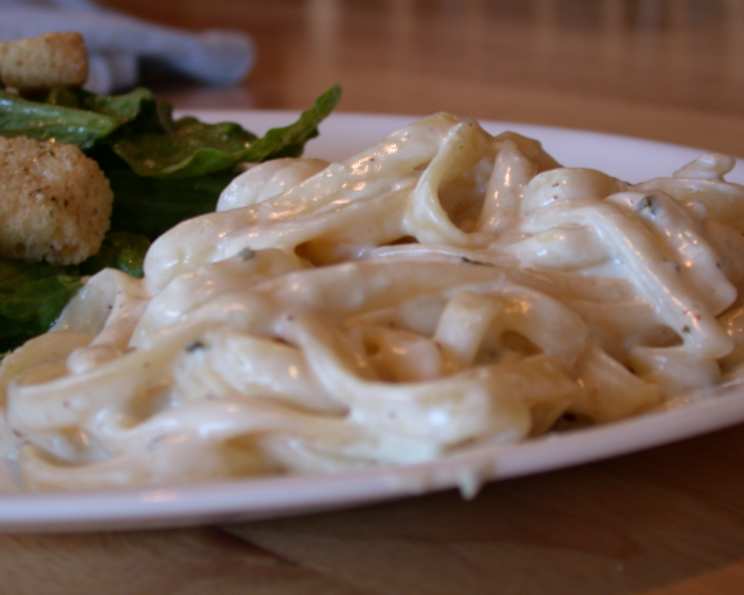
Luscious Thick and Creamy White Sauce: A Culinary Embrace
There’s something deeply comforting about a velvety white sauce, isn’t there? I remember being a young apprentice chef, slightly intimidated by the precision of French cuisine. My mentor, a gruff but kind old Parisian, taught me the art of the béchamel, the mother of all white sauces. He emphasized the importance of patience and a gentle hand, transforming simple ingredients into a symphony of creamy richness. It was more than just a sauce; it was an act of culinary love, a way to elevate the simplest pasta dish or vegetable gratin to something truly special. This recipe takes that classic foundation and elevates it to a new level of decadence, adding the perfect touch of richness and cheesy goodness.
Recipe Overview
- Prep Time: 5 minutes
- Cook Time: 15 minutes
- Total Time: 20 minutes
- Servings: 6
- Yield: About 3 cups
- Dietary Type: Vegetarian
Ingredients
- 2 cups heavy cream
- 4 ounces (1 stick) butter
- 4 ounces cream cheese
- 1 cup parmesan cheese, grated
- ¾ teaspoon fresh basil, chopped, or ½ teaspoon dried basil
- ½ teaspoon nutmeg
- Salt to taste
- Pepper to taste
Equipment Needed
- Saucepan
- Whisk or Wooden Spoon
- Measuring cups and spoons
Instructions
-
Begin by placing your saucepan on the stovetop over medium heat. Add the butter to the pan and allow it to melt completely. Ensure the butter doesn’t brown or burn, as this will affect the flavor of the final sauce.
-
Once the butter is melted, gently pour in the heavy cream. Stir to combine the melted butter and heavy cream.
-
Reduce the heat to low-medium. Now, take the cream cheese and cut it into smaller chunks. This will help it melt more evenly and quickly. Add the cream cheese chunks to the saucepan with the cream and butter mixture.
-
Continue to stir the mixture gently but consistently. The goal is to melt the cream cheese completely, ensuring it incorporates smoothly into the sauce.
-
Once the cream cheese is fully melted and the mixture is smooth, it’s time to add the parmesan cheese. Stir in the parmesan cheese until it is fully melted and incorporated into the sauce. Be sure to keep stirring to prevent any cheese from sticking to the bottom of the pan.
-
Now it’s time to add the spices! Stir in the fresh basil (or dried basil), nutmeg, salt, and pepper. Adjust the amounts of salt and pepper to your taste.
-
Continue to stir the sauce on medium-low heat, ensuring that it does not boil. Boiling the sauce can cause it to separate or become grainy. The sauce should thicken as it simmers. The consistency should be thick enough to coat the back of a spoon.
-
Once the sauce has reached your desired thickness and is smooth and creamy, remove it from the heat.
-
Immediately toss the sauce with your favorite noodles, vegetables, or other dishes. Serve immediately and enjoy!
Expert Tips & Tricks
- Don’t Rush the Melting Process: Allow the cream cheese and parmesan cheese to melt slowly and evenly over low heat. This prevents scorching and ensures a smooth, creamy texture.
- Fresh vs. Dried Herbs: Fresh basil provides a brighter, more vibrant flavor. If using dried basil, remember that dried herbs are more concentrated, so start with a smaller amount and adjust to taste.
- Adjusting Thickness: If the sauce is too thick, add a splash of milk or cream to thin it out. If it’s too thin, continue to simmer over low heat, stirring constantly, until it reaches the desired consistency.
- Make-Ahead Option: You can prepare the sauce ahead of time. Store it in the refrigerator and gently reheat it on the stovetop over low heat, stirring frequently, until smooth and creamy. You may need to add a splash of milk or cream to loosen it up when reheating.
- Cheese Variety: Experiment with different types of hard, grating cheeses like Pecorino Romano or Asiago to change the flavor profile of the sauce.
- Troubleshooting a Grainy Sauce: If the sauce becomes grainy, try whisking in a tablespoon of lemon juice or a pinch of cream of tartar. This can help to smooth out the texture.
Serving & Storage Suggestions
This thick and creamy white sauce is incredibly versatile. It’s perfect tossed with your favorite pasta, such as fettuccine, penne, or bowtie. It also makes a delicious topping for roasted vegetables like broccoli, cauliflower, or asparagus. Consider using it as the base for a creamy pizza or au gratin potatoes.
To store leftovers, allow the sauce to cool completely before transferring it to an airtight container. Store it in the refrigerator for up to 3 days. When reheating, do so gently over low heat, stirring frequently. You may need to add a splash of milk or cream to restore its creamy consistency. Freezing is not recommended as the sauce may separate upon thawing.
Nutritional Information
(Estimated values per serving)
| Nutrient | Amount per Serving | % Daily Value |
|---|---|---|
| Calories | 548 kcal | N/A |
| Total Fat | 56.1g | 86% |
| Saturated Fat | 35.1g | 175% |
| Cholesterol | 184.8mg | 61% |
| Sodium | 449.8mg | 18% |
| Total Carbohydrate | 3.5g | 1% |
| Dietary Fiber | 0g | 0% |
| Sugars | 0.3g | 1% |
| Protein | 9.6g | 19% |
Note: Nutritional information is an estimate and may vary based on specific ingredients and portion sizes.
Variations & Substitutions
- Garlic White Sauce: Add 2-3 cloves of minced garlic to the butter as it melts for a flavorful twist.
- Spicy White Sauce: Add a pinch of red pepper flakes or a dash of hot sauce for a kick of heat.
- Mushroom White Sauce: Sauté sliced mushrooms in the butter before adding the cream for an earthy flavor.
- Dairy-Free Option: While this recipe relies on dairy for its richness, you can try using a plant-based heavy cream alternative and nutritional yeast in place of parmesan for a vegan version, but the texture and flavor will differ significantly. Use vegan butter and cream cheese alternatives as well.
- Herb Variations: Experiment with different herbs like thyme, rosemary, or chives for unique flavor combinations.
- Lemon White Sauce: Add the zest and juice of half a lemon for a bright, citrusy flavor.
FAQs (Frequently Asked Questions)
Q: Can I use milk instead of heavy cream?
A: While you can use milk, the sauce will not be as thick and creamy. If using milk, consider adding a cornstarch slurry (1 tablespoon cornstarch mixed with 2 tablespoons cold water) to help thicken the sauce.
Q: How do I prevent the sauce from sticking to the bottom of the pan?
A: Stir the sauce frequently, especially as it thickens. Use a good quality saucepan with a heavy bottom to distribute heat evenly.
Q: Can I add other types of cheese to the sauce?
A: Yes, you can experiment with other hard, grating cheeses like Pecorino Romano or Asiago. You can also add a small amount of soft cheese like Gorgonzola for a more intense flavor.
Q: What do I do if the sauce is too salty?
A: If the sauce is too salty, add a small amount of sugar or lemon juice to help balance the flavors. You can also add a bit more cream to dilute the saltiness.
Q: How can I tell when the sauce is thick enough?
A: The sauce is thick enough when it coats the back of a spoon. Dip a spoon into the sauce and run your finger across the back. If the sauce doesn’t run back together and leaves a clear line, it’s ready.
Final Thoughts
Now that you’ve mastered the art of the thick and creamy white sauce, I encourage you to experiment and make it your own. Don’t be afraid to try different variations and flavor combinations. This sauce is a culinary blank canvas, waiting for your creative touch. Serve it with your favorite pasta, vegetables, or protein, and share the joy of homemade comfort food with your loved ones. And if you have any questions or feedback, please don’t hesitate to share – happy cooking!