
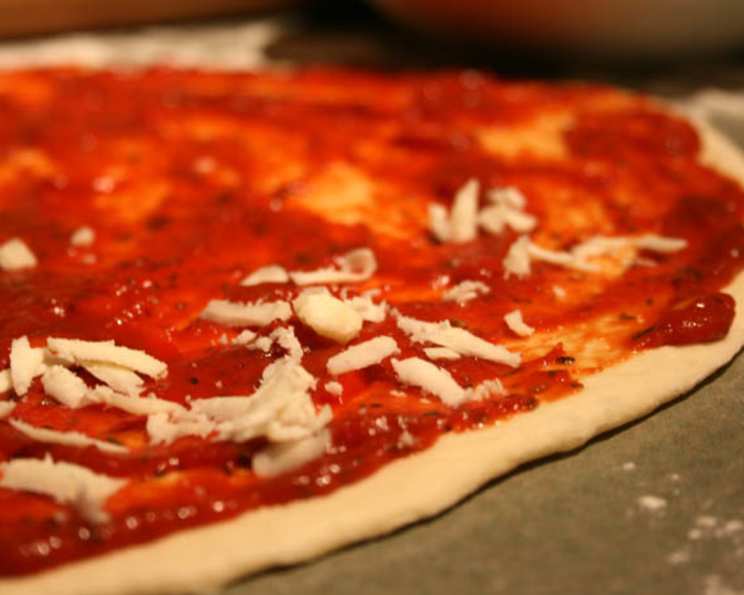
The Irresistible Allure of Thin-Crust Pizza: A Culinary Journey
The aroma of baking pizza dough is practically a time machine for me. It instantly transports me back to my grandmother’s sun-drenched kitchen in Italy. I remember standing on a stool, mesmerized as she deftly stretched the dough with her well-worn hands. The air was thick with the scent of tomatoes, oregano, and bubbling cheese. That simple, thin-crust pizza, born of love and tradition, was more than just a meal; it was a connection to my heritage, a taste of pure joy that has stayed with me through the years.
Recipe Overview
- Prep Time: 30 minutes
- Cook Time: 8-12 minutes
- Total Time: 38-42 minutes
- Servings: 4
- Yield: 1 large pizza
- Dietary Type: Vegetarian (can be easily adapted to vegan or gluten-free)
Ingredients
- 1 1⁄4 ounces active dry yeast (Fleischman’s Traditional Dry Yeast recommended)
- 1⁄4 teaspoon granulated sugar
- 1⁄3 cup warm water
- 1⁄3 cup boiling water (infuse with herbs for added flavor – optional)
- 1 3⁄4 cups all-purpose flour
- 1⁄2 teaspoon salt
- Pizza sauce, of your choice, as needed
- Shredded cheese, of your choice, as needed
- Olive oil, for brushing
- Toppings of your choice: marinated artichokes, red and green peppers, chili peppers, mushrooms, sun-dried tomatoes, FRESH BASIL, ham, pineapple, Italian sausage, parmesan, feta, crumbled goat cheese, whole spinach leaves, crumbled dried red peppers (optional)
Equipment Needed
- Large mixing bowl
- Measuring cups and spoons
- Pizza pan (12-inch) or baking sheet
- Clean, floured surface for kneading
- Heavy spoon or dough whisk
Instructions
-
Begin by activating the yeast. In a small bowl, combine the active dry yeast and granulated sugar with the warm water. Let this mixture rest for about 8 minutes, allowing the yeast to bloom. You’ll know it’s ready when it becomes foamy.
-
While the yeast activates, prepare the dry ingredients. In a separate, large mixing bowl, whisk together the all-purpose flour and salt. This ensures even distribution of the salt throughout the dough.
-
Combine the wet and dry ingredients. Pour the activated yeast mixture and the boiling water over the flour mixture. Mix everything together thoroughly using a heavy spoon or dough whisk until a shaggy dough forms.
-
Knead the dough. Turn the dough out onto a lightly floured surface. Knead it for about 2 minutes, until it becomes smooth and elastic. Don’t over-knead, as this can result in a tough crust.
-
Shape the dough. Working from the edges towards the center, use your fingers to gently press the dough into a 12-inch circle. Aim for even thickness throughout.
-
Transfer to the pan. Lightly grease your pizza pan with olive oil. Carefully place the shaped dough onto the prepared pan. Stretch the dough to the edges of the pan, ensuring it covers the entire surface.
-
Prepare the base. Brush the pizza dough with a thin layer of olive oil. This will help the crust crisp up beautifully in the oven and add a subtle richness.
-
Add sauce and cheese. Spread your pizza sauce evenly over the dough, leaving a small border for the crust. Top with your desired shredded cheese, such as mozzarella, a blend of romano, parmesan, and mozzarella, or any other cheese you prefer.
-
Add toppings. Now comes the fun part! Arrange your favorite toppings over the cheese. Consider a combination of marinated artichokes, red and green peppers, chili peppers, mushrooms, sun-dried tomatoes, and fresh basil.
-
For a gourmet touch, consider adding parmesan, feta, and crumbled goat cheese, along with whole leaves of spinach and a sprinkling of crumbled dried red peppers.
-
Bake the pizza. Preheat your oven to a scorching 500 degrees Fahrenheit (260 degrees Celsius). Bake the pizza for 8-12 minutes, or until the edges are golden brown and the cheese is melted and bubbly. Keep a close eye on it, as oven temperatures can vary.
-
Cool slightly and serve. Remove the pizza from the oven and let it cool for a few minutes before slicing and serving.
-
This pizza can be frozen before baking for later enjoyment.
Expert Tips & Tricks
- Yeast is Key: Make sure your yeast is fresh and active. If it doesn’t foam after 8 minutes, it’s likely expired and you’ll need to start with a fresh batch.
- Dough Hydration: The combination of warm and boiling water helps to hydrate the flour properly, resulting in a tender yet crispy crust. Adjust the amount of water slightly depending on the humidity in your area.
- Crispier Crust: For an even crispier crust, preheat your pizza pan in the oven for a few minutes before placing the dough on it. You can also bake the pizza on a pizza stone.
- Cheese Placement: Place a layer of cheese directly on the sauce before adding your toppings. This helps to prevent the sauce from making the crust soggy.
- Don’t Overload: Resist the temptation to pile on too many toppings. Too many toppings can weigh down the crust and prevent it from cooking evenly.
- Herb Infusion: Try infusing the boiling water with herbs like rosemary or thyme for a subtle, aromatic flavor in the crust.
Serving & Storage Suggestions
Serve your freshly baked thin-crust pizza immediately for the best flavor and texture. Garnish with fresh basil leaves or a drizzle of olive oil for a visually appealing presentation.
Leftover pizza can be stored in an airtight container in the refrigerator for up to 3 days. To reheat, bake in a preheated oven at 350 degrees Fahrenheit (175 degrees Celsius) for 5-10 minutes, or until heated through. You can also reheat individual slices in a skillet over medium heat for a crispy crust. Avoid microwaving, as this can make the crust soggy.
Frozen, unbaked pizza should be wrapped well in plastic wrap and then aluminum foil to prevent freezer burn. It can be stored in the freezer for up to 2 months. To bake, thaw the pizza in the refrigerator overnight and then bake as directed.
Nutritional Information
| Nutrient | Amount per Serving | % Daily Value |
|---|---|---|
| Calories | 300 kcal | 15% |
| Total Fat | 12g | 18% |
| Saturated Fat | 5g | 25% |
| Cholesterol | 20mg | 7% |
| Sodium | 500mg | 22% |
| Total Carbohydrate | 35g | 12% |
| Dietary Fiber | 3g | 12% |
| Sugars | 5g | – |
| Protein | 15g | 30% |
Note: Nutritional information is an estimate and may vary based on specific ingredients and portion sizes.
Variations & Substitutions
- Gluten-Free Crust: Use a gluten-free flour blend to make the crust gluten-free. Be sure to use a gluten-free pizza sauce and toppings as well.
- Vegan Pizza: Substitute the cheese with a plant-based cheese alternative or nutritional yeast. Ensure that your chosen pizza sauce is also vegan-friendly.
- Whole Wheat Crust: Substitute half of the all-purpose flour with whole wheat flour for a more nutritious and flavorful crust.
- Spicy Pizza: Add a pinch of red pepper flakes to the dough or sauce for a spicy kick.
- Mediterranean Pizza: Top with feta cheese, olives, sun-dried tomatoes, and artichoke hearts for a Mediterranean-inspired flavor.
- Seasonal Pizza: Adapt the toppings to the season. In the fall, try adding roasted butternut squash and sage. In the spring, try adding asparagus and peas.
FAQs (Frequently Asked Questions)
Q: Why is Fleischman’s Traditional Dry Yeast recommended?
A: Some bakers find that Fleischman’s Traditional Dry Yeast provides a more consistent rise and better flavor in this particular dough recipe compared to rapid-rise varieties.
Q: Can I use olive oil instead of all-purpose flour for dusting the kneading surface?
A: It’s better to use flour for dusting, as olive oil can make the dough too slippery and difficult to knead properly.
Q: What if my oven doesn’t reach 500 degrees Fahrenheit?
A: Bake the pizza at the highest temperature your oven can reach, but you may need to increase the baking time slightly.
Q: How can I prevent the crust from becoming soggy?
A: Brush the crust with olive oil before adding the sauce, and don’t overload the pizza with too many toppings. You can also pre-bake the crust for a few minutes before adding the toppings.
Q: Can I add fresh herbs to the dough?
A: Absolutely! Kneading in fresh herbs like rosemary, thyme, or oregano adds a wonderful flavor to the crust. Add about a tablespoon of finely chopped herbs to the dough during the kneading process.
Final Thoughts
Now it’s your turn to create your own masterpiece. Don’t be afraid to experiment with different toppings and flavor combinations to find your perfect thin-crust pizza. Whether you’re a seasoned pizza pro or a novice baker, this recipe is sure to deliver a delicious and satisfying result. Share your creations and variations with friends and family – and don’t forget to savor every bite!