
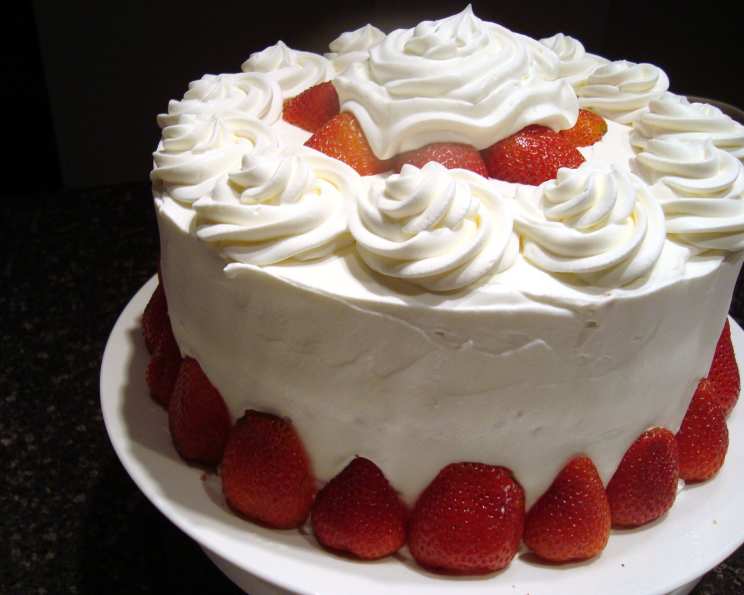
Three Layer White Velvet Cake (With Optional White Frosting)
My grandmother, bless her heart, was the queen of simple elegance in the kitchen. She wasn’t one for fancy techniques or exotic ingredients. Her magic lay in taking familiar recipes and perfecting them with a touch of love and an unwavering commitment to quality. I remember the first time I tasted her White Velvet Cake; it was at my eighth birthday party. The cake itself was ethereally light, almost like biting into a cloud, and the frosting, a shimmering white expanse, was the perfect sweet counterpoint. It tasted like happiness and felt like being wrapped in a warm hug. That cake, more than any other, ignited my passion for baking.
Recipe Overview
- Prep Time: 30 minutes
- Cook Time: 20-25 minutes
- Total Time: 50-55 minutes
- Servings: 12
- Yield: 1 three-layer cake
- Dietary Type: Not suitable for gluten-free, dairy-free, or vegan diets
Ingredients
For the Cake:
- 1 cup (2 sticks) butter, softened
- 2 cups sugar
- 2 egg yolks, beaten (whites reserved for frosting)
- 2 eggs
- ¾ teaspoon baking soda
- 1 teaspoon vanilla extract
- 1 cup buttermilk
- 2 ½ cups sifted flour
For the Optional White Frosting:
- 2 egg whites (left over from the cake)
- 1 ½ cups powdered 10x sugar
- 1 teaspoon vanilla extract
Equipment Needed
- Three 9-inch cake pans
- Mixing bowls
- Electric mixer (stand or hand-held)
- Measuring cups and spoons
- Rubber spatula
- Cooling rack
Instructions
-
Preheat your oven to 350 degrees Fahrenheit (175 degrees Celsius). This is crucial for even baking and preventing a sunken cake.
-
Grease three 9-inch cake pans thoroughly. I highly recommend also flouring the pans after greasing. This step prevents the cake from sticking and ensures a clean release, essential for a beautiful presentation. A light coating of baking spray with flour also works wonders.
-
In a large mixing bowl, cream together the softened butter and sugar until light and fluffy. This usually takes about 3-5 minutes with an electric mixer. The mixture should be noticeably paler and increase in volume as air is incorporated. This step is the foundation for a tender cake crumb.
-
Mix in the beaten egg yolks, then the eggs, one at a time, beating well after each addition. This ensures that each egg is fully incorporated into the batter, contributing to the cake’s structure and richness. Don’t rush this step; proper emulsification is key.
-
In a 2-cup measuring cup or bowl, measure the buttermilk and stir in the baking soda and vanilla. The mixture will fizz slightly – this is normal and indicates that the baking soda is being activated.
-
Blend the buttermilk mixture and the flour alternately into the butter mixture in the large bowl. Begin and end with the flour. Add about one-third of the flour, mix until just combined, then add half of the buttermilk mixture, mix, then another third of the flour, mix, the remaining buttermilk mixture, mix, and finally the remaining flour, mixing until just combined. Be careful not to overmix the batter. Overmixing develops the gluten in the flour, leading to a tough cake.
-
Pour the batter evenly into the prepared cake pans. Use a kitchen scale for ultimate precision, or simply eyeball it, ensuring each pan receives roughly the same amount of batter.
-
Bake for 20-25 minutes, or until a wooden skewer inserted into the center comes out clean. The baking time may vary depending on your oven, so start checking for doneness at 20 minutes. The cakes should be lightly golden on top and spring back slightly when gently pressed.
-
Let cool in the pans for 10 minutes before inverting them onto a cooling rack to cool completely. This prevents the cakes from breaking apart.
-
Optional Frosting: While the cakes are cooling, prepare the frosting. In a clean, grease-free bowl, beat the egg whites with an electric mixer until stiff peaks form. This may take several minutes, so be patient. The bowl and beaters must be completely clean; any traces of fat will prevent the egg whites from whipping properly.
-
Gradually beat in the powdered 10x sugar, one spoonful at a time, until the frosting is smooth and glossy.
-
Stir in the vanilla extract.
-
Once the cakes are completely cool, frost between the layers and on top of the cake.
-
Refrigerate any leftovers to maintain freshness.
Expert Tips & Tricks
- Room Temperature Ingredients: Ensure that your butter, eggs, and buttermilk are all at room temperature before starting the recipe. This helps them emulsify properly, resulting in a smoother batter and a more tender cake.
- Sifting Flour: Sifting the flour is crucial for creating a light and airy cake. It removes any lumps and aerates the flour, making it easier to incorporate into the batter.
- Don’t Overmix: Overmixing the batter develops the gluten in the flour, which can result in a tough cake. Mix until the ingredients are just combined.
- Even Layers: To ensure that your cake layers are even, use a kitchen scale to weigh the batter before pouring it into the pans. Alternatively, you can use a measuring cup to portion out the batter.
- Leveling Layers: If your cake layers are uneven, use a serrated knife to trim the tops before frosting. This will create a more professional-looking cake.
- Frosting Consistency: If your frosting is too thick, add a teaspoon of milk or water at a time until it reaches the desired consistency. If it is too thin, add a tablespoon of powdered sugar at a time.
- Crumb Coat: Before applying the final layer of frosting, apply a thin “crumb coat” to the cake. This will trap any loose crumbs and prevent them from showing through the final layer of frosting. Chill the crumb-coated cake for 30 minutes before applying the final layer of frosting.
Serving & Storage Suggestions
Serve the White Velvet Cake chilled or at room temperature. It pairs perfectly with a scoop of vanilla ice cream, fresh berries, or a drizzle of raspberry sauce.
Store leftover cake in an airtight container in the refrigerator for up to 3 days. You can also freeze the cake for up to 2 months. Wrap individual slices tightly in plastic wrap before freezing. Thaw the cake in the refrigerator overnight before serving. The texture of the frosting may change slightly after freezing.
Nutritional Information
Note: Nutritional information is an estimate and may vary based on specific ingredients and portion sizes.
| Nutrient | Amount per Serving | % Daily Value |
|---|---|---|
| Calories | 451 kcal | N/A |
| Total Fat | 17 g | 26% |
| Saturated Fat | 10 g | 51% |
| Cholesterol | 100 mg | 33% |
| Sodium | 259 mg | 10% |
| Total Carbohydrate | 69 g | 23% |
| Dietary Fiber | 1 g | 2% |
| Sugars | 49 g | N/A |
| Protein | 6 g | 11% |
Variations & Substitutions
- Lemon Velvet Cake: Add the zest of one lemon to the cake batter for a bright and citrusy flavor.
- Almond Extract: Substitute the vanilla extract with almond extract for a subtle almond flavor.
- Chocolate Chips: Fold in ½ cup of white chocolate chips to the batter for added sweetness and texture.
- Berry Compote Filling: Instead of frosting between the layers, use a homemade berry compote for a lighter and fruitier option.
- Whipped Cream Frosting: For a lighter frosting, try a stabilized whipped cream frosting instead of the egg white frosting. Use heavy cream, powdered sugar, and vanilla extract.
FAQs (Frequently Asked Questions)
Q: Can I use margarine instead of butter?
A: While margarine can be used as a substitute, butter provides a richer flavor and superior texture. For the best results, stick with butter.
Q: Can I use cake flour instead of all-purpose flour?
A: Yes, cake flour will result in an even more tender cake. Use the same quantity as the recipe specifies for all-purpose flour.
Q: My cake layers are domed. How can I prevent this?
A: Use baking strips wrapped around the cake pans. These help to insulate the sides of the pans and promote even baking. Also, ensure your oven temperature is accurate.
Q: Is it safe to use uncooked egg whites in the frosting?
A: While this recipe traditionally uses uncooked egg whites, there is a risk of salmonella. Consider using pasteurized egg whites or a meringue-based frosting for a safer option.
Q: My frosting is grainy. What did I do wrong?
A: The powdered sugar may not have been fully dissolved. Ensure you beat the frosting well and gradually add the powdered sugar.
Final Thoughts
This Three Layer White Velvet Cake is more than just a recipe; it’s a connection to the past, a celebration of simple pleasures, and a testament to the enduring power of good food. Don’t be intimidated by the multiple steps; each one contributes to the cake’s exquisite texture and flavor. Gather your ingredients, preheat your oven, and let the aroma of vanilla and butter fill your kitchen. Whether you follow the recipe exactly or add your own creative twist, I encourage you to share this cake with those you love. It’s a perfect centerpiece for any celebration, a sweet ending to a memorable meal, or simply a delicious way to brighten a day. And, if you’re feeling adventurous, pair it with a glass of chilled Moscato d’Asti for an unforgettable experience. Happy baking!