
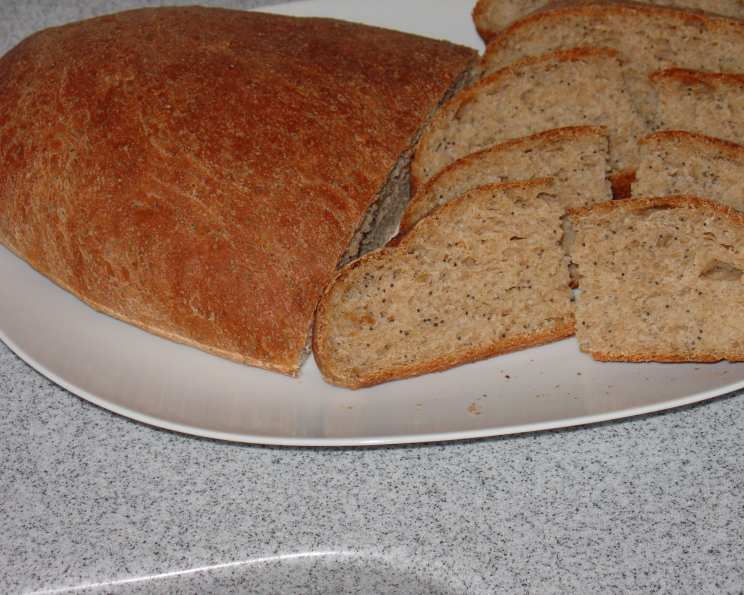
Three Seed Bread: From Bread Machine to Oven Perfection
The aroma of freshly baked bread has always been a source of comfort and nostalgia for me. I remember as a child, my grandmother would always bake a loaf of whole wheat bread every Sunday. The smell would fill the entire house, and it was the perfect accompaniment to a simple, hearty meal. One Sunday, she experimented with adding seeds, and the resulting loaf was a revelation – nutty, flavorful, and texturally delightful. This three-seed bread recipe reminds me of those cherished moments, bringing a taste of tradition and wholesome goodness to my own kitchen.
Recipe Overview
- Prep Time: 20 minutes
- Cook Time: 30-40 minutes
- Total Time: 3 hours 30 minutes (including dough cycle and proofing)
- Yields: 1 loaf
- Serves: 16
- Dietary Type: Vegetarian
Ingredients
- 1 1/4 cups skim milk
- 2 tablespoons honey
- 2 tablespoons canola oil
- 2 cups unbleached white flour
- 1 cup whole wheat flour
- 1 1/2 teaspoons salt
- 1/3 cup milled flax seed
- 2 tablespoons sunflower seeds
- 1 tablespoon poppy seed
- 2 teaspoons active dry yeast
Equipment Needed
- Bread machine
- Lightly oiled baking sheet
- Oven
- Wire rack
Instructions
-
Add the ingredients to your bread machine in the order recommended by the bread machine manufacturer. This is crucial for proper dough development. Typically, liquids go in first, followed by dry ingredients, with the yeast added last, away from the salt.
-
Select the basic dough cycle on your bread machine. This cycle will handle the kneading and first rise for you. The time for this cycle typically lasts around 90 minutes, but it can vary depending on your machine.
-
Once the dough cycle is complete, carefully remove the dough from the bread machine and dump it out onto a lightly oiled baking sheet. This prevents sticking and makes shaping easier.
-
Gently roll the dough into a loaf shape. Aim for a consistent thickness to ensure even baking. You can make one large loaf or divide the dough into smaller rolls if desired.
-
Spray the top of the loaf lightly with oil. This helps prevent the crust from drying out during proofing and gives it a nice sheen.
-
Proof the loaf in a warm oven for about an hour, or until it has doubled in size. To create a warm environment, you can preheat the oven to the lowest setting for a few minutes, then turn it off. Place the baking sheet with the loaf inside. Ensure the oven is not too hot; a slightly warm environment is ideal.
-
Bake at 350 degrees Fahrenheit for about 30-40 minutes, or until the loaf is nicely browned. To check for doneness, insert a toothpick into the center of the loaf. If it comes out clean, the bread is done. You can also tap the bottom of the loaf; it should sound hollow.
-
Let the bread cool completely on a wire rack before slicing. This is essential to prevent the bread from becoming gummy. Cooling allows the internal structure to set properly. Resist the urge to cut into it while it’s still hot!
Expert Tips & Tricks
- For a richer flavor, try using brown sugar instead of honey. Brown sugar adds a molasses-like sweetness that complements the seeds beautifully.
- If you want a softer crust, brush the top of the loaf with melted butter immediately after baking.
- To ensure your flax seeds are as nutritious as possible, always use milled flax seed. Whole flax seeds may pass through the digestive system undigested.
- Don’t be afraid to experiment with different types of seeds. Pumpkin seeds (pepitas) or sesame seeds would be delicious additions.
- If you live in a humid climate, you may need to use slightly less liquid. Start with a little less milk and add more only if the dough seems too dry.
- If the top of the bread is browning too quickly, tent it with aluminum foil during the last 10-15 minutes of baking.
Serving & Storage Suggestions
This three-seed bread is delicious served warm with butter, jam, or cream cheese. It’s also excellent for making sandwiches, toast, or croutons. Its hearty texture and nutty flavor make it a versatile addition to any meal.
To store, let the bread cool completely, then wrap it tightly in plastic wrap or place it in an airtight container. It will keep at room temperature for 2-3 days. For longer storage, you can freeze the bread for up to 3 months. To thaw, simply let it sit at room temperature for a few hours or warm it in a low oven. You can also slice the bread before freezing so you can easily take out slices as needed.
Nutritional Information
| Nutrient | Amount per Serving | % Daily Value |
|---|---|---|
| Calories | 143.1 kcal | N/A |
| Calories from Fat | 39 g | N/A |
| Total Fat | 4.4 g | 6% |
| Saturated Fat | 0.4 g | 2% |
| Cholesterol | 0.4 mg | 0% |
| Sodium | 231.6 mg | 9% |
| Total Carbohydrate | 22.1 g | 7% |
| Dietary Fiber | 2.6 g | 10% |
| Sugars | 2.4 g | N/A |
| Protein | 4.6 g | 9% |
Note: Nutritional information is an estimate and may vary depending on specific ingredients and portion sizes.
Variations & Substitutions
- Gluten-Free: Substitute the unbleached white flour and whole wheat flour with a gluten-free bread flour blend. You may also need to add a binder like xanthan gum to help with the structure of the bread.
- Vegan: Replace the skim milk with almond milk, soy milk, or oat milk. Ensure your honey is replaced with maple syrup or agave nectar.
- Spiced Bread: Add 1 teaspoon of cinnamon and 1/2 teaspoon of nutmeg to the dough for a warm, spiced flavor.
- Herbed Bread: Incorporate 1 tablespoon of dried rosemary or thyme into the dough for a savory twist.
- Sweet Bread: Add 1/4 cup of dried cranberries or raisins to the dough for a touch of sweetness and chewiness.
FAQs (Frequently Asked Questions)
Q: Can I make this bread without a bread machine?
A: Yes, you can! Combine the ingredients in a bowl, knead for 8-10 minutes until smooth, let rise in a warm place for 1-2 hours, then shape and bake as directed.
Q: Why is my bread dense and heavy?
A: This could be due to several factors: using old yeast, not kneading enough (if making by hand), or not allowing the dough to rise sufficiently.
Q: Can I use different types of seeds?
A: Absolutely! Feel free to experiment with your favorite seeds, such as chia seeds, sesame seeds, or pumpkin seeds.
Q: How do I keep the seeds from burning during baking?
A: Lightly brush the top of the loaf with oil or egg wash before adding the seeds to help them adhere and prevent burning. You can also tent the bread with foil during the last part of baking.
Q: My bread is browning too quickly. What should I do?
A: Tent the loaf loosely with aluminum foil during the last 10-15 minutes of baking to prevent excessive browning.
Final Thoughts
This three-seed bread recipe is more than just a set of instructions; it’s an invitation to create something truly special. The blend of textures and flavors, from the hearty whole wheat to the nutty seeds, makes this loaf a delightful experience. I encourage you to try this recipe, experiment with different seeds, and adjust the flavors to your liking. Share your creations with friends and family, and enjoy the simple pleasure of homemade bread. Perhaps pair a slice with a warm bowl of soup on a chilly evening, or use it to craft a delectable sandwich for lunch. Whatever you choose, I hope this recipe brings as much joy to your kitchen as it has to mine. Happy baking!