
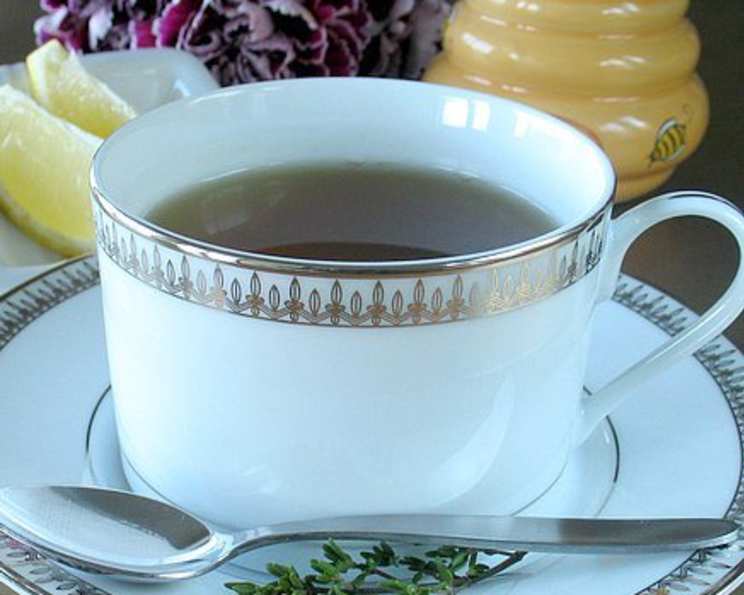
Thyme for French Healing Tea!
There’s something profoundly comforting about a simple cup of herbal tea. I remember visiting my grandmother in the French countryside one crisp autumn. She had a small herb garden just outside her kitchen window, overflowing with fragrant thyme. One afternoon, feeling a bit under the weather, she brewed me a steaming mug of thyme tea. The aroma alone seemed to clear my head, and with each sip, I felt a wave of soothing warmth spread through me. To this day, the scent of thyme instantly transports me back to that cozy kitchen, surrounded by the love and simple remedies of my grandmother.
Recipe Overview
- Prep Time: 2 minutes
- Cook Time: 8 minutes
- Total Time: 10 minutes
- Servings: 1
- Dietary Type: Vegan, Gluten-Free, Dairy-Free
Ingredients
- 1 cup boiling water
- ½ teaspoon dried thyme (or 1 teaspoon fresh thyme)
- Honey (optional, to taste)
- Lemon wedge (optional, for flavor)
Equipment Needed
- Tea cup or mug
- Saucer or small plate (to cover the cup)
- Strainer
Instructions
- Begin by bringing 1 cup of water to a rolling boil. You can use a kettle, a saucepan on the stovetop, or even a microwave.
- Place ½ teaspoon of dried thyme (or 1 teaspoon of fresh thyme) into your tea cup. If using fresh thyme, lightly crush the leaves to release their oils.
- Carefully pour the boiling water over the thyme in the cup.
- Cover the cup with a saucer or small plate. This is crucial, as it traps the volatile oils from the thyme, maximizing the flavor and therapeutic benefits.
- Allow the tea to steep for 10 minutes. Steeping allows the thyme to fully infuse the water, creating a potent and flavorful brew. Don’t rush this process.
- After steeping, use a strainer to remove the thyme leaves from the tea. This ensures a smooth and pleasant drinking experience.
- Serve immediately. If desired, add honey to sweeten and soothe, and/or a lemon wedge to brighten the flavor and provide a boost of Vitamin C.
Expert Tips & Tricks
- Fresh vs. Dried Thyme: Fresh thyme offers a brighter, more vibrant flavor compared to dried thyme. However, dried thyme has a more concentrated flavor and is readily available. If using fresh, remember to use twice the amount specified for dried thyme.
- Steeping Time: The steeping time is critical. Too short, and the tea will be weak and lack flavor. Too long, and it can become slightly bitter. Ten minutes is the sweet spot.
- Water Quality: Use filtered water for the best-tasting tea. Tap water can contain minerals and chlorine that can affect the flavor.
- Honey Selection: Choose a high-quality honey with a flavor profile you enjoy. Raw honey offers additional health benefits. Local honey can be particularly beneficial for allergies.
- Lemon Zest: For an extra burst of citrus flavor, add a small piece of lemon zest to the tea while it steeps. Be sure to use a vegetable peeler to remove only the colored part of the peel, avoiding the bitter white pith.
- Temperature: Serve the tea hot for maximum soothing effect. However, allow it to cool slightly before drinking to avoid burning your mouth.
- Infusion Strength: If you prefer a stronger tea, you can increase the amount of thyme used, but be mindful that it can become overpowering. Start with the recommended amount and adjust to your taste.
- Make Ahead (sort of): You can measure out the thyme in advance and have it ready to go when you need it.
Serving & Storage Suggestions
Serve your Thyme for French Healing Tea immediately after steeping and straining for the best flavor and aroma. The warmth of the tea is inherently comforting, especially when you’re feeling under the weather.
While this tea is best enjoyed fresh, you could technically store leftover tea in the refrigerator for up to 24 hours. However, the flavor will diminish, and it may develop a slightly bitter taste. It’s best to brew a fresh cup each time you desire it. Reheating is possible, but not recommended, as it further degrades the flavor.
Nutritional Information
Note: Nutritional information is an estimate and may vary based on specific ingredients and portion sizes.
| Nutrient | Amount per Serving | % Daily Value |
|---|---|---|
| Calories | ~5 kcal | 0% |
| Total Fat | 0g | 0% |
| Saturated Fat | 0g | 0% |
| Cholesterol | 0mg | 0% |
| Sodium | ~1mg | 0% |
| Total Carbohydrate | ~1g | 0% |
| Dietary Fiber | ~0g | 0% |
| Sugars | ~0g | 0% |
| Protein | ~0g | 0% |
Variations & Substitutions
- Other Herbs: While this recipe focuses on thyme, you can experiment with other herbs like rosemary, sage, or oregano. A small amount of each can create a complex and flavorful blend.
- Ginger: Add a small piece of fresh ginger to the tea while it steeps for an extra boost of warmth and anti-inflammatory properties.
- Lemon & Honey Infusion: Combine lemon slices and honey in a jar and allow them to macerate in the refrigerator for a few days. Add a spoonful of this mixture to your thyme tea for an intense flavor.
- Spice it up!: For something unexpected, add a very small pinch of red pepper flakes to the thyme while it steeps. The touch of heat can be surprisingly soothing for a sore throat.
- Citrus Variety: While lemon is classic, try using orange or grapefruit for a different citrus note.
- Maple Syrup: If you prefer maple syrup over honey, feel free to use it as a sweetener. Start with a small amount and add more to taste.
FAQs (Frequently Asked Questions)
Q: Can I use dried thyme that’s been sitting in my pantry for a long time?
A: While dried herbs don’t “go bad” in the traditional sense, they do lose their potency over time. For the best flavor, use dried thyme that’s been stored for no more than a year.
Q: Can I make a larger batch of this tea at once?
A: Yes, you can easily scale up the recipe by multiplying the ingredients proportionally. Just be sure to use a large enough pot and strain the tea before serving.
Q: Is thyme tea safe for children?
A: Thyme tea is generally considered safe for children in small amounts. However, it’s always best to consult with a pediatrician before giving herbal remedies to young children or infants.
Q: Can I drink this tea every day?
A: Yes, thyme tea can be enjoyed daily as part of a healthy lifestyle. However, moderation is key. If you experience any adverse effects, discontinue use.
Q: I don’t have a strainer. What else can I use?
A: If you don’t have a strainer, you can use a coffee filter or even a clean cheesecloth to remove the thyme leaves from the tea.
Final Thoughts
I wholeheartedly encourage you to try this Thyme for French Healing Tea! It’s more than just a beverage; it’s a comforting ritual, a gentle remedy, and a reminder of simpler times. Whether you’re seeking relief from a scratchy throat or simply craving a moment of peace, this tea is sure to soothe and uplift. Brew a cup, close your eyes, and let the fragrant steam transport you to a sun-drenched herb garden in the French countryside. Bon appétit, and à votre santé!