
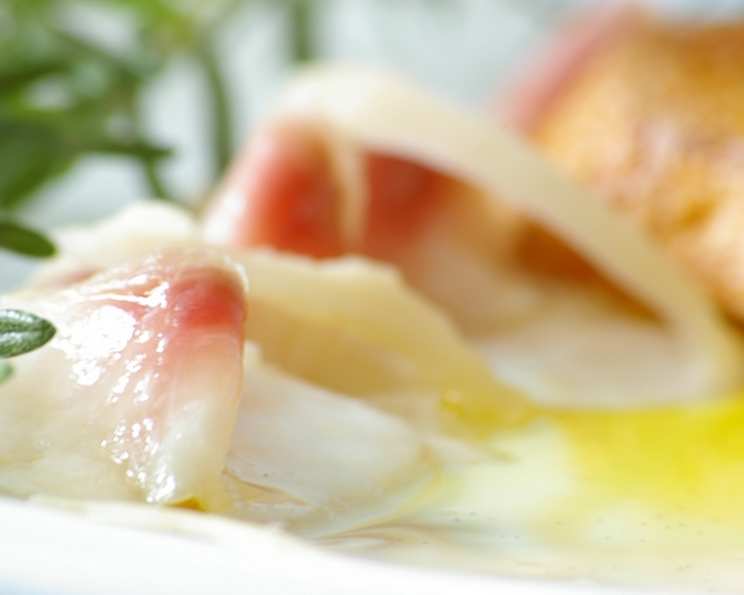
Tilapia Carpaccio: A Delicate Dance of Flavors
The first time I encountered fish carpaccio, it was a revelation. I was a young line cook, intimidated by the simplicity of it all. A seemingly effortless arrangement of thinly sliced raw fish, drizzled with vibrant oil and a whisper of acid. I remember the chef saying, “It’s all about the fish, kid. Respect the fish.” And he was right. This Tilapia Carpaccio is an ode to that lesson – a testament to freshness, balance, and the sheer joy of uncomplicated elegance. It’s a dish that whispers of summer breezes and sun-drenched shores, a culinary journey that starts with impeccably fresh ingredients and ends with a symphony of delicate flavors dancing on your palate.
Recipe Overview
- Prep Time: 25 minutes
- Cook Time: 5 minutes
- Total Time: 30 minutes
- Servings: 1-4
- Yield: 1 platter
- Dietary Type: Dairy-Free (without Parmesan), Gluten-Free
Ingredients
- 1 tilapia fillet (sushi quality)
- ½ lemon, juice of
- 3 tablespoons olive oil
- 1 teaspoon aceto balsamico (white balsamic vinegar, see note)
- 3 slices fresh ginger
- 1 garlic clove, sliced
- 1 sprig fresh rosemary (about 2 inch long)
- ¼ vanilla bean
- Salt and pepper to taste
For serving:
- Parmesan cheese, freshly grated (optional)
- French bread, toasted
Note: White balsamic vinegar offers a more delicate sweetness and avoids discoloring the fish. If unavailable, you can use regular balsamic, but use it sparingly.
Equipment Needed
- Cling film
- Freezer
- Sharp knife
- Small saucepan
- Serving platter
Instructions
- Begin by preparing the tilapia fillet. Gently pat it dry with paper towels to remove any excess moisture. This will help it freeze properly and ensure clean slices.
- Wrap the dried tilapia fillet tightly in cling film, ensuring there are no air pockets. This step is crucial to prevent freezer burn and maintain the fish’s quality.
- Place the wrapped fillet in the freezer for approximately 30 minutes. The partial freezing process is essential for easier and more uniform slicing. Don’t freeze it solid, just enough to firm it up.
- After 30 minutes, remove the tilapia fillet from the freezer and unwrap it.
- Using a very sharp knife, cut the tilapia into extremely thin slices. The thinner the slices, the better the carpaccio. Aim for translucent slices that almost melt in your mouth. The partial freezing will significantly aid in achieving this delicate texture.
- Arrange the tilapia slices on a plate in a single layer. Ensure the slices don’t overlap, allowing each piece to be fully exposed to the marinade.
- Drizzle the freshly squeezed lemon juice evenly over the fish slices. The lemon juice will gently “cook” the fish, changing its texture and adding a bright, citrusy flavor. Set the plate aside.
- Now, prepare the vinaigrette. Heat the olive oil in a small saucepan over medium heat. Be careful not to overheat the oil; you want a gentle infusion of flavors, not burnt aromatics.
- Add the sliced ginger, garlic clove, rosemary sprig, and the vanilla bean (split lengthwise) to the heated olive oil. Cook these aromatics for about 5 minutes, allowing their flavors to gently infuse into the oil. The garlic and ginger should not turn brown.
- Remove the saucepan from the heat and allow the oil to cool slightly. This prevents the balsamic vinegar from becoming bitter when added.
- In the slightly cooled oil, add the aceto balsamico, salt, and pepper to taste. Whisk gently to combine all the ingredients, creating a lukewarm vinaigrette. Adjust the seasoning to your preference.
- Arrange the tilapia fillets attractively on a serving platter. Ensure there’s enough space between each slice for the vinaigrette to coat them evenly.
- Drizzle the prepared vinaigrette generously over the arranged tilapia fillets. Make sure each slice is lightly coated with the flavorful dressing.
- Optionally, top the carpaccio with freshly grated Parmesan cheese. This adds a salty, umami element that complements the fish and vinaigrette.
- Serve immediately with toasted French bread. The toasted bread provides a delightful textural contrast to the delicate fish and can be used to soak up the delicious vinaigrette.
Expert Tips & Tricks
- Sourcing the Fish: The most critical element of this dish is the quality of the tilapia. Ensure you purchase sushi-grade tilapia from a reputable source. If you have any doubts about its freshness, don’t use it.
- Freezing Time: Keep a close eye on the tilapia while it’s in the freezer. The goal is to firm it up for easy slicing, not to freeze it solid. If it does freeze completely, let it thaw slightly before attempting to slice.
- Slicing Technique: Use a very sharp knife, preferably a sashimi knife, and make long, smooth strokes to achieve the thinnest possible slices. If you’re not comfortable using a knife, you can use a mandoline slicer, but be extremely careful.
- Vanilla Bean: Don’t discard the vanilla bean after infusing the oil! Rinse it, let it dry, and store it in a jar of sugar to create vanilla-infused sugar for baking.
- Flavor Infusion: For a deeper flavor, prepare the vinaigrette a few hours in advance and let it sit at room temperature. This allows the flavors of the ginger, garlic, rosemary, and vanilla to meld together.
Serving & Storage Suggestions
Tilapia Carpaccio is best served immediately after preparation. The lemon juice and vinaigrette will continue to “cook” the fish over time, altering its texture. If you must prepare it in advance, do so no more than 30 minutes before serving and keep it refrigerated.
Leftovers are not recommended due to the nature of raw fish. Consume immediately to ensure optimal freshness and safety. If you absolutely must store it, keep it in an airtight container in the refrigerator for no more than 24 hours, but consume at your own risk.
Nutritional Information
| Nutrient | Amount per Serving | % Daily Value |
|---|---|---|
| Calories | 493 kcal | N/A |
| Total Fat | 42.8g | 65% |
| Saturated Fat | 6.3g | 31% |
| Cholesterol | 62.5mg | 20% |
| Sodium | 67.4mg | 2% |
| Total Carbohydrate | 3.8g | 1% |
| Dietary Fiber | 0.3g | 1% |
| Sugars | 0.8g | N/A |
| Protein | 25.5g | 50% |
Note: Nutritional information is an estimate and may vary based on specific ingredients and portion sizes.
Variations & Substitutions
- Other Fish: While this recipe calls for tilapia, you can use other sushi-grade fish such as tuna, salmon, or sea bass. Each fish will impart a unique flavor profile to the carpaccio.
- Citrus Variations: Experiment with different citrus juices like lime, orange, or grapefruit for a twist on the traditional lemon.
- Herb Variations: Substitute rosemary with other fresh herbs like thyme, oregano, or basil.
- Spicy Kick: Add a pinch of red pepper flakes to the vinaigrette for a subtle heat.
- Vegan Option: While traditionally made with fish, consider using thinly sliced hearts of palm marinated in a similar vinaigrette for a vegan alternative.
FAQs (Frequently Asked Questions)
Q: Can I use frozen tilapia for this recipe?
A: Yes, but make sure it’s sushi-grade and has been properly thawed in the refrigerator. Never thaw fish at room temperature.
Q: How do I know if my tilapia is sushi-grade?
A: Ask your fishmonger! They can advise you on the freshness and quality of their fish and whether it’s suitable for raw consumption.
Q: Can I make this recipe ahead of time?
A: It’s best served immediately, but you can prepare the vinaigrette in advance. Assemble the carpaccio just before serving to maintain optimal texture and flavor.
Q: What wine pairs well with tilapia carpaccio?
A: A crisp, dry white wine like Pinot Grigio, Sauvignon Blanc, or Albariño complements the delicate flavors of the fish and vinaigrette.
Q: I don’t have white balsamic vinegar. Can I use regular balsamic?
A: Yes, but use it sparingly as it’s more intense and can discolor the fish. A small splash will add a touch of sweetness and complexity.
Final Thoughts
This Tilapia Carpaccio is more than just a recipe; it’s an invitation to explore the beauty of simple, fresh ingredients. Don’t be intimidated by the idea of working with raw fish. When you start with quality and follow these steps, you’ll be rewarded with a dish that’s both elegant and surprisingly easy to create. I encourage you to try it, to experiment with different flavors, and to make it your own. Share your creations and feedback, and let’s celebrate the art of mindful cooking together. And perhaps, pair it with that chilled Pinot Grigio I mentioned earlier – you won’t regret it!