
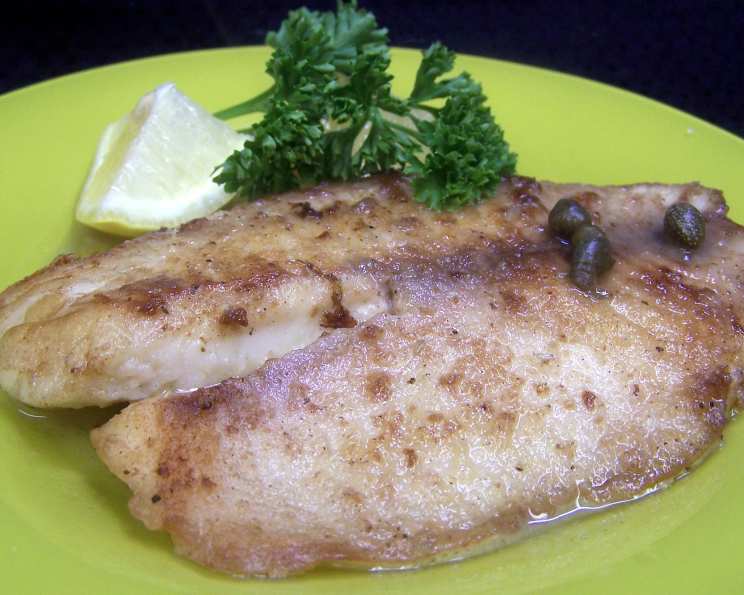
Tilapia with Lemon Peppercorn Sauce: A Symphony of Flavors
The first time I tasted tilapia with a lemon peppercorn sauce, it was a revelation. I was at a small bistro overlooking the harbor in a sleepy coastal town. The sea air, the gentle clinking of sailboat rigging, and then that first bite – the delicate, flaky fish, the bright citrus notes, the subtle heat of the peppercorns. It was a simple dish, but the combination of flavors was so sophisticated and utterly unforgettable. It instantly elevated tilapia, a fish sometimes dismissed as bland, to something truly special. I’ve been chasing that flavor memory ever since, and this recipe comes incredibly close to capturing that magic.
Recipe Overview
- Prep Time: 5 minutes
- Cook Time: 15 minutes
- Total Time: 20 minutes
- Servings: 2
- Dietary Type: Pescatarian
Ingredients
- ¾ cup chicken broth
- ¼ cup fresh lemon juice
- 1 ½ teaspoons drained bottle brined green peppercorns, lightly crushed
- 1 teaspoon butter
- 1 teaspoon canola oil
- 12 ounces tilapia fillets (2 pieces)
- Salt, to taste
- Pepper, to taste
- ¼ cup flour
- 2 teaspoons butter
- Lemon wedge (to garnish) (optional)
Equipment Needed
- Small saucepan
- Sauté pan
- Shallow dish or plate for dredging
- Whisk
Instructions
-
In a small saucepan, combine the chicken broth, fresh lemon juice, and lightly crushed green peppercorns. Set this mixture aside for later.
-
In a sauté pan, melt 1 teaspoon of butter along with 1 teaspoon of canola oil over medium-high heat. Make sure the pan is hot before adding the fish.
-
In a shallow dish, combine the flour, salt, and pepper. Dredge the tilapia fillets in the seasoned flour, ensuring they are fully coated. Shake off any excess flour before proceeding. This step helps create a beautiful golden crust.
-
Add the dredged tilapia fillets to the hot skillet. Sauté for approximately 3 minutes per side, or until the fish is cooked through and flakes easily with a fork. The exact cooking time will depend on the thickness of your fillets, so be sure to check for doneness.
-
Once the tilapia is cooked, remove it from the pan and set it aside on a plate to keep warm.
-
Pour the chicken broth mixture into the same pan, making sure to scrape up any browned bits from the bottom. These browned bits, also known as fond, are packed with flavor and will add depth to the sauce.
-
Bring the broth mixture to a boil over medium-high heat, then reduce the heat to medium and simmer until the liquid has reduced to approximately ½ cup. This will concentrate the flavors and create a richer sauce.
-
Remove the pan from the heat. Whisk in 2 teaspoons of butter until it is fully incorporated into the sauce, creating a smooth and glossy finish. The butter adds richness and helps to emulsify the sauce.
-
Serve the lemon peppercorn sauce immediately over the cooked tilapia fillets. If desired, garnish with a lemon wedge for an extra burst of citrus flavor and visual appeal.
Expert Tips & Tricks
- Don’t overcrowd the pan: Cook the tilapia in batches if necessary to ensure even browning. Overcrowding lowers the pan temperature and leads to steamed, rather than sautéed, fish.
- Use fresh lemon juice: Bottled lemon juice often lacks the bright, zesty flavor of fresh lemons. Freshly squeezed juice will make a noticeable difference in the sauce.
- Control the heat: Keep a close eye on the heat when sautéing the fish to prevent burning. Adjust the heat as needed to maintain a gentle sizzle.
- Crush the peppercorns gently: Lightly crushing the green peppercorns releases their flavor without making them too overpowering. Avoid grinding them into a fine powder.
- For a richer sauce: A splash of heavy cream can be added at the very end for a decadent touch.
Serving & Storage Suggestions
Serve this Tilapia with Lemon Peppercorn Sauce immediately for the best flavor and texture. It pairs beautifully with steamed asparagus, roasted vegetables, or a simple green salad. Cooked tilapia can be stored in an airtight container in the refrigerator for up to 2 days. To reheat, gently warm it in a skillet over low heat or in the microwave. Reheating may slightly alter the texture of the fish, so it is best enjoyed fresh. The sauce can also be stored separately in the refrigerator and reheated gently on the stovetop. Freezing is not recommended as it can negatively impact the texture of the fish and the sauce.
Nutritional Information
| Nutrient | Amount per Serving | % Daily Value |
|---|---|---|
| Calories | 312.5 kcal | N/A |
| Calories from Fat | 103 g | 33% |
| Total Fat | 11.5 g | 17% |
| Saturated Fat | 4.9 g | 24% |
| Cholesterol | 100.2 mg | 33% |
| Sodium | 415.8 mg | 17% |
| Total Carbohydrate | 14.9 g | 4% |
| Dietary Fiber | 0.5 g | 2% |
| Sugars | 1 g | N/A |
| Protein | 37.8 g | 75% |
Note: Nutritional information is an estimate and may vary based on specific ingredients and preparation methods.
Variations & Substitutions
- Other Fish: This recipe works well with other white fish such as cod, haddock, or flounder. Adjust the cooking time accordingly.
- Gluten-Free: Use a gluten-free flour blend for dredging the fish.
- Spice Level: Adjust the amount of crushed green peppercorns to control the level of heat in the sauce.
- Herb Infusion: Add a sprig of fresh thyme or rosemary to the sauce while it’s simmering for an herbaceous twist.
- Wine Reduction: Before adding the chicken broth, deglaze the pan with a splash of dry white wine for added depth of flavor.
FAQs (Frequently Asked Questions)
Q: Can I use dried peppercorns instead of brined green peppercorns?
A: While you can, brined green peppercorns offer a milder, fruitier flavor that complements the lemon beautifully. Dried black peppercorns will have a much stronger, spicier flavor.
Q: How do I know when the tilapia is cooked through?
A: The fish should be opaque throughout and flake easily with a fork. The internal temperature should reach 145°F (63°C).
Q: Can I make the sauce ahead of time?
A: Yes, you can prepare the sauce a few hours in advance. Store it in the refrigerator and reheat gently on the stovetop before serving.
Q: What if my sauce is too thin?
A: Continue simmering the sauce until it reduces to your desired consistency. Alternatively, you can whisk in a small amount of cornstarch slurry (cornstarch mixed with water) to thicken it.
Q: Can I use olive oil instead of canola oil?
A: Yes, olive oil can be used as a substitute for canola oil. However, canola oil has a higher smoke point, making it a better choice for sautéing at higher temperatures.
Final Thoughts
This Tilapia with Lemon Peppercorn Sauce is a testament to the fact that simple ingredients, when combined thoughtfully, can create extraordinary flavors. It’s a quick and easy weeknight meal that feels elegant enough for a special occasion. Don’t be afraid to experiment with the variations and substitutions to create a dish that is uniquely your own. I hope this recipe brings a little bit of that harbor-side bistro magic into your kitchen. I encourage you to try this recipe and please let me know what you think! I love to see how people make it their own. Consider pairing this dish with a crisp Sauvignon Blanc or a light Pinot Grigio for a truly unforgettable dining experience.