
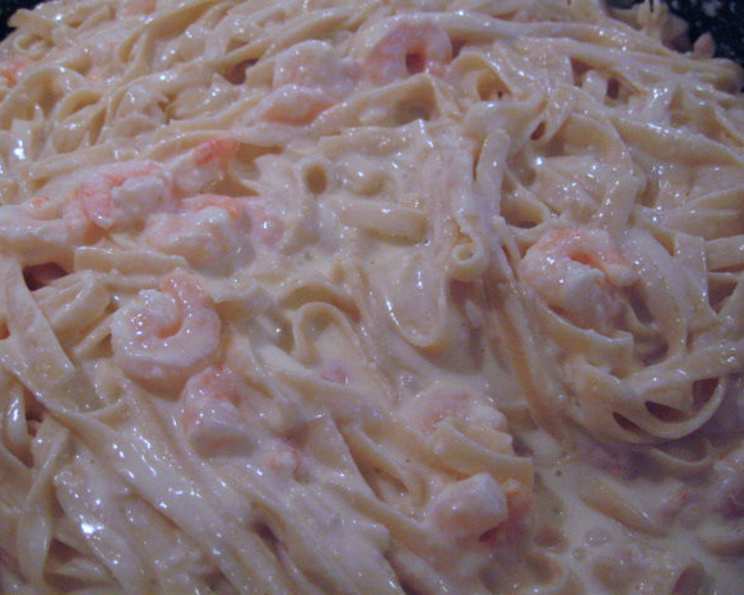
To Die for Fettuccine Alfredo
The first time I had truly exceptional Fettuccine Alfredo was in a tiny, unassuming trattoria tucked away on a Roman side street. The air buzzed with the clatter of cutlery and the murmur of Italian conversations. But it wasn’t the atmosphere that captivated me; it was the simplicity and sheer perfection of the dish. Each strand of fettuccine was coated in a velvety, intensely flavorful sauce that was both decadent and comforting. This recipe captures that unforgettable experience, a little piece of Rome right in your kitchen.
Recipe Overview
- Prep Time: 5 minutes
- Cook Time: 15 minutes
- Total Time: 20 minutes
- Servings: 6
- Yield: Generous servings for 6
- Dietary Type: Not Gluten-Free
Ingredients
- 1 1⁄2 lbs fettuccine pasta
- 1 cup butter
- 1 1⁄2 cups heavy cream
- Salt and pepper to taste
- 1 dash garlic powder
- 3⁄4 cup grated Romano cheese
- 1⁄2 cup grated Parmesan cheese
Equipment Needed
- Large pot
- Large saucepan
- Colander
- Tongs or pasta server
Instructions
- Begin by bringing a large pot of slightly salted water to a rolling boil. This is crucial for properly cooking the fettuccine pasta. The salt enhances the flavor of the pasta itself.
- Add the fettuccine to the boiling water and cook for 8 to 10 minutes, or until al dente. “Al dente” means “to the tooth” in Italian; the pasta should be firm but not crunchy. Drain the pasta in a colander, reserving about 1 cup of the pasta water. This starchy water can be used to adjust the consistency of the sauce later.
- While the pasta is cooking, prepare the Alfredo sauce. In a large saucepan (large enough to eventually accommodate all the pasta), melt the butter into the heavy cream over low heat. It’s important to use low heat to prevent the cream from scorching or separating.
- Season the sauce with salt, pepper, and a dash of garlic powder. Be mindful of the salt content, as the cheeses will also contribute to the overall saltiness.
- Increase the heat to medium. Stir in the grated Romano cheese and grated Parmesan cheese until they are completely melted and the sauce is smooth and thickened. This process requires constant stirring to prevent the cheese from clumping. The sauce should coat the back of a spoon.
- Add the drained fettuccine to the saucepan with the sauce.
- Using tongs or a pasta server, toss the pasta with the sauce, ensuring that every strand is thoroughly coated. The key to a great Alfredo is achieving a creamy, even coating.
- If the sauce is too thick, gradually add some of the reserved pasta water, one tablespoon at a time, until the desired consistency is reached. The pasta water helps to emulsify the sauce and create a silky texture.
- Serve the Fettuccine Alfredo immediately. The sauce will thicken as it cools, so it’s best enjoyed hot.
Expert Tips & Tricks
- Cheese Quality Matters: Use freshly grated Romano and Parmesan cheeses. Pre-shredded cheeses often contain cellulose, which can prevent them from melting smoothly.
- Butter is Best: While some recipes call for olive oil, butter is essential for the rich, decadent flavor of a classic Alfredo sauce. Use a high-quality unsalted butter.
- Warm Plates: Serving the Alfredo on warm plates will help to keep the sauce from cooling down too quickly.
- Don’t Overcook the Pasta: Overcooked pasta will become mushy and won’t hold the sauce as well. Aim for al dente.
- Adjust the Seasoning: Taste the sauce and adjust the seasoning as needed. You may need more salt, pepper, or garlic powder depending on your preference.
- Add a Pinch of Nutmeg: For a hint of warmth and complexity, add a tiny pinch of freshly grated nutmeg to the sauce.
- Reviving the Sauce: If the sauce thickens too much while serving, add a splash of cream or pasta water and gently reheat it.
Serving & Storage Suggestions
Serve the Fettuccine Alfredo immediately while it’s hot and the sauce is creamy. Garnish with a sprinkle of fresh Parmesan cheese and a grind of black pepper. It pairs well with grilled chicken, shrimp, or vegetables.
Leftovers can be stored in an airtight container in the refrigerator for up to 2 days. To reheat, gently warm the Alfredo over low heat on the stovetop, adding a splash of cream or milk to loosen the sauce. Microwaving is not recommended as it can cause the sauce to separate. Freezing is also not recommended due to changes in texture and potential separation of the sauce components.
Nutritional Information
| Nutrient | Amount per Serving | % Daily Value |
|---|---|---|
| Calories | 881.3 kcal | N/A |
| Calories from Fat | 545 g | 62% |
| Total Fat | 60.6 g | 93% |
| Saturated Fat | 36.8 g | 183% |
| Cholesterol | 264.2 mg | 88% |
| Sodium | 577.6 mg | 24% |
| Total Carbohydrate | 64.7 g | 21% |
| Dietary Fiber | 0 g | 0% |
| Sugars | 0.2 g | 0% |
| Protein | 21 g | 42% |
Variations & Substitutions
- Gluten-Free Alfredo: Use gluten-free fettuccine pasta. The sauce itself is naturally gluten-free.
- Lighter Alfredo: Substitute half-and-half for some of the heavy cream to reduce the fat content. Be aware that this will result in a slightly less rich sauce.
- Vegetarian Alfredo: Add sautéed mushrooms, spinach, or broccoli to the pasta for a vegetarian meal.
- Spicy Alfredo: Add a pinch of red pepper flakes to the sauce for a little heat.
- Lemon Alfredo: Add the zest and juice of one lemon to the sauce for a bright, citrusy flavor.
- Chicken Alfredo: Add grilled or pan-fried chicken breast cut into strips.
- Seafood Alfredo: Add shrimp, scallops, or lobster for a decadent seafood Alfredo.
FAQs (Frequently Asked Questions)
Q: Can I use milk instead of heavy cream?
A: While you can, the sauce will be much thinner and less rich. Heavy cream is essential for the classic Alfredo texture and flavor.
Q: Can I make this recipe ahead of time?
A: The sauce is best made fresh. If you must make it ahead, store it in the refrigerator and reheat gently over low heat, adding a splash of cream or pasta water to loosen it. The pasta should always be cooked fresh.
Q: What is Romano cheese?
A: Romano is a hard, salty Italian cheese made from sheep’s milk. It has a stronger flavor than Parmesan and adds a distinct sharpness to the sauce.
Q: My Alfredo sauce is clumpy. What did I do wrong?
A: The most common cause of clumpy Alfredo sauce is overheating the cheese. Cook the sauce over medium heat and stir constantly to prevent the cheese from clumping. Using pre-shredded cheese can also contribute to clumping.
Q: Can I add other herbs to the sauce?
A: Yes! Fresh parsley, basil, or chives can be added to the sauce for extra flavor. Add them at the very end of cooking.
Final Thoughts
This Fettuccine Alfredo is a dish that’s greater than the sum of its parts. It’s a testament to the power of simple, high-quality ingredients and careful technique. Don’t be intimidated by its richness; every bite is an experience. I urge you to try this recipe and experience the magic of a truly exceptional Fettuccine Alfredo. Share your creations and modifications, and let’s celebrate the joy of delicious, homemade pasta together. Buon appetito!