
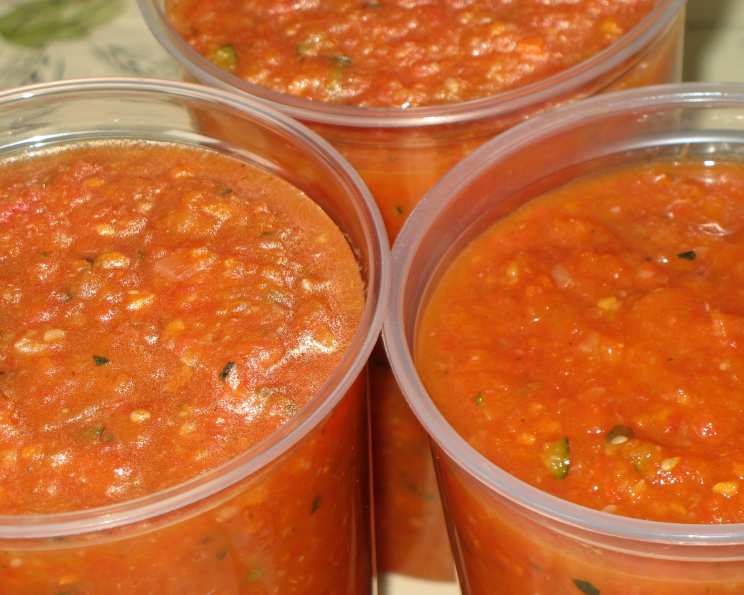
The Ultimate Tomato and Veggie Pasta Sauce: A Symphony of Flavors
I remember being a young, aspiring chef, intimidated by the idea of creating a truly exceptional pasta sauce. I spent hours poring over cookbooks, trying to decipher the secrets behind those rich, flavorful sauces I’d tasted in Italy. It wasn’t until I embraced the simplicity of fresh, seasonal vegetables, roasted to sweet perfection, that I finally cracked the code. This recipe, born from a desire to sneak extra vegetables into my kids’ diets, captures that same spirit of fresh, vibrant flavors, and it has become a staple in my kitchen. The aroma alone, a blend of roasted sweetness and savory herbs, transports me back to sunny Italian afternoons.
Recipe Overview
- Prep Time: 20 minutes
- Cook Time: 1 hour 5 minutes
- Total Time: 1 hour 25 minutes
- Servings: 6-8
- Yield: About 8 cups of sauce
- Dietary Type: Vegan, Gluten-Free, Dairy-Free
Ingredients
- 600g ripe tomatoes
- 1 small butternut pumpkin, peeled and chopped
- Olive oil
- 500ml stock, any is fine (vegetable for vegan)
- 1 small onion, chopped
- 2 celery ribs, chopped
- 2 carrots, chopped
- 1 zucchini, chopped
- 2 (400g) cans diced tomatoes
- Fresh parsley, chopped (optional)
- Fresh basil, chopped (optional)
- Salt and pepper, to taste
Equipment Needed
- Large roasting pan
- Large pot or Dutch oven
- Blender or food processor
- Stick blender (optional)
- Sieve (optional)
Instructions
- Preheat your oven to 220°C (425°F).
- Prepare the roasting vegetables: In a large roasting pan, combine the ripe tomatoes and the chopped butternut pumpkin. Drizzle generously with olive oil, ensuring all pieces are lightly coated.
- Roast the vegetables: Place the roasting pan in the preheated oven and roast for 40 minutes, or until the tomatoes and pumpkin are very soft and slightly caramelized. The roasting process intensifies their natural sweetness, creating a richer, more complex flavor.
- Blend the roasted vegetables: Once roasted, remove the pan from the oven and allow the vegetables to cool slightly. Transfer the roasted tomatoes and pumpkin to a blender or food processor. Add 1 cup (250ml) of stock to the blender. Blend until completely smooth.
- Strain the sauce (optional): For a smoother sauce, especially if using less ripe tomatoes, pass the blended mixture through a sieve to remove any seeds and skins. This step is optional, but it results in a silky-smooth texture. Discard the solids left in the sieve.
- Sauté the remaining vegetables: While the roasted vegetables are in the oven, prepare the base of the sauce. In a large pot or Dutch oven, heat a splash of olive oil over medium heat. Add the chopped onion, celery, carrots, and zucchini. Cook for 5-10 minutes, stirring occasionally, until the vegetables are softened but not browned. This process, known as sweating the vegetables, releases their flavors and creates a flavorful foundation for the sauce.
- Add the canned tomatoes and stock: Add the 2 cans of diced tomatoes and the remaining 1 cup (250ml) of stock to the pot with the sautéed vegetables. Stir well to combine.
- Simmer the sauce: Bring the sauce to a simmer, then reduce the heat to low. Cover the pot and simmer for 25 minutes, stirring occasionally, to allow the flavors to meld together and the sauce to thicken slightly.
- Combine and blend: After simmering, pour the blended roasted tomato and pumpkin mixture into the pot with the simmering sauce. Stir well to combine.
- Blend until smooth: Using a stick blender, blend the entire mixture directly in the pot until completely smooth. Alternatively, carefully transfer the sauce to a blender or food processor (in batches, if necessary) and blend until smooth. Return the blended sauce to the pot.
- Season and finish: Season the sauce to taste with salt and pepper. If desired, stir in the chopped fresh parsley and basil.
- Serve: Serve the tomato and vegetable pasta sauce over your favorite pasta.
Expert Tips & Tricks
- Roasting is key: Don’t skip the roasting step! It brings out the natural sweetness of the tomatoes and pumpkin, resulting in a much richer, more flavorful sauce.
- Adjust the sweetness: If the sauce is too acidic, add a pinch of sugar or a drizzle of balsamic vinegar to balance the flavors.
- Spice it up: For a spicy kick, add a pinch of red pepper flakes to the sauce while it’s simmering.
- Make it ahead: This sauce can be made ahead of time and stored in the refrigerator for up to 3 days or frozen for up to 3 months.
- Thickening the Sauce: If the sauce is too thin after simmering, continue simmering uncovered for a few more minutes to allow excess moisture to evaporate.
- Adding Herbs: While the recipe suggests parsley and basil, feel free to experiment with other herbs like oregano, thyme, or rosemary. Add dried herbs at the beginning of the simmering process and fresh herbs at the end for the best flavor.
- Veggie Variety: Feel free to substitute other vegetables based on what you have on hand or what’s in season. Bell peppers, eggplant, or mushrooms would all be delicious additions.
Serving & Storage Suggestions
This tomato and vegetable pasta sauce is delicious served over any type of pasta, from spaghetti and penne to ravioli and tortellini. It’s also great as a base for pizza, lasagna, or other Italian dishes.
- Serving: Garnish with fresh basil leaves and a sprinkle of Parmesan cheese (if not vegan) for an extra touch of flavor.
- Storage: Store leftover sauce in an airtight container in the refrigerator for up to 3 days.
- Freezing: For longer storage, freeze the sauce in freezer-safe containers or zip-top bags for up to 3 months. Thaw completely in the refrigerator before reheating.
- Reheating: Reheat the sauce in a saucepan over medium heat, stirring occasionally, until heated through. You may need to add a splash of water or stock if the sauce has thickened too much during storage.
Nutritional Information
| Nutrient | Amount per Serving | % Daily Value |
|---|---|---|
| Calories | 150 kcal | 8% |
| Total Fat | 5g | 6% |
| Saturated Fat | 1g | 5% |
| Cholesterol | 0mg | 0% |
| Sodium | 400mg | 17% |
| Total Carbohydrate | 25g | 9% |
| Dietary Fiber | 5g | 18% |
| Sugars | 12g | – |
| Protein | 4g | 8% |
| Note: Nutritional information is an estimate and may vary based on specific ingredients and portion sizes. |
Variations & Substitutions
- Vegan: This recipe is naturally vegan. Just ensure you use vegetable stock.
- Gluten-Free: Serve the sauce over gluten-free pasta or use it as a base for pizza with a gluten-free crust.
- Spicy: Add a pinch of red pepper flakes or a chopped chili pepper to the sauce while it’s simmering.
- Creamy: Stir in a dollop of cashew cream or coconut cream for a richer, creamier sauce.
- Seasonal: Adapt the vegetables based on what’s in season. In the fall, try adding roasted sweet potatoes or acorn squash. In the summer, try adding roasted bell peppers or eggplant.
- Herb Variations: Add fresh oregano, rosemary, or thyme for a different flavor profile.
- Wine Addition: Add a splash of red wine after sauteing the vegetables for a deeper, richer flavor. Let it reduce for a few minutes before adding the canned tomatoes and stock.
FAQs (Frequently Asked Questions)
Q: Can I use fresh herbs instead of dried herbs?
A: Absolutely! Fresh herbs add a vibrant flavor. Add them towards the end of the cooking process to preserve their freshness.
Q: Can I make this sauce in a slow cooker?
A: Yes, you can. Roast the tomatoes and pumpkin as directed, then transfer all ingredients to a slow cooker. Cook on low for 6-8 hours, then blend until smooth.
Q: How do I prevent the sauce from splattering while simmering?
A: Use a splatter screen or partially cover the pot while simmering.
Q: Can I use canned pumpkin puree instead of roasting a fresh pumpkin?
A: Yes, you can, but the flavor won’t be as deep or rich. If using canned, add it after the other vegetables have simmered.
Q: How do I know when the sauce is done simmering?
A: The sauce is done when it has thickened to your desired consistency and the flavors have melded together. Taste and adjust seasoning as needed.
Final Thoughts
This tomato and vegetable pasta sauce is more than just a recipe; it’s an invitation to create a delicious, healthy meal that celebrates the flavors of fresh, seasonal vegetables. Whether you’re a seasoned chef or a beginner cook, I encourage you to try this recipe and make it your own. Don’t be afraid to experiment with different vegetables, herbs, and spices to create a sauce that reflects your personal taste. Share your creations with friends and family, and most importantly, enjoy the process of cooking!