
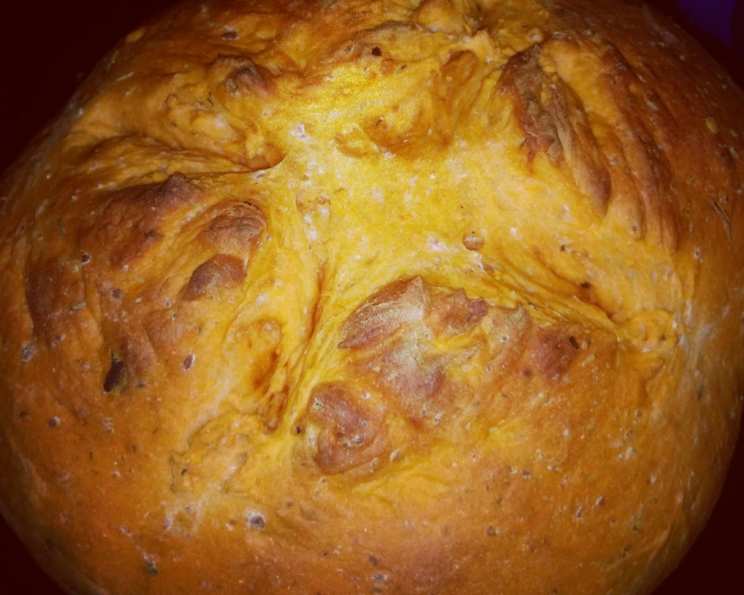
Tomato Basil Bread – By Hand or Bread Machine
The aroma of freshly baked bread has always been a siren song for me. My grandmother, a master baker, had a knack for coaxing the most incredible flavors from simple ingredients. I remember her small kitchen, filled with the warmth of the oven and the comforting scent of rising dough. One of my fondest memories is watching her knead dough for hours, her hands moving with a practiced grace. This Tomato Basil Bread evokes those cherished moments, reminding me of her unwavering love and the simple pleasures of homemade goodness.
Recipe Overview
- Prep Time: 20 minutes
- Rise Time (1st): 1 hour
- Rise Time (2nd): 1 hour
- Cook Time: 35-40 minutes
- Total Time: 3 hours 35-40 minutes
- Yields: 1 Loaf
- Serves: 16
- Dietary Type: Vegetarian
Ingredients
- 1 (1/4 ounce) package active dry yeast
- 3/4 cup warm water (110 to 115°F)
- 1/4 cup fresh basil, minced (substitute with 2 tablespoons dried)
- 1/4 cup Parmesan cheese, grated
- 3 tablespoons tomato paste
- 1 tablespoon sugar
- 1 tablespoon olive oil
- 1 teaspoon salt
- 1/8 – 1/4 teaspoon crushed red pepper flakes
- 2 1/2 – 2 3/4 cups bread flour
Equipment Needed
- Large mixing bowl
- Measuring cups and spoons
- Greased bowl
- Greased baking sheet
- Sharp knife
- Wire rack
Instructions
- In a large mixing bowl, dissolve the yeast in the warm water. Let it stand for 5-10 minutes, until foamy. This step ensures the yeast is active and will properly leaven the bread.
- To the yeast mixture, stir in the minced fresh basil, grated Parmesan cheese, tomato paste, sugar, olive oil, salt, and crushed red pepper flakes. The red pepper flakes add a subtle warmth, but you can adjust the amount to your preference, or omit them entirely for a milder flavor.
- Gradually add 2 cups of the bread flour to the wet ingredients and mix until combined.
- Begin adding the remaining flour, a little at a time, until a stiff dough forms. You may not need all of the flour, depending on the humidity in your kitchen and the moisture content of your flour. The dough should be slightly sticky but manageable.
- Turn the dough out onto a lightly floured surface.
- Knead the dough until it becomes smooth and elastic, about 3-5 minutes. Proper kneading develops the gluten, which gives the bread its chewy texture. If using a stand mixer with a dough hook, knead on medium speed for about 5 minutes.
- Place the kneaded dough in a greased bowl, turning it once to coat the top with oil. This prevents the dough from drying out as it rises.
- Cover the bowl with plastic wrap or a clean kitchen towel and let it rise in a warm place until doubled in size, about 1 hour. The rising time will vary depending on the temperature of your environment. A warm, draft-free spot is ideal.
- Once the dough has doubled, punch it down to release the air.
- Knead the dough again for 1 minute. This helps to redistribute the yeast and even out the texture of the dough.
- Shape the dough into a round loaf.
- Place the shaped loaf on a greased baking sheet.
- Cover the loaf and let it rise again until doubled in size, about 1 hour.
- Preheat your oven to 375°F (190°C).
- With a sharp knife or lame, cut a large “X” in the top of the loaf. This allows steam to escape during baking and prevents the bread from cracking unevenly.
- Bake in the preheated oven for 35-40 minutes, or until the loaf is golden brown and sounds hollow when tapped on the bottom. If the top of the bread is browning too quickly, you can loosely tent it with foil during the last 10-15 minutes of baking.
- Remove the baked bread from the baking sheet and place it on a wire rack to cool completely before slicing and serving.
Bread Machine Instructions
- Follow your bread machine’s instructions for adding ingredients. Generally, add the wet ingredients first, followed by the dry ingredients, with the yeast last.
- Use the same ingredient quantities as listed above.
- Select the “dough” cycle on your bread machine.
- Once the dough cycle is complete, remove the dough from the bread machine.
- Punch the dough down and shape it into a round loaf.
- Place the shaped loaf on a greased baking sheet.
- Cover the loaf and let it rise until doubled in size, about 1 hour.
- Preheat your oven to 375°F (190°C).
- With a sharp knife or lame, cut a large “X” in the top of the loaf.
- Bake in the preheated oven for 35-40 minutes, or until the loaf is golden brown and sounds hollow when tapped on the bottom.
- Remove the baked bread from the baking sheet and place it on a wire rack to cool completely before slicing and serving.
Expert Tips & Tricks
- For a richer flavor, try using roasted garlic in the dough. Simply roast a head of garlic, mash the cloves, and add them to the dough along with the other ingredients.
- If you want a softer crust, brush the top of the loaf with melted butter immediately after baking.
- To get a crispy crust, place a pan of hot water on the bottom rack of the oven during baking. The steam will help to create a wonderfully crusty loaf.
- If you don’t have bread flour, you can substitute all-purpose flour, but the bread may not have quite the same chewy texture.
- Ensure your water is at the correct temperature (110-115°F) to activate the yeast properly. Too hot, and it will kill the yeast; too cold, and it won’t activate. A thermometer is very helpful here.
Serving & Storage Suggestions
This Tomato Basil Bread is delicious served warm with a drizzle of olive oil or a pat of butter. It’s also fantastic for making sandwiches, toast, or bruschetta. It pairs wonderfully with Italian soups, salads, and pasta dishes.
Store leftover bread in an airtight container at room temperature for up to 2 days, or in the refrigerator for up to 5 days. For longer storage, wrap the bread tightly in plastic wrap and freeze it for up to 3 months. To reheat, thaw the bread completely and then warm it in a 350°F (175°C) oven for 10-15 minutes, or until heated through.
Nutritional Information
| Nutrient | Amount per Serving | % Daily Value |
|---|---|---|
| Calories | 92.4 kcal | N/A |
| Calories from Fat | 13 g | 15% |
| Total Fat | 1.5 g | 2% |
| Saturated Fat | 0.4 g | 2% |
| Cholesterol | 1.4 mg | 0% |
| Sodium | 194 mg | 8% |
| Total Carbohydrate | 16.5 g | 5% |
| Dietary Fiber | 0.8 g | 3% |
| Sugars | 1.2 g | N/A |
| Protein | 3 g | 5% |
Note: Nutritional information is an estimate and may vary based on specific ingredients and preparation methods.
Variations & Substitutions
- Vegan Tomato Basil Bread: Substitute the Parmesan cheese with a vegan Parmesan cheese alternative or omit it entirely. Ensure the yeast is vegan-friendly (some brands may contain animal-derived ingredients).
- Gluten-Free Tomato Basil Bread: Use a gluten-free bread flour blend and follow the recipe instructions. You may need to add a binding agent like xanthan gum to improve the texture.
- Sun-Dried Tomato Basil Bread: Add 1/2 cup of chopped sun-dried tomatoes (oil-packed, drained) to the dough along with the other ingredients.
- Herb Variations: Experiment with different herbs such as oregano, thyme, or rosemary in addition to or in place of the basil.
- Spicy Tomato Basil Bread: Increase the amount of crushed red pepper flakes to 1/2 teaspoon or add a pinch of cayenne pepper for extra heat.
FAQs (Frequently Asked Questions)
Q: Can I use dried basil instead of fresh basil?
A: Yes, you can substitute fresh basil with 2 tablespoons of dried basil. However, fresh basil provides a more vibrant flavor.
Q: My dough isn’t rising. What could be the problem?
A: The most common cause is inactive yeast. Make sure your water is the correct temperature (110-115°F) and that your yeast isn’t expired. Also, ensure the dough is in a warm, draft-free place.
Q: Can I freeze the dough instead of baking it right away?
A: Yes, you can freeze the dough after the first rise. Punch it down, shape it into a loaf, wrap it tightly in plastic wrap, and freeze for up to 3 months. Thaw completely in the refrigerator before letting it rise for the second time and baking.
Q: How do I know when the bread is done baking?
A: The bread should be golden brown and sound hollow when tapped on the bottom. You can also use a thermometer to check the internal temperature, which should be around 200-210°F (93-99°C).
Q: Can I make this recipe with whole wheat flour?
A: You can substitute up to half of the bread flour with whole wheat flour. Using all whole wheat flour will result in a denser loaf.
Final Thoughts
I sincerely hope you’ll give this Tomato Basil Bread recipe a try. Whether you choose to knead it by hand, feeling the dough come alive under your fingertips, or let your bread machine do the work, I promise the result will be a loaf brimming with flavor and comfort. Share it with friends and family, savor each bite, and let the aroma fill your kitchen with warmth. Bon appétit!