
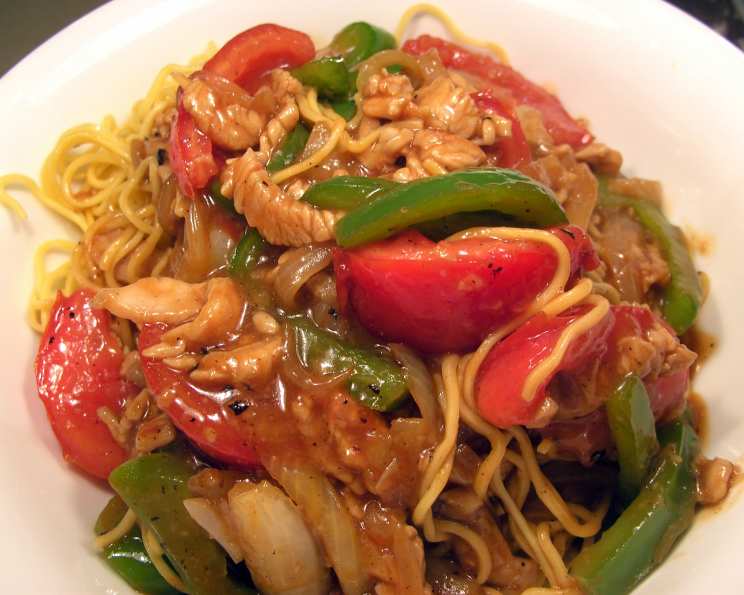
Tomato Beef Chow Mein: A Taste of Childhood Summers
Every year, like clockwork, as the summer sun ripened the tomatoes to their peak, my father would announce a trip. Not just any trip, but a pilgrimage to San Francisco’s Chinatown, specifically for one thing: Tomato Beef Chow Mein. It wasn’t on any menu year-round, only appearing when the tomatoes were at their absolute best. The vibrant, tangy sweetness of those perfectly ripe tomatoes mingling with the savory beef and crispy noodles is a flavor etched into my childhood, a culinary memory I still chase every summer.
Recipe Overview
- Prep Time: 20 minutes
- Cook Time: 20 minutes
- Total Time: 40 minutes
- Servings: 2-4
- Yield: Varies by portion size
- Dietary Type: Not specified (can be modified)
Ingredients
Marinade
- 2 tablespoons soy sauce
- 1 tablespoon sugar
- 2 tablespoons ginger, minced
- 1 garlic clove, minced
- 1 tablespoon sherry wine
- 1 tablespoon sesame seed oil
- 2 teaspoons cornstarch
Chow Mein
- ½ lb flank steak, sliced thin against grain
- 1 lb chow mein noodles
- 1 medium onion
- 1 green bell pepper
- 2 medium tomatoes, very ripe and tasty
- 1 tablespoon oil
- frying oil
Sauce
- 1 ½ tablespoons cornstarch
- 1 tablespoon sugar
- 1 tablespoon vinegar
- 2 tablespoons sherry wine
- ½ teaspoon salt
- 2 tablespoons catsup
- 1 cup beef broth
Equipment Needed
- Large Bowl
- Cutting Board
- Knife
- Wok or Large Nonstick Skillet
- Pot for Noodles
- Oven (optional, for keeping noodles warm)
Instructions
- Begin by preparing the beef. Thinly slice the flank steak against the grain into bite-sized pieces.
- In a large bowl, whisk together all the marinade ingredients: soy sauce, sugar, minced ginger, minced garlic, sherry wine, sesame seed oil, and cornstarch.
- Add the sliced beef to the marinade, ensuring all pieces are well coated. Set aside to marinate.
- Next, prepare the sauce. In a separate bowl, combine the cornstarch, sugar, vinegar, sherry wine, salt, catsup, and beef broth. Whisk until smooth and set aside.
- Cook the chow mein noodles according to package directions, usually boiling them in water for 1-3 minutes. They cook quickly, so keep a close watch.
- Immediately rinse the cooked noodles thoroughly with cold water to stop the cooking process and prevent them from sticking together. Drain the noodles well.
- Toss the drained noodles with 1 tablespoon of oil to prevent them from clumping.
- Heat a large nonstick skillet over medium heat. Glaze the pan with a small amount of oil.
- Working in batches (about ¼ of the noodles at a time), pan-fry the noodles until they are slightly crispy and golden brown.
- Place the pan-fried noodles in a very low oven (optional) to keep them warm while you prepare the rest of the dish. This helps maintain their crispiness.
- Prepare the vegetables. Thinly slice the onion and the green bell pepper. Set aside.
- Cut the tomatoes into ½-inch wide wedges. Be sure to use very ripe and flavorful tomatoes, as they are the star of the dish. Set aside.
- Heat a wok or large skillet over high heat. Add 1 tablespoon of oil, swirl to coat the pan, and add the sliced onions and green bell pepper.
- Stir-fry the onions and peppers for about 2 minutes, until they are slightly softened but still crisp-tender. Remove them from the pan and set aside.
- Drain the marinade from the beef. Discard the marinade.
- Return the wok or skillet to high heat. Add another 1 tablespoon of oil, swirl to coat the pan, and add the marinated beef.
- Stir-fry the beef for about 1 minute, until it is browned but not fully cooked.
- Add the tomato wedges to the wok with the beef and gently stir-fry them together.
- Return the stir-fried onions and peppers to the pan with the beef and tomatoes.
- Pour the prepared sauce over the mixture in the wok.
- Cook, stirring constantly, until the sauce comes to a boil and thickens. The sauce should be thick enough to glaze the noodles without making them soggy.
- Pour the beef and vegetable mixture over the pan-fried noodles.
- Serve immediately and enjoy!
Expert Tips & Tricks
- Beef Tenderness: Slicing the flank steak thinly against the grain is crucial for tenderness. If you have time, marinating the beef for longer (up to a few hours) will also enhance its flavor and tenderness.
- Noodle Crispiness: Pan-frying the noodles in batches ensures they get crispy. Avoid overcrowding the pan, as this will steam the noodles instead of frying them.
- Tomato Selection: The quality of the tomatoes greatly impacts the flavor of this dish. Use the ripest, most flavorful tomatoes you can find, preferably during peak tomato season. Roma or vine-ripened tomatoes work well.
- Sauce Consistency: Adjust the amount of cornstarch in the sauce to achieve your desired thickness. If the sauce is too thin, mix a small amount of cornstarch with water and add it to the sauce while it’s simmering.
- Wok Hei: For a more authentic smoky flavor, use a wok over a high-powered burner.
Serving & Storage Suggestions
Serve the Tomato Beef Chow Mein immediately after cooking to enjoy the crispy noodles and vibrant flavors. Garnish with a sprinkle of sesame seeds or chopped scallions for added visual appeal.
Leftovers can be stored in an airtight container in the refrigerator for up to 3 days. To reheat, stir-fry the noodles and sauce in a pan over medium heat until heated through. Note that the noodles may lose some of their crispiness upon reheating. Freezing is not recommended as the noodles will become soggy.
Nutritional Information
| Nutrient | Amount per Serving | % Daily Value |
|---|---|---|
| Calories | 650 kcal | 33% |
| Total Fat | 30g | 46% |
| Saturated Fat | 8g | 40% |
| Cholesterol | 70mg | 23% |
| Sodium | 1200mg | 50% |
| Total Carbohydrate | 70g | 23% |
| Dietary Fiber | 5g | 20% |
| Sugars | 15g | N/A |
| Protein | 30g | 60% |
Nutritional information is an estimate and may vary based on specific ingredients and portion sizes.
Variations & Substitutions
- Vegetarian Option: Substitute the beef with firm tofu or tempeh, cut into bite-sized pieces.
- Gluten-Free: Use gluten-free chow mein noodles and tamari (gluten-free soy sauce).
- Spicy Kick: Add a pinch of red pepper flakes or a drizzle of chili oil to the sauce.
- Extra Vegetables: Add other vegetables such as mushrooms, carrots, or bok choy.
- Protein Variety: Chicken, shrimp, or pork can be used instead of beef. Adjust cooking times accordingly.
FAQs (Frequently Asked Questions)
Q: Can I use canned tomatoes instead of fresh tomatoes?
A: While fresh tomatoes are preferred, you can use canned diced tomatoes or crushed tomatoes in a pinch. Drain them well before adding them to the wok.
Q: How do I prevent the noodles from becoming soggy?
A: Rinsing the noodles with cold water after cooking and tossing them with oil helps prevent them from sticking together and becoming soggy. Pan-frying them until crispy also adds texture and prevents sogginess.
Q: Can I prepare the sauce ahead of time?
A: Yes, the sauce can be prepared ahead of time and stored in the refrigerator for up to 2 days. Whisk it well before using.
Q: What is sherry wine, and can I substitute it?
A: Sherry wine is a fortified wine with a nutty flavor. You can substitute it with dry white wine or rice wine vinegar.
Q: How do I know when the beef is cooked properly?
A: The beef should be browned on the outside and slightly pink on the inside. Avoid overcooking it, as it will become tough.
Final Thoughts
This Tomato Beef Chow Mein recipe is more than just a meal; it’s a trip down memory lane, a taste of summer, and a celebration of fresh, vibrant ingredients. I encourage you to try this recipe and experience the magic of perfectly ripe tomatoes combined with savory beef and crispy noodles. Share your creations and any variations you try – I’d love to hear about your culinary adventures! Pair it with a refreshing glass of iced green tea for a complete and satisfying meal.