
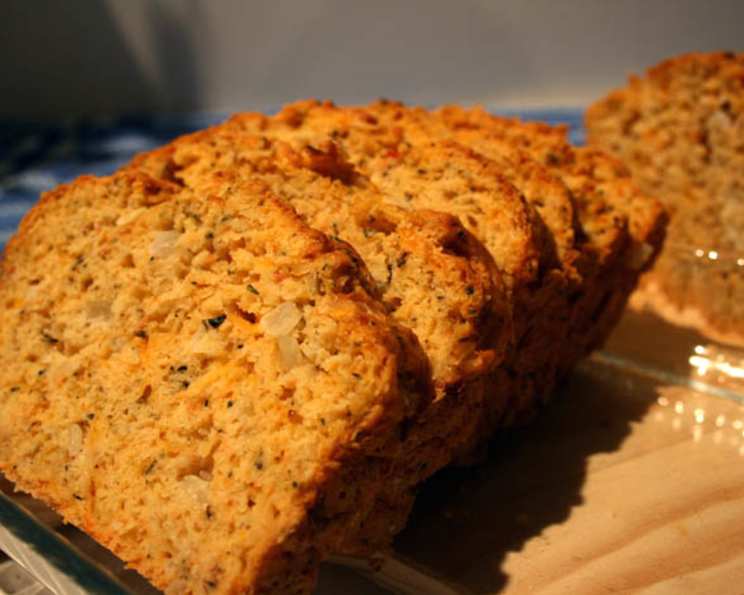
The Rustic Charm of Homemade Tomato Bread
The scent of baking bread, especially one imbued with the sun-drenched aroma of ripe tomatoes, has always transported me back to my grandmother’s kitchen in Tuscany. Nonna Emilia had a way with simple ingredients, transforming them into culinary masterpieces. Her tomato bread, pane al pomodoro, wasn’t just sustenance; it was a symbol of family, warmth, and the vibrant flavors of the Italian countryside. Each bite was a reminder of sun-drenched afternoons spent helping her harvest tomatoes from the garden, the earthy scent clinging to our fingers long after we washed them.
Recipe Overview
- Prep Time: 2 hours 30 minutes
- Cook Time: 40-50 minutes
- Total Time: 3 hours 40 minutes
- Yields: 2 loaves
- Dietary Type: Vegetarian
Ingredients
- 2 cups tomato juice
- ½ cup tomato sauce
- 2 tablespoons olive oil
- 6 ½ cups flour
- 2 packages active dry yeast
- 3 tablespoons brown sugar
- 1 teaspoon salt
- ¾ teaspoon oregano
- ½ teaspoon dry basil
- ¼ teaspoon rosemary
- ¼ teaspoon pepper
- 2 cloves crushed garlic
Equipment Needed
- Large mixing bowl
- Small saucepan
- Measuring cups and spoons
- Two 9×5 inch loaf pans
- Floured surface
- Wire rack
Instructions
-
Begin by lightly greasing a large bowl and two loaf pans with olive oil. This will prevent the dough from sticking and ensure easy removal of the baked bread.
-
In a small saucepan, combine the tomato juice, tomato sauce, and 2 tablespoons of olive oil. Heat the mixture to 120°F (49°C). It’s crucial to use a thermometer to ensure the temperature is accurate; too hot, and you’ll kill the yeast; too cold, and it won’t activate properly.
-
In the large mixing bowl, combine 3 cups of the flour with the active dry yeast, brown sugar, salt, oregano, dry basil, rosemary, pepper, and crushed garlic. This dry mixture forms the foundation of your flavorful loaf.
-
Pour the warmed tomato mixture into the bowl with the dry ingredients and beat for 3 minutes. This incorporates the wet and dry ingredients, starting the gluten development process. A stand mixer with a dough hook can be used for this step, or you can use a handheld mixer.
-
Gradually add the remaining flour until the dough comes together enough to turn it out onto a lightly floured surface. The amount of flour may vary slightly depending on humidity and other factors.
-
Knead the dough for about 5 minutes, until it becomes smooth and elastic. This process develops the gluten, which gives the bread its structure and chewiness. If the dough is too sticky, gradually add a little more flour, a tablespoon at a time, until it is manageable. Be careful not to add too much flour, as this can result in a dry, dense loaf.
-
Place the kneaded dough in the lightly oiled bowl, turning to coat the dough with the oil. This prevents a skin from forming as it rises. Cover the bowl with a clean kitchen towel or plastic wrap and let it rise in a warm place for 1 hour, or until doubled in size.
-
Punch down the risen dough to release the trapped air. Let it rest for 15 minutes. This step helps to redistribute the yeast and relax the gluten, resulting in a more even texture.
-
Shape the dough into two loaves and place them in the prepared loaf pans. Ensure the loaves are evenly shaped for even baking.
-
Cover the pans with a clean kitchen towel or plastic wrap and let the loaves rise again for 45 minutes. This second rise is crucial for achieving a light and airy texture.
-
Preheat your oven to 375°F (190°C).
-
Bake the loaves for 10 minutes at 375°F (190°C), then reduce the heat to 350°F (175°C) and bake for an additional 30-40 minutes. Baking at the higher temperature initially helps the bread rise quickly, while reducing the temperature ensures even baking throughout.
-
The bread is done when the loaf sounds hollow when thumped with your knuckle. You can also use a thermometer; the internal temperature should be around 200-210°F (93-99°C).
-
Immediately tip the loaves out of the pans onto a wire rack to cool completely. Cooling on a wire rack prevents the bottom crust from becoming soggy.
Note: Instead of using individual spices, you can substitute with 1 ¾ teaspoons of Italian seasoning.
Expert Tips & Tricks
- Temperature is Key: Ensure your tomato mixture isn’t too hot when adding it to the yeast, or it will kill the yeast and prevent the bread from rising.
- Kneading Time: Don’t skimp on the kneading. Proper kneading is essential for developing the gluten and achieving the desired texture.
- Flour Adjustment: The amount of flour needed may vary depending on humidity. Add flour gradually until the dough is smooth and elastic but not sticky.
- Oven Calibration: Ovens can vary, so keep an eye on the bread during baking. If it’s browning too quickly, tent it with foil.
- Garlic Infusion: For a more intense garlic flavor, saute the crushed garlic in the olive oil before adding it to the tomato mixture.
Serving & Storage Suggestions
This homemade tomato bread is delicious served warm with a drizzle of olive oil and a sprinkle of sea salt. It’s also fantastic for sandwiches, especially grilled cheese or paninis. Store leftover bread in an airtight container at room temperature for up to 3 days, or in the freezer for up to 2 months. To reheat, wrap the bread in foil and bake at 350°F (175°C) for 10-15 minutes, or until warmed through. Slices can be toasted as well.
Nutritional Information
(Estimates will vary based on specific ingredient brands and portion sizes)
| Nutrient | Amount per Serving | % Daily Value |
|---|---|---|
| Calories | 882 kcal | 44% |
| Total Fat | 9g | 14% |
| Saturated Fat | 1.3g | 7% |
| Cholesterol | 0mg | 0% |
| Sodium | 1079mg | 45% |
| Total Carbohydrate | 174.5g | 58% |
| Dietary Fiber | 7.3g | 29% |
| Sugars | 16.15g | N/A |
| Protein | 23.8g | 48% |
Variations & Substitutions
- Spicy Tomato Bread: Add a pinch of red pepper flakes to the dough for a touch of heat.
- Cheese Infusion: Incorporate shredded Parmesan or mozzarella cheese into the dough for a cheesy twist.
- Sun-Dried Tomato Bread: Replace some of the tomato sauce with chopped sun-dried tomatoes for a more intense tomato flavor.
- Gluten-Free Option: Substitute a gluten-free flour blend for the all-purpose flour, but note that the texture may be slightly different.
- Fresh Herb Variation: You can use fresh oregano, basil, and rosemary. Double the quantity as dry herbs have a stronger flavor.
FAQs (Frequently Asked Questions)
Q: Can I use fresh tomatoes instead of tomato juice and sauce?
A: Yes, you can. Puree about 4 cups of fresh tomatoes and reduce the mixture in a saucepan until you have the equivalent amount of juice and sauce.
Q: Why is my bread dense and not rising properly?
A: The most common reason is that the yeast is old or inactive. Make sure your yeast is fresh and properly proofed. Also, ensure the liquid isn’t too hot, as it can kill the yeast.
Q: Can I make this bread in a bread machine?
A: Yes, you can. Follow the manufacturer’s instructions for your bread machine, but use the ingredients and quantities specified in this recipe.
Q: How can I tell if the bread is fully baked?
A: The best way is to use a thermometer. The internal temperature should be around 200-210°F (93-99°C). You can also tap the bottom of the loaf; it should sound hollow.
Q: Can I freeze this bread?
A: Absolutely! Wrap the cooled bread tightly in plastic wrap and then in foil. Freeze for up to 2 months. Thaw completely before reheating.
Final Thoughts
I hope this recipe inspires you to bake your own loaf of tomato bread and experience the simple joy of homemade goodness. It’s a bread that truly embodies the flavors of the garden and the warmth of a home-cooked meal. Feel free to experiment with the herbs and spices to create your own signature version. And don’t hesitate to share your creations and feedback – I’m always eager to hear how your baking adventures turn out! This tomato bread pairs beautifully with a hearty Italian soup or a simple salad, making it a versatile and delicious addition to any meal. Buon appetito!